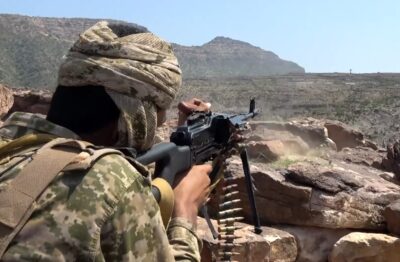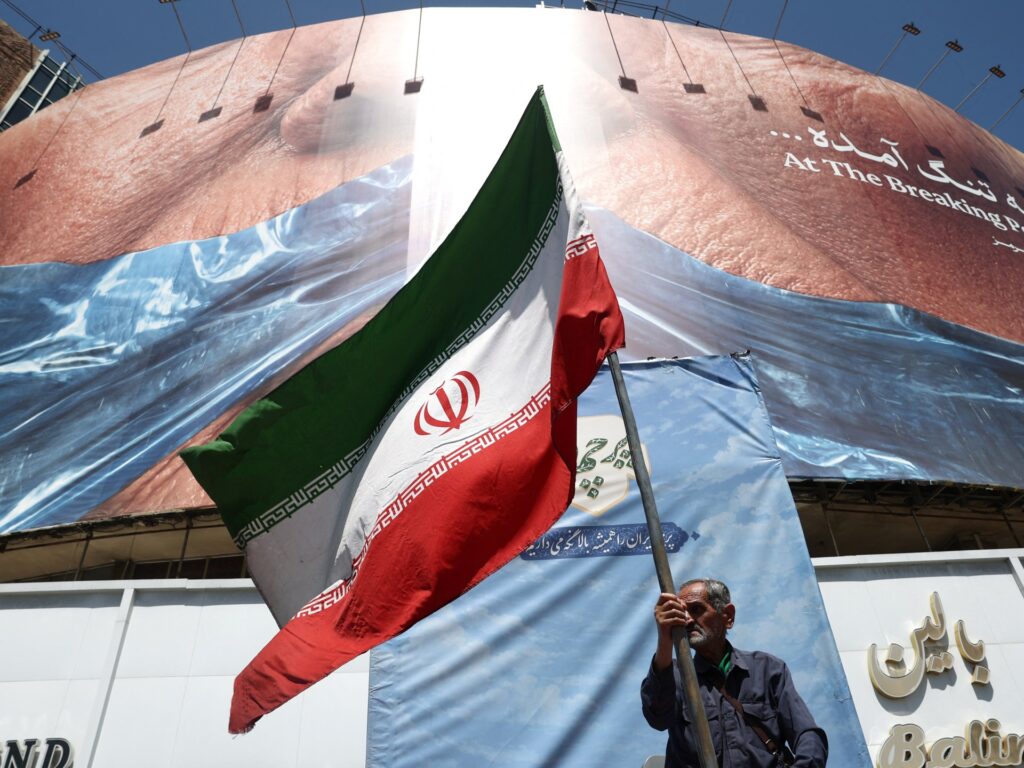
The ongoing conflict in the Middle East has entered a dangerous new phase as Iranian missiles targeted Kuwait and Bahrain in what appears to be a retaliation following recent clashes between US and Iranian forces. The escalation comes amid a backdrop of heightened tensions across the region, particularly as Israel continues its aggressive actions in Lebanon.
Reports from the United Nations have revealed alarming humanitarian consequences, with approximately 1.4 million people in Lebanon now in urgent need of aid due to the intensifying Israeli attacks. This has further complicated the security landscape in the already volatile region.
The missile strikes by Iran mark a significant escalation in the conflict, raising fears of a broader regional war. Kuwait and Bahrain, both key US allies in the Gulf, have condemned the attacks and called for international intervention to prevent further violence. The incidents have prompted emergency meetings within the Gulf Cooperation Council (GCC) to address the security threats posed by Iran’s military actions.
US military forces in the region remain on high alert, with additional deployments and defense measures being implemented to protect American interests and regional allies. The US has condemned the Iranian missile strikes as reckless provocations that undermine regional stability.
Meanwhile, diplomatic efforts to de-escalate the situation have so far failed to yield significant results. Key international players, including the United Nations, the European Union, and regional powers, are urging restraint and calling for an immediate ceasefire.
Humanitarian organizations are demanding safe corridors to deliver aid to the millions affected in Lebanon and other neighboring countries caught in the crossfire. The situation is dire, with shortages of food, water, medical supplies, and shelter becoming critical amid ongoing hostilities.
Analysts warn that the current trajectory of conflict could draw in multiple countries, potentially igniting a wider war in the Middle East. The international community is watching closely, fearing that miscalculations or further military actions could have devastating global implications.
In summary, the missile attacks on Kuwait and Bahrain underscore the precarious state of Middle Eastern geopolitics, where local conflicts rapidly escalate into broader confrontations. The urgent need for humanitarian aid in Lebanon highlights the severe human cost of these ongoing conflicts. Continued international cooperation and diplomacy remain critical to prevent further bloodshed and foster a return to stability in the region.