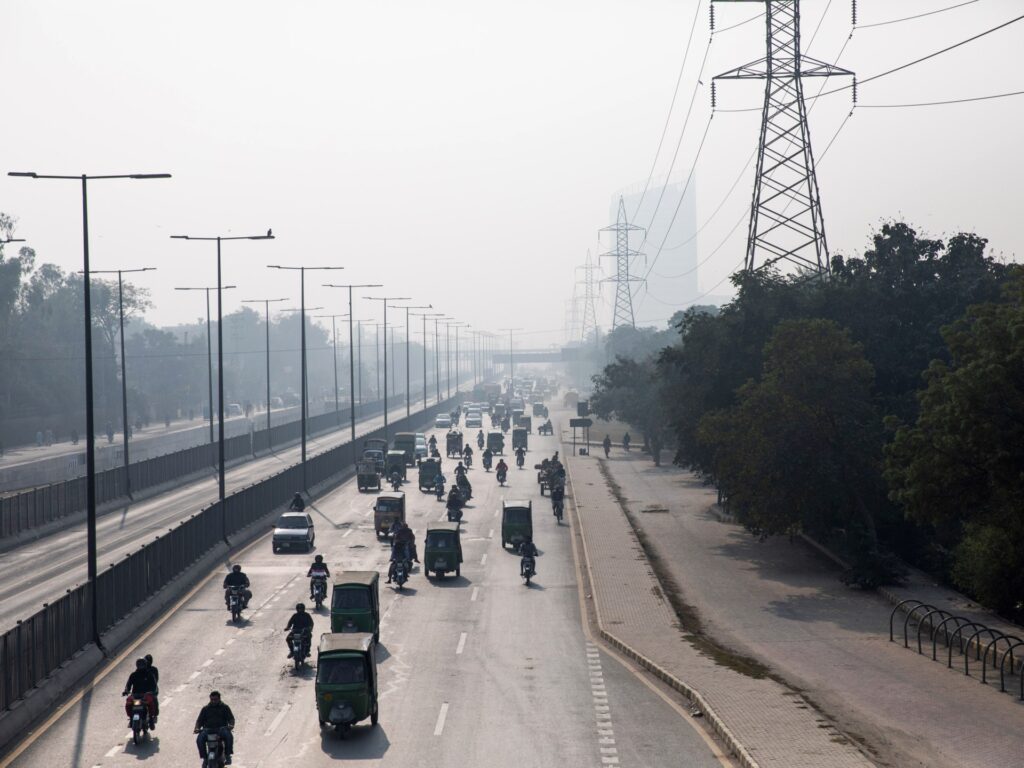
In a sobering revelation for environmental health, Pakistan has been declared the world’s most polluted country in 2025, according to a recent global environmental report. The country’s air quality has significantly deteriorated, with fine particulate matter (PM2.5) levels recorded as the highest worldwide last year. These fine particulates, which are tiny particles or droplets in the air that can penetrate deep into the lungs and even enter the bloodstream, pose severe health risks including respiratory and cardiovascular diseases.
The report highlights that the concentration of these fine particulates in Pakistan’s air has exceeded the World Health Organization’s (WHO) safety guidelines by as much as 13 times. This alarming statistic underscores the urgent need for comprehensive air quality management and pollution control strategies.
Various factors contribute to this severe pollution crisis. Rapid urbanization, increased vehicular emissions, industrial discharges, and widespread use of fossil fuels are primary contributors. Additionally, agricultural practices such as crop burning exacerbate the situation, leading to spikes in particulate levels during certain times of the year.
Environmental experts warn that such elevated levels of pollution not only degrade the environment but also have dire consequences on public health. The increased exposure to PM2.5 can lead to chronic respiratory conditions, heart disease, strokes, and even premature death among vulnerable populations, including children and the elderly.
The Pakistani government faces mounting pressure to implement stronger environmental regulations and promote sustainable practices. This includes expanding green spaces, enhancing emission standards, and investing in renewable energy technologies to reduce reliance on polluting fuels.
International organizations and local NGOs have called for collaborative efforts to address this crisis. Public awareness campaigns aimed at educating citizens about the harmful effects of pollution and encouraging behavioral changes are also seen as critical steps toward mitigating this issue.
In summary, the 2025 report serves as a wake-up call for Pakistan and the international community. Tackling air pollution with immediate and effective actions is crucial not only to safeguard public health but also to ensure sustainable development and protect the environment for future generations.