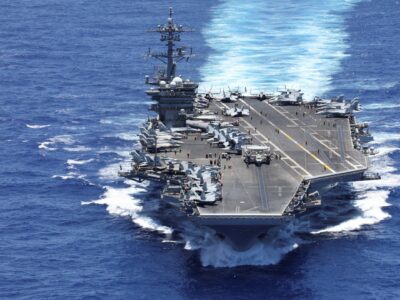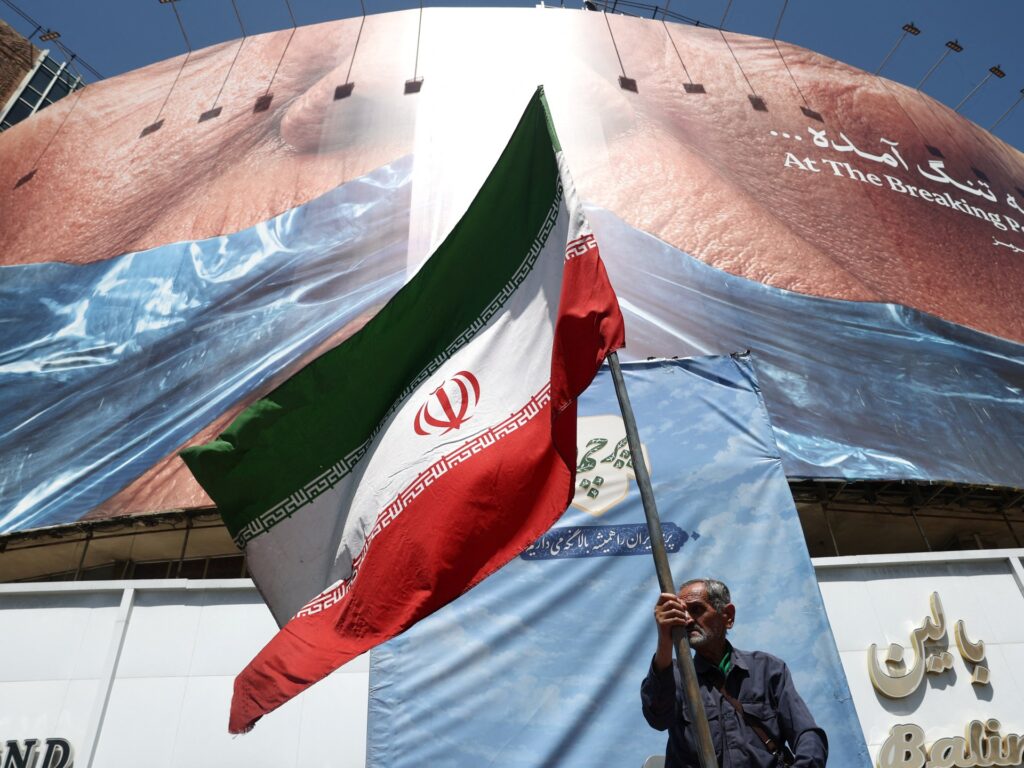
The conflict involving Iran and regional powers has escalated dramatically in recent hours, with the United States conducting strikes on Iranian radar sites. This development marks a significant intensification in the ongoing tensions between the US and Iran.
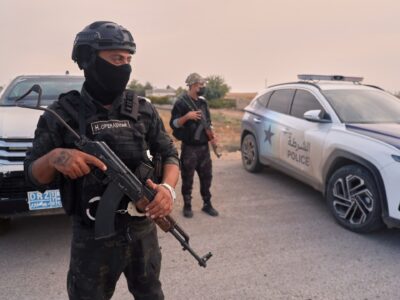
Simultaneously, Kuwait has reportedly come under attack, further destabilizing the Gulf region. The nature and origin of the attack on Kuwait remain under investigation, but it adds to the growing list of security concerns in the Middle East.
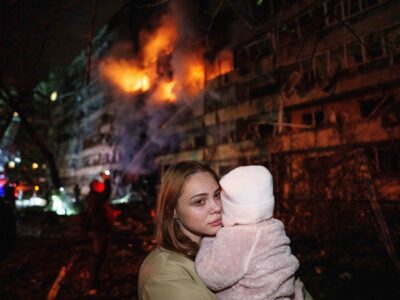
Amidst these military actions, the United Nations has raised alarms about the humanitarian situation in Lebanon. According to UN reports, approximately 1.4 million people in Lebanon are in urgent need of aid. This crisis has been exacerbated by the ongoing attacks by Israel on Lebanese territory.
The regional conflict involves multiple state and non-state actors, leading to a complex security landscape. The US strike on Iranian radar is seen as a strategic move to degrade Iran’s surveillance and early-warning capabilities.
Lebanon, already grappling with economic and social challenges, now faces increasing displacement and scarcity of essential supplies due to hostilities. The UN’s call for immediate humanitarian assistance highlights the severity of the situation on the ground.
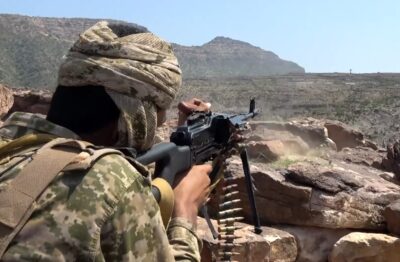
International actors are closely monitoring the developments, with diplomatic efforts underway to prevent further escalation. However, the simultaneous attacks in the Gulf and ongoing Israeli strikes in Lebanon suggest a widening conflict zone.
The situation remains fluid, with the potential for further military engagements. Governments worldwide are urging restraint and calling for peaceful resolutions to avoid a broader regional war.
This crisis underscores the fragile state of security in the Middle East, where historical grievances, political rivalries, and military confrontations continue to fuel instability. The humanitarian toll is mounting, and urgent international coordination is needed to address the needs of millions affected by the conflict.
The world watches anxiously as events unfold, hoping for de-escalation and a return to dialogue and diplomacy in the region.