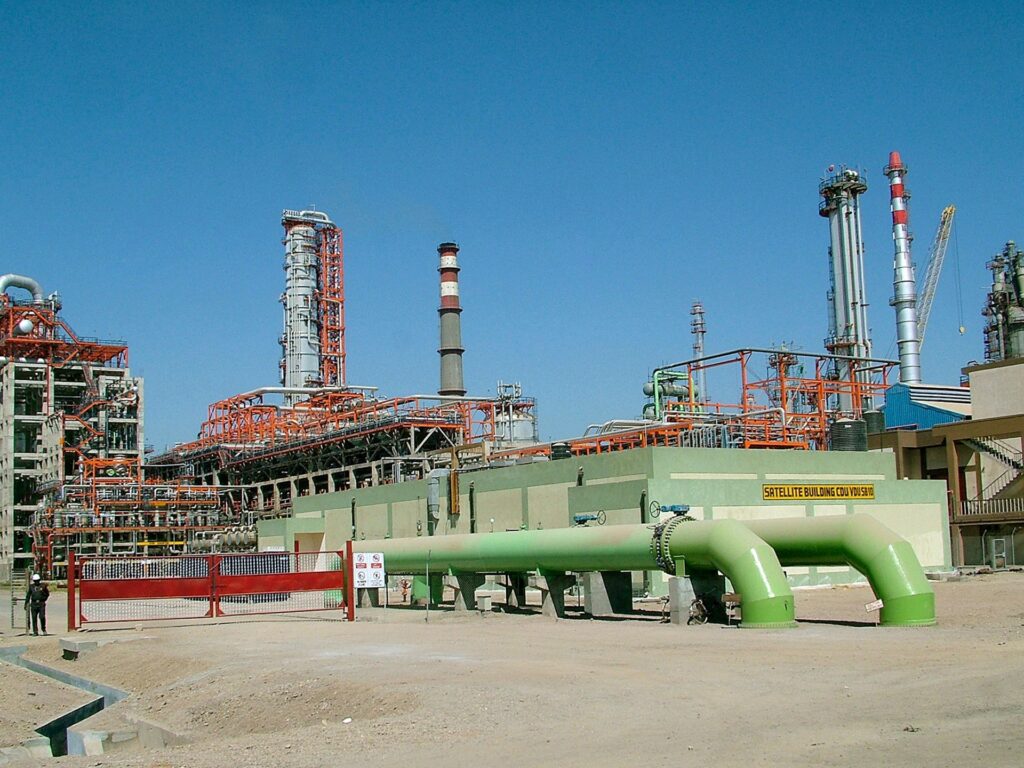
U.S. Senator Marco Rubio’s recent visit to Reliance Industries’ oil refinery in India, the world’s largest, underscores a pivotal moment in international energy and geopolitical strategy. Reliance, a powerhouse in the global oil sector, plays a crucial role in the complex dynamics of energy supply, pricing, and diplomacy amid ongoing geopolitical tensions, particularly relating to Russia and Iran.
Reliance’s refinery complex, located in Jamnagar, Gujarat, is renowned for its immense capacity and technological advancement. It is the largest oil refining hub globally, processing millions of barrels of crude oil daily. Rubio’s visit is not merely symbolic; it reflects the United States’ strategic interest in India as a key player in global energy stability and as a partner in countering energy supplies from adversarial states.
One of the pressing issues is Washington’s campaign to impose sanctions on Russian energy buyers as part of broader efforts to penalize Russia for its actions on the international stage. Reliance is central to these efforts because India is one of the largest buyers of Russian oil, which has allowed Russia to navigate around Western sanctions. By engaging with Reliance and Indian energy sectors, the U.S. aims to encourage reduced dependence on Russian oil, thereby amplifying the sanctions’ impact.
Moreover, the visit ties into concerns about Iran’s role in the regional energy market and global oil prices. The U.S. has been wary of Iran’s attempts to leverage its oil exports amid ongoing conflicts and sanction negotiations. Reliance’s operations and India’s policy decisions directly influence market dynamics, as India is a significant consumer and importer of oil.
Rubio’s engagement with Reliance serves multiple diplomatic functions. It strengthens U.S.-India energy cooperation, signals the importance of Indian companies in global energy security, and advances Washington’s goals of stabilizing oil prices affected by geopolitical conflicts. The refinery visit also allows Rubio to witness firsthand the sophistication of India’s energy infrastructure and discuss pathways for diversifying energy sources and supply chains.
Analysts note that this move is part of a larger U.S. strategy to pivot India closer to Western policies on energy security and sanctions enforcement. It highlights the growing importance of India in the global energy landscape, where emerging economies wield significant influence over oil consumption and trade.
Additionally, the visit may pave the way for future collaborations in clean energy and technological innovations in refining and distribution, as energy practices worldwide evolve toward sustainability.
In summary, Senator Rubio’s visit to Reliance’s oil refinery symbolizes a crucial intersection of diplomacy, energy economics, and international policy. It reflects the U.S.’s nuanced approach to managing global energy markets amidst the complexities of the Russia-Ukraine conflict and tensions with Iran. Through strengthened partnerships with Indian energy leaders like Reliance, Washington aims to foster a more resilient and geopolitically balanced energy future.