The conflict in Yemen has lasted for over a decade, resulting in significant shifts in control across the country. Despite numerous battles and changes in territorial dominance, the Houthi movement continues to hold the capital city, Sanaa. The war has fragmented Yemen into various zones controlled by different factions, with no single party maintaining full control over the entire nation.
Since the conflict began, multiple factions have vied for power, including the internationally recognized government, Houthi rebels, southern separatists, and extremist groups. Over the years, these groups have seized and lost key cities and regions, creating a patchwork of influence that reflects the ongoing instability.
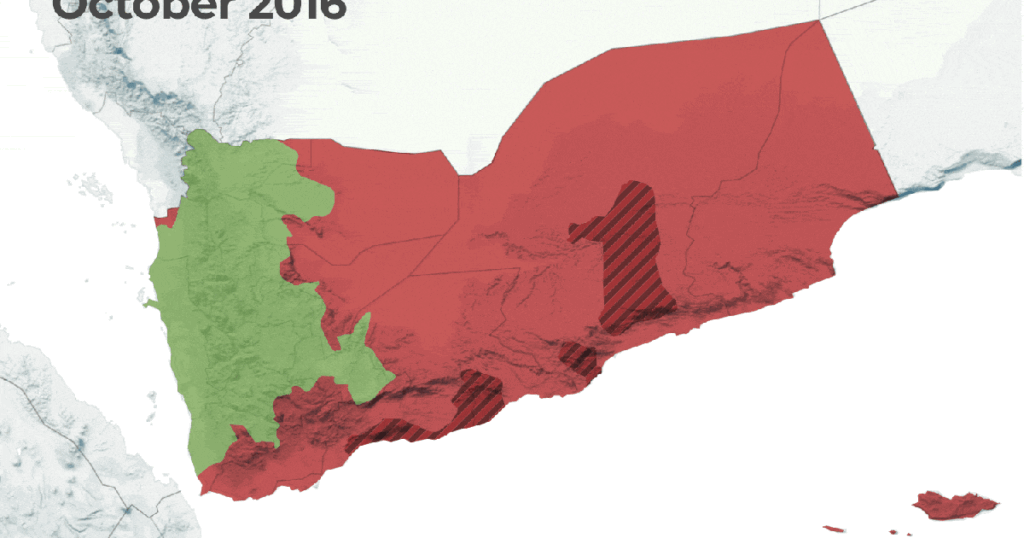
Maps depicting the evolution of front lines over the past ten years provide a visual representation of Yemen’s complex and volatile landscape. Early in the war, the Houthis rapidly expanded their territory, capturing large parts of northern Yemen, including Sanaa. The internationally recognized government, supported by a Saudi-led coalition, has tried to regain control but has faced significant challenges.
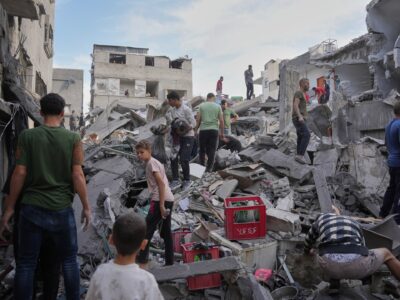
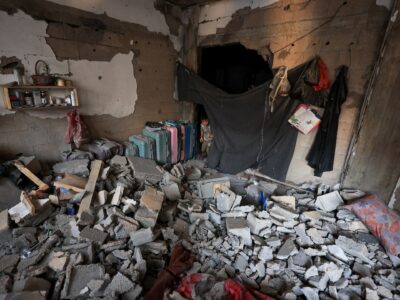
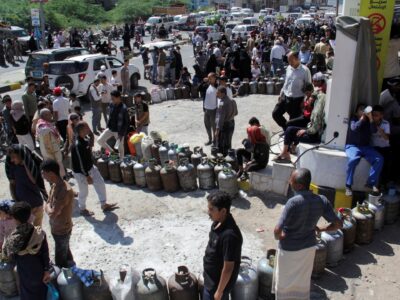
The ongoing conflict has devastated Yemen’s infrastructure, economy, and social fabric, leading to one of the world’s worst humanitarian crises. Millions of Yemenis face hunger, disease, and displacement as fighting continues unabated.
Despite various peace efforts and ceasefires, the war shows no signs of a decisive resolution. The entrenched divisions and external interventions complicate negotiations and prolong suffering.
These control maps illustrate not just military shifts but also the deep fragmentation within Yemen. Different regions see varying degrees of control by armed groups, local tribes, and political factions. Southern Yemen, for instance, has seen increased influence from separatist forces pushing for autonomy.
The persistence of the Houthis in Sanaa is particularly significant. Retaining control of the capital provides them with strategic advantages and legitimacy, complicating the political landscape. Meanwhile, the internationally recognized government operates from Aden and other areas, unable to fully reclaim its former authority.
In conclusion, the past ten years have transformed Yemen’s geography of control into a mosaic of competing powers. The Houthis remain dominant in key areas like Sanaa, but no faction can claim complete control. This fragmented state highlights the ongoing struggle for Yemen’s future and underscores the urgent need for inclusive peace efforts to end the prolonged conflict and alleviate the humanitarian crisis.