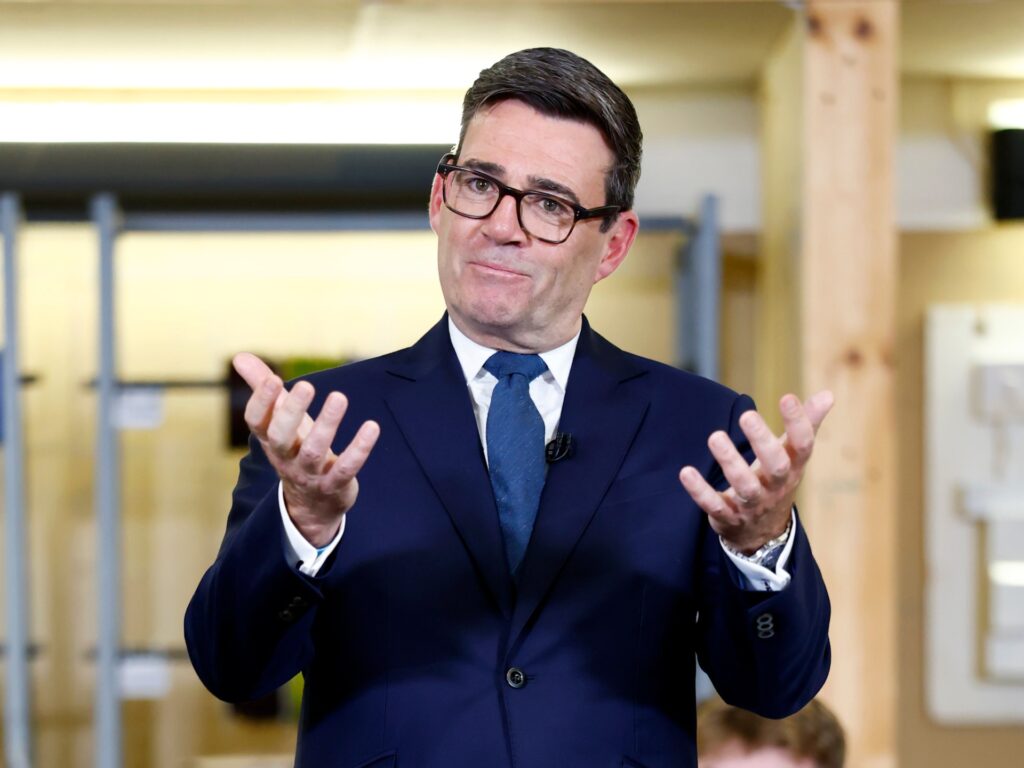
Andy Burnham’s first three months as the UK’s Prime Minister have been marked by a wave of optimism and high expectations. Coming into office with significant promises to reinvigorate the nation, Burnham quickly garnered popularity for his approachable leadership style and focus on hope and progress.
Burnham took office amid a climate of political uncertainty and public demand for change. His campaign centered around bold commitments to address social inequality, boost the economy, and enhance public services. These pledges resonated with many citizens who were eager for a fresh direction after years of political turmoil.
One of Burnham’s most talked-about policies includes increasing investment in healthcare and education, aiming to improve access and quality. Early indicators suggest positive steps, with new funding allocated to hospital upgrades and school resources. Additionally, Burnham pledged to tackle climate change aggressively, positioning the UK as a leader in green technology and sustainable development.
The public response has been largely favorable, with several polls indicating a rise in support for Burnham and his political party. His communication style, often described as candid and empathetic, has helped solidify his image as a leader attuned to the public’s concerns.
However, the optimism is tempered by ongoing challenges. Economic pressures, including inflation and supply chain disruptions, remain significant hurdles. Critics argue that some of Burnham’s promises are overly ambitious given the current global and domestic context.
Moreover, whispers of an early general election continue to circulate, as political analysts debate whether Burnham will seek to capitalize on his current popularity. An early election could either consolidate his mandate or expose vulnerabilities if his policies fail to produce quick results.
Political commentators have also noted that sustaining the so-called ‘hope vibe’ requires delivering concrete outcomes, not just rhetoric. The first 100 days have set a positive tone, but the longer-term impact of Burnham’s administration will depend on how effectively his government tackles entrenched issues like public sector strikes and housing shortages.
Internationally, Burnham’s leadership is being watched closely, with expectations for the UK to play a more active role on the global stage post-Brexit. His foreign policy decisions thus far suggest a pragmatic approach, balancing international cooperation with national interests.
In conclusion, Andy Burnham’s initial three months as Prime Minister have been characterized by high hopes and popular support. Yet, the question remains whether this momentum can be maintained amid complex economic challenges and political pressures. As the nation watches closely, Burnham faces the pivotal task of turning promises into sustainable progress while navigating the possibility of an early election.