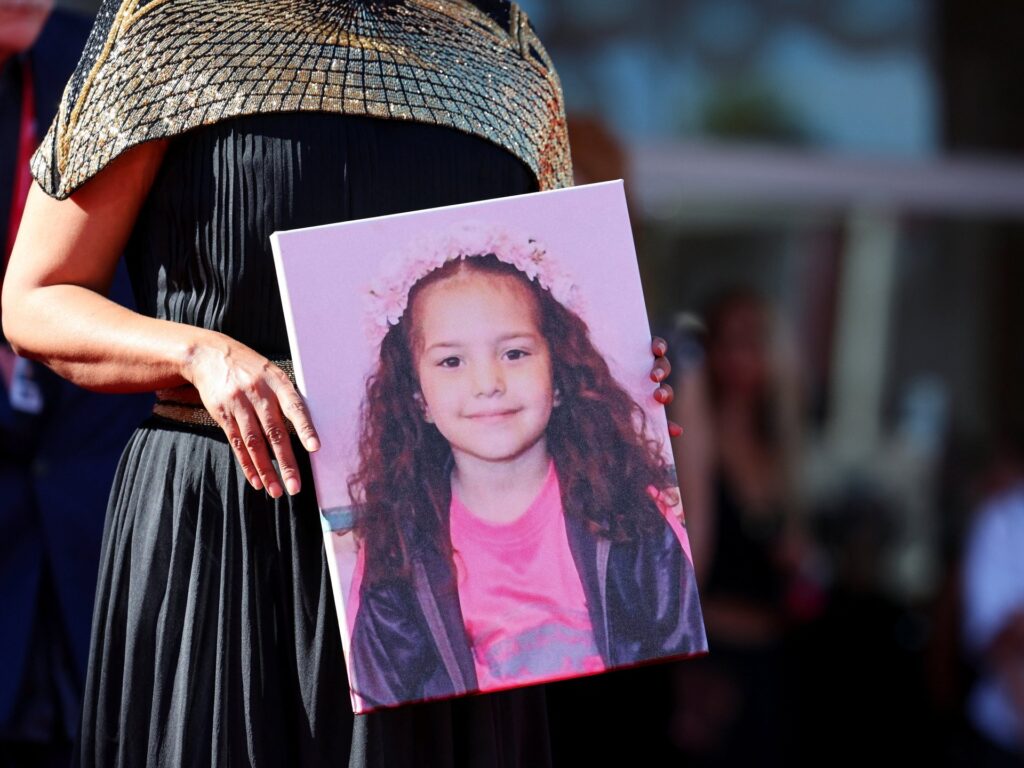
US Congresswoman Rashida Tlaib has demanded the arrest of an Israeli soldier allegedly responsible for the death of Palestinian activist Hind Rajab. Tlaib insists that the US government take immediate action to detain the Israeli commander should he enter US territory.
Hind Rajab, a prominent Palestinian activist, died under circumstances linked to an attack involving Israeli forces. The soldier in question is reported to have been directly involved in the incident, which has drawn international condemnation and renewed attention to the conflict in the region.
Rashida Tlaib, a vocal critic of Israeli policies and a strong advocate for Palestinian rights, highlighted the importance of enforcing accountability for actions resulting in civilian casualties. She argued that if the Israeli commander responsible is allowed to travel freely in the US without facing legal repercussions, it would send the wrong message about impunity for such offenses.
The lawmaker’s demand comes amid ongoing tensions between Israel and Palestine, with human rights organizations frequently calling for investigations into alleged abuses by military personnel. Tlaib’s call for arrest signals a push for greater US involvement in holding individuals accountable for acts perceived as violations of international law.
Supporters of Tlaib’s position emphasize the need for justice for Hind Rajab and other victims, stressing that allowing alleged perpetrators to evade legal processes undermines principles of human rights and accountability.
However, the situation also highlights the complex diplomatic relationship between the US and Israel, with the US traditionally being a strong ally of Israel. Arresting an Israeli soldier on US soil could raise sensitive political challenges.
Despite these complications, Tlaib’s insistence reflects a broader movement within the US political landscape advocating for more rigorous scrutiny of Israeli military actions.
The case has sparked debate over the role of the US in international human rights enforcement and the extent to which it should intervene in conflicts involving its allies.
Human rights activists applaud the demand, stating that it would set a precedent for addressing allegations of war crimes and ensuring justice regardless of nationality or political alliances.
In summary, Rashida Tlaib’s call for the arrest of the Israeli soldier linked to Hind Rajab’s death underscores ongoing tensions and the urgent need for accountability in conflict zones. It highlights the challenges and complexities faced by policymakers in balancing diplomatic ties with commitments to human rights and justice.