Over recent years, the United States has significantly intensified its air strike campaign against armed groups in Somalia, especially under the Trump administration. This military strategy aims to dismantle militant extremist factions, primarily Al-Shabaab, which have posed persistent threats to regional and global security. However, beyond the strategic and tactical implications, these air strikes have imposed profound human costs on Somali civilians, with numerous families experiencing death, injury, and forced displacement.
Somalia has long been a nation grappling with conflict, instability, and humanitarian crises. The repeated US air strikes have compounded these challenges. Families living in areas targeted by drone strikes or air raids report tragic loss of loved ones, including elders, women, and children, who were often innocent bystanders caught in crossfire or collateral damage.
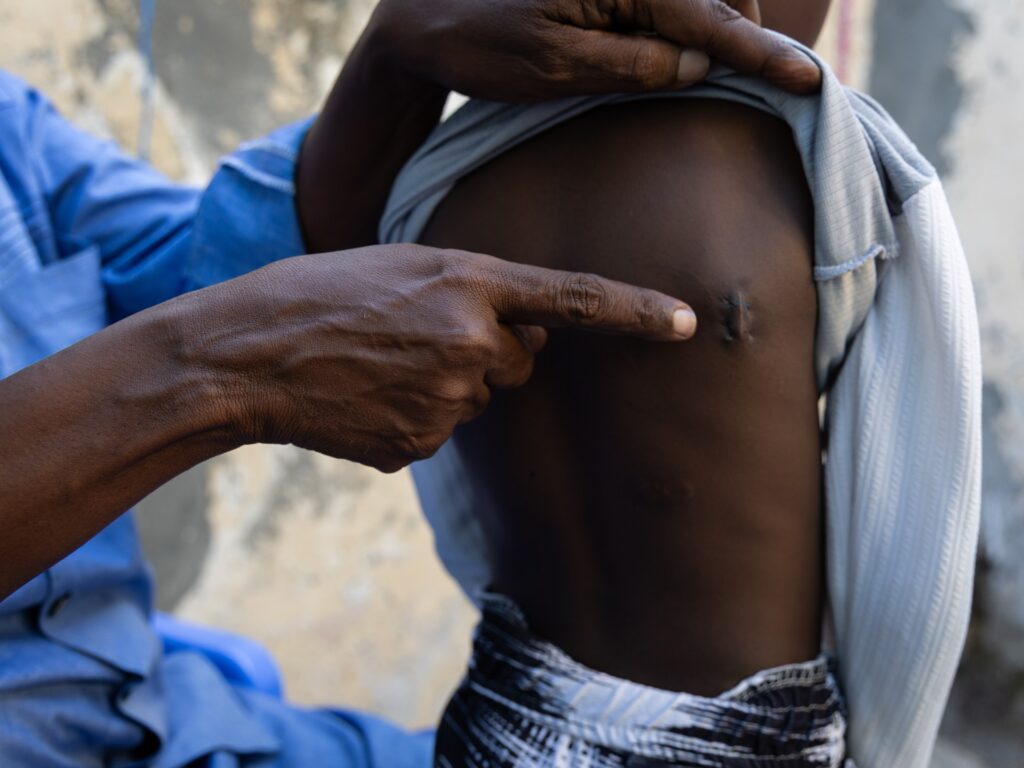
Eyewitness accounts and family testimonies reveal harrowing stories. One family, who lost three members in a single strike, described the sudden explosion that demolished their home, leaving a lasting trauma and a desperate need for shelter and aid. Injuries sustained during these strikes frequently result in limited access to medical care due to Somalia’s fragile healthcare infrastructure and ongoing violence.
Displacement is another grave consequence. Entire communities are forced to flee, abandoning their homes and livelihoods in fear of future attacks. This displacement exacerbates the already dire humanitarian situation by pushing more people into refugee camps or informal settlements with scarce resources.
While the US government maintains that these strikes target only militants and contribute to long-term stability, critics argue that the civilian toll undermines these objectives. The loss of innocent lives and destruction of homes fuels local resentment, potentially aiding militant recruitment and perpetuating cycles of violence.
Human rights organizations have called for increased transparency and accountability in US military operations in Somalia. They advocate for stricter measures to minimize civilian casualties, including rigorous intelligence verification before strikes and enhanced post-strike assessments.
The Somali government, meanwhile, faces the difficult position of balancing cooperation with international partners against concerns over national sovereignty and civilian protection.
In summary, the surge in US air strikes under the Trump administration represents a complex and contentious approach to combating armed groups in Somalia. While it has witnessed tactical successes, it has also imposed deep human costs on ordinary Somalis. These repercussions highlight the urgent need for policies that prioritize the protection of civilians and address the long-term consequences of military interventions.