In a grim discovery near Kampala, Uganda, police have found the body of a male victim who was beheaded, with the victim’s head still missing. Authorities have identified the deceased as an exiled critic of the Rwandan president. The incident has sent shockwaves through communities familiar with the victim’s activism and vocal opposition to the Rwandan government.
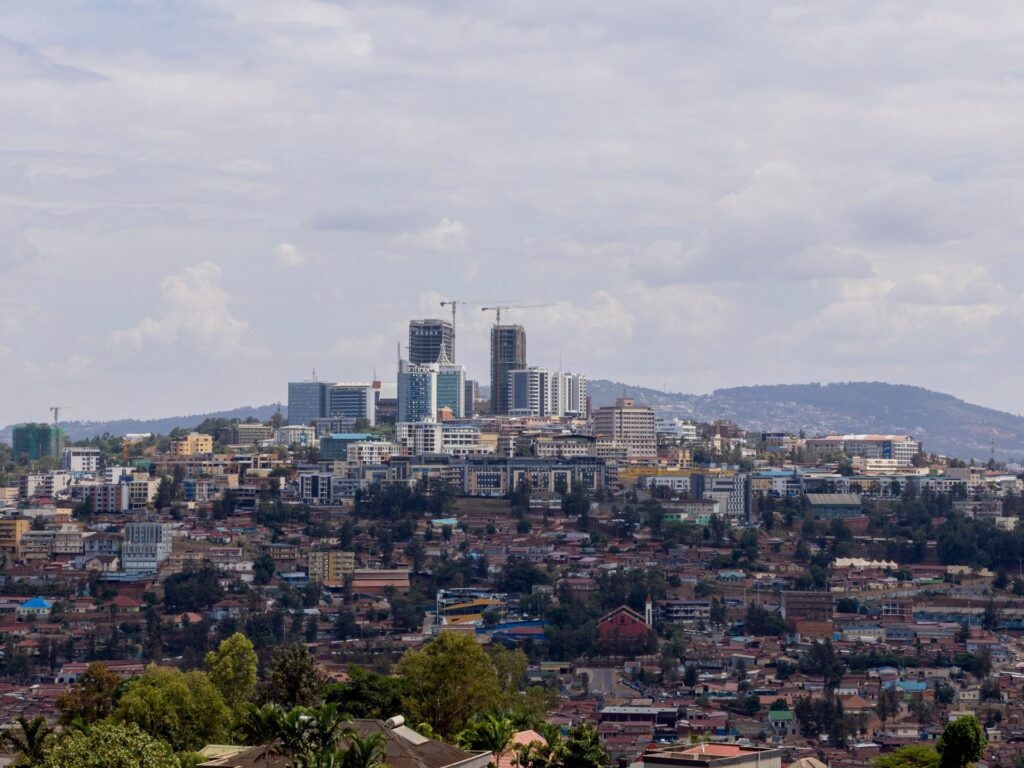
The body was discovered in a small village close to Uganda’s capital city, Kampala, where many exiles from neighboring Rwanda have sought refuge over the years due to political tensions and persecution. The victim’s identity and background linked him to vocal advocacy against Rwanda’s current administration, making this case particularly sensitive and alarming for human rights observers and regional political analysts.
Ugandan police are currently investigating the circumstances surrounding the beheading, focusing on potential motives and perpetrators. The investigation is expected to look into whether this is an isolated act of violence or if it represents a broader attempt to silence dissent and intimidate critics of the Rwandan regime in exile.
Human rights organizations have condemned the killing, calling for a thorough and transparent investigation to ensure justice is served. They emphasize the importance of protecting political refugees and dissidents who face threats due to their opposition to powerful political figures.
The case highlights the ongoing political tensions in the Great Lakes region of Africa, where political exile, intimidation, and violence remain a concern for numerous activists and opposition figures. Regional governments and international bodies are urged to strengthen protection mechanisms for exiled dissidents and uphold human rights standards.
As the Ugandan police continue their investigation, the international community watches closely, demanding accountability for this brutal murder and emphasizing that political violence cannot be tolerated in any form. The tragic death of the exiled Rwandan critic underscores the risks faced by those who dare to speak out against authoritarian regimes and raises urgent questions about regional security and justice.