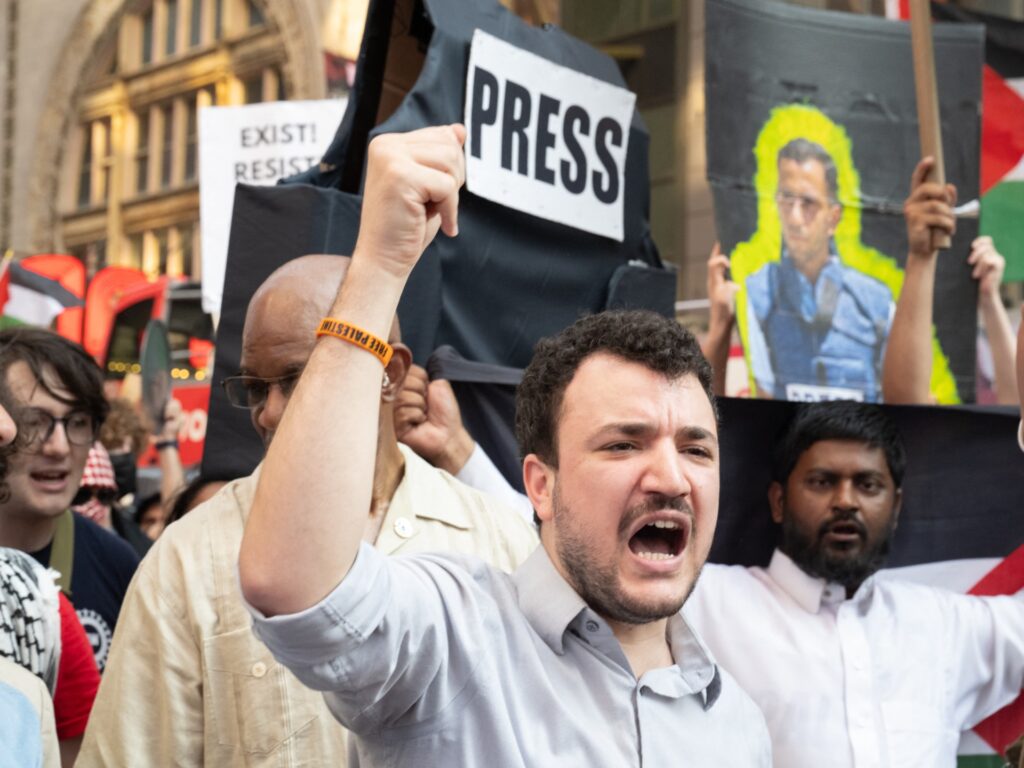
Mahmoud Khalil, a former student leader, has escalated his legal battle against deportation by taking his case to the United States Supreme Court. His legal team is urgently seeking to overturn a recent decision made by an appeals court that paved the way for his removal from the country. Khalil’s case has garnered significant attention because of his past activism. The appeals court’s ruling marked a critical point in his prolonged legal struggle, potentially ending his fight to remain in the US.
The lawyers representing Khalil argue that the appeals court erred in its judgment, which they claim jeopardizes his ability to stay in the country legally. They emphasize that his deportation would not only disrupt his life but also have wider implications for individuals in similar circumstances, especially those with backgrounds in student activism.
Khalil’s supporters have rallied around the case, noting his contributions as a student leader and questioning the fairness of the appeals court’s position. The case highlights ongoing debates about immigration policies and the treatment of immigrants with politically sensitive profiles.
At the Supreme Court, Khalil’s lawyers aim to challenge the legal basis of the appeals court decision. They contend that the lower court did not fully consider the humanitarian factors and potential dangers Khalil faces if deported.
If the Supreme Court decides to hear the case, it could set an important precedent regarding deportation proceedings involving former student activists. The legal battle underscores the complexities immigrants face within the US judicial system, particularly those from politically active backgrounds.
As the case progresses, observers remain attentive to its implications for immigration law and civil rights. Khalil’s fight represents a critical juncture for many in similar legal battles, with the Supreme Court’s next steps being closely watched by advocates and critics alike.
This case demonstrates the intricate balance between immigration enforcement and protecting individuals’ rights amidst evolving political and social landscapes. With the Supreme Court’s involvement, the discussion around deportation policies is poised to gain renewed national attention.