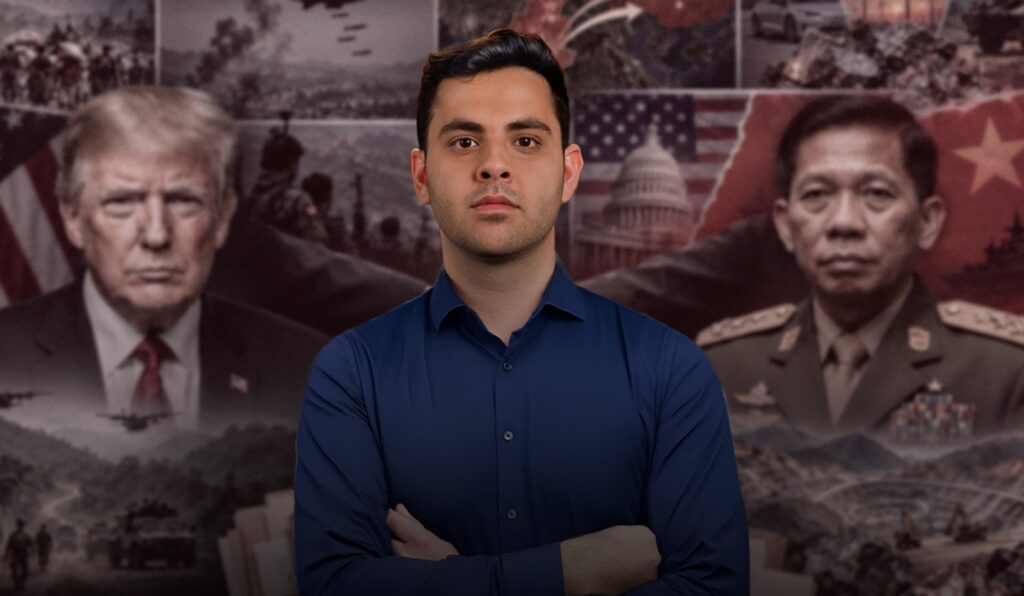
The United States is reportedly holding secret talks with Myanmar’s military ruler, a move that has raised significant controversy due to accusations of genocide against the military leadership. These discussions come at a sensitive time as Myanmar continues to face political turmoil and international condemnation over its treatment of the Rohingya Muslim minority.
The Trump administration’s decision to engage in covert negotiations with the military junta, which seized power in a coup and has been accused of severe human rights violations, including genocide, reflects a complex diplomatic strategy. This approach aims to stabilize the region and protect US interests but has also sparked concerns about endorsing or legitimizing a repressive regime.
Key reasons for these secret talks include the US government’s interest in maintaining influence in Southeast Asia amid growing Chinese power and ensuring that Myanmar does not become a geopolitical ally of China. The military’s control over Myanmar’s government complicates the efforts to promote democracy and human rights, yet the administration seems to prioritize strategic stability over openly condemning the military.
Critics argue that engaging with a leader accused of genocide undermines international norms and the moral standing of the US. However, supporters claim that dialogue is necessary to prevent further isolation of Myanmar and to encourage a peaceful resolution to the ongoing conflict.
In summary, the secret talks by the US with Myanmar’s military ruler highlight the tension between realpolitik and ethical foreign policy. The administration seeks to balance the urgent need to address human rights abuses with broader strategic interests in the Asia-Pacific region.