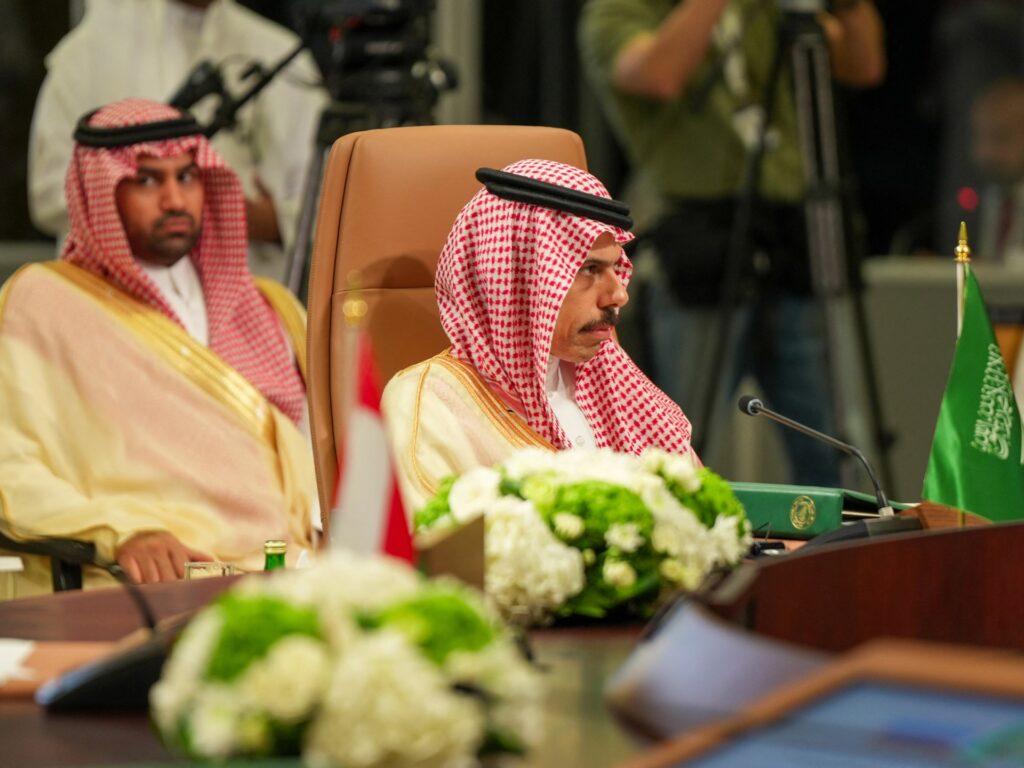
The Gulf Cooperation Council (GCC) has strongly condemned the recent attacks launched by the Houthi movement against Saudi Arabia, amid a sharp escalation in the conflict in Yemen. These attacks have intensified regional tensions and prompted urgent calls for coordinated action to address the deteriorating security situation.
In response to the continued aggression from the Houthis, Gulf ministers convened to discuss strategies to counteract the group’s military actions. The GCC has underscored the need for international support to restore stability and prevent further escalation that could destabilize the already fragile region.
The conflict in Yemen has worsened significantly, leading to widespread humanitarian consequences. Fighting has resulted in the displacement of over 233,000 people across Yemen, exacerbating an ongoing humanitarian crisis. Many families have been forced to flee their homes due to intensified combat operations between Houthi forces and Yemen’s internationally recognized government.
The GCC’s condemnation reflects a broader regional consensus on the urgency to curb the Houthis’ military capabilities and to push for a peaceful resolution through diplomatic means. The ministers have called on the international community to increase pressure on the Houthis to cease attacks and engage in meaningful dialogue.
Saudi Arabia, a key member of the GCC, has been a primary target of Houthi missile strikes and cross-border attacks, which have threatened civilian populations and critical infrastructure. The GCC’s unified stance aims to deter further hostilities and support Saudi Arabia’s security concerns.
The ongoing conflict in Yemen, now in its ninth year, has involved multiple regional actors, making a resolution complex. The humanitarian toll continues to rise, with millions in need of aid and protection. The displacement of people within Yemen complicates efforts to deliver essential services and assistance.
Efforts are underway within the GCC framework to enhance security cooperation and coordinate responses to the Houthi threat. This includes intelligence sharing, military coordination, and diplomatic engagement aimed at stabilizing the situation.
The GCC ministers emphasized the importance of protecting civilian lives and infrastructure in Yemen and neighboring countries affected by the conflict. They expressed a commitment to upholding international humanitarian laws and facilitating humanitarian relief efforts where possible.
As fighting intensifies, the international community faces increasing pressure to support conflict resolution initiatives and humanitarian aid delivery. The GCC’s call for action highlights the critical need for cooperation among regional and global stakeholders to prevent further escalation and promote peace in Yemen and the Gulf region.