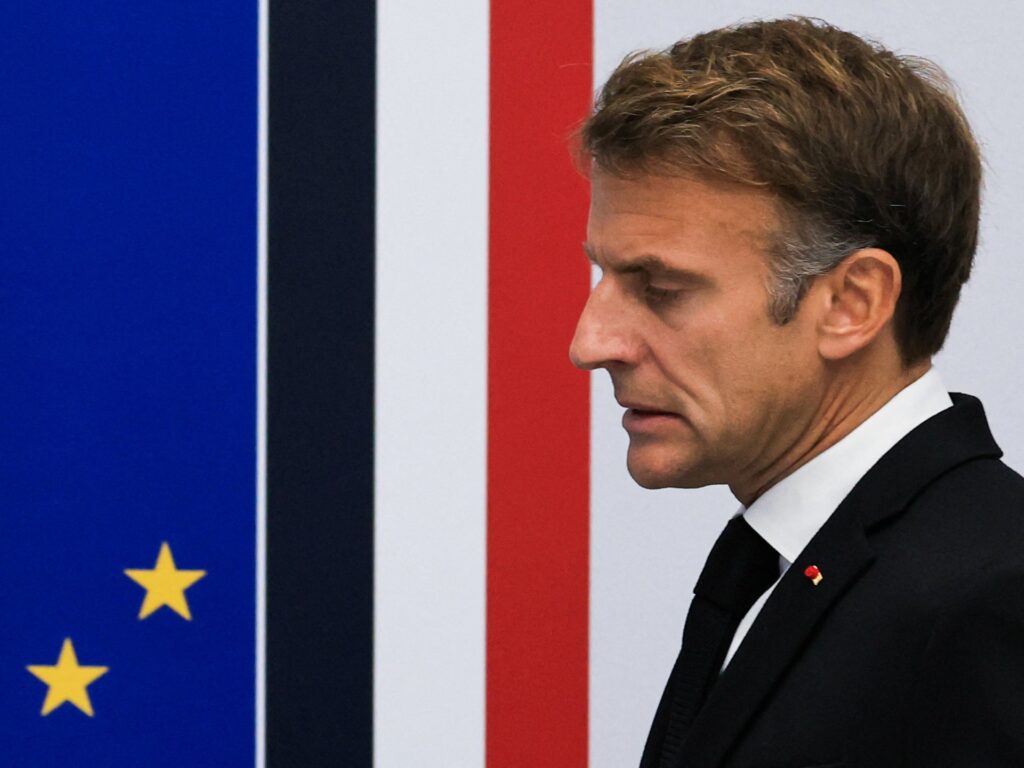
France is currently grappling with widespread rioting and looting, sparking national outrage and prompting a strong response from President Emmanuel Macron. The unrest, which has enveloped cities across the country, has generated a complex mix of anger and shame among citizens and leadership alike.
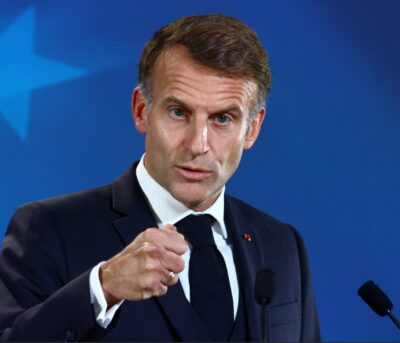
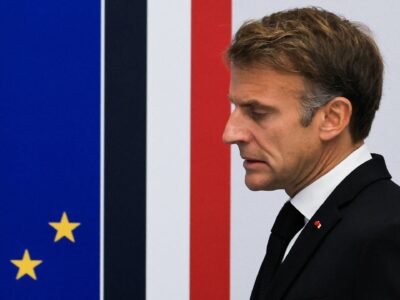
In a recent address, President Macron condemned the escalating violence and lawlessness sweeping through French communities. He described the situation with a heavy heart, expressing both his anger at the destruction and his shame over the negative image it projects internationally.
“We are facing a crisis that affects the very fabric of our society,” Macron stated. He emphasized the government’s commitment to restoring order while expressing concern over the underlying social issues that may have contributed to the unrest.
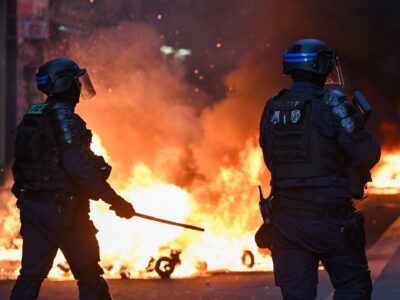
In response to the widespread disturbances, Macron has pledged to bolster security measures nationwide. This includes increasing police presence and resources in the most affected areas to curb further acts of violence and looting. However, he stopped short of declaring a state of emergency or imposing a curfew, measures that would significantly escalate the government’s response and restrict civil liberties.
The President’s decision not to enforce a curfew or declare a state of emergency reflects a cautious balance between maintaining public safety and respecting democratic freedoms. This nuanced approach aims to avoid exacerbating tensions while still addressing the urgent need for security.
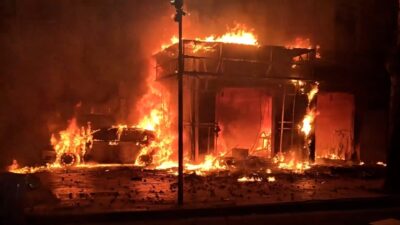
Local authorities have reported numerous incidents of vandalism, theft, and clashes between rioters and law enforcement. Various communities have suffered significant property damage, with businesses looted and public infrastructure targeted.
Experts suggest that the root causes of the unrest may include socio-economic disparities, feelings of disenfranchisement among certain populations, and broader issues related to integration and community relations in urban areas.
Macron called for national unity, urging citizens to come together in condemning violence and supporting peaceful dialogue to address the underlying problems. He reiterated that security and justice must prevail, but also stressed the importance of solidarity and collective responsibility.
The government is reportedly considering additional measures to support affected businesses and neighborhoods recovering from the turmoil. Initiatives may include economic assistance, community rebuilding projects, and enhanced social programs aimed at mitigating future conflicts.
As France navigates this turbulent period, the international community watches closely. The nation’s ability to restore peace while addressing deep-rooted social challenges will be pivotal for its future stability and cohesion.
In summary, President Macron’s response to the nationwide rioting highlights the complexity of balancing law enforcement with civil liberties. His condemnation of the violence coupled with a commitment to heightened security reflects a careful approach to an unprecedented crisis. The coming weeks will be critical in determining France’s path forward in healing and rebuilding its fractured communities.