France is currently engulfed in widespread protests driven by mounting frustration over poor conditions in schools and soaring living costs. Citizens across the country have taken to the streets to voice their grievances, leading to significant unrest in various cities.
The protests initially sparked from discontent about the deteriorating state of the education system, with students and parents highlighting outdated infrastructure, overcrowded classrooms, and insufficient resources. However, these demonstrations rapidly expanded to include broader economic issues, particularly the rising prices of everyday necessities which have put an immense strain on households.
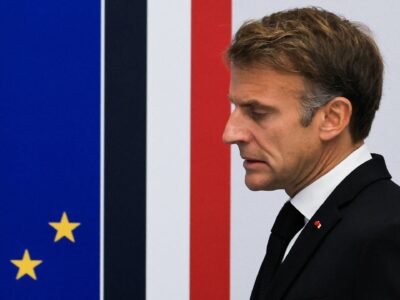
President Emmanuel Macron has publicly condemned the violence and chaos accompanying the protests. In a firm statement, he vowed that those involved in rioting and criminal acts during the demonstrations will be held accountable and made to pay for their crimes. Macron’s administration is under pressure to balance maintaining order with addressing the underlying causes of the unrest.
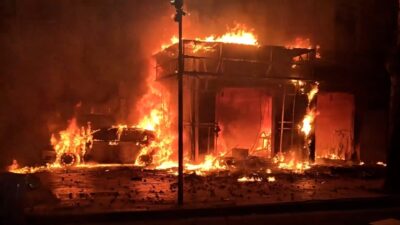
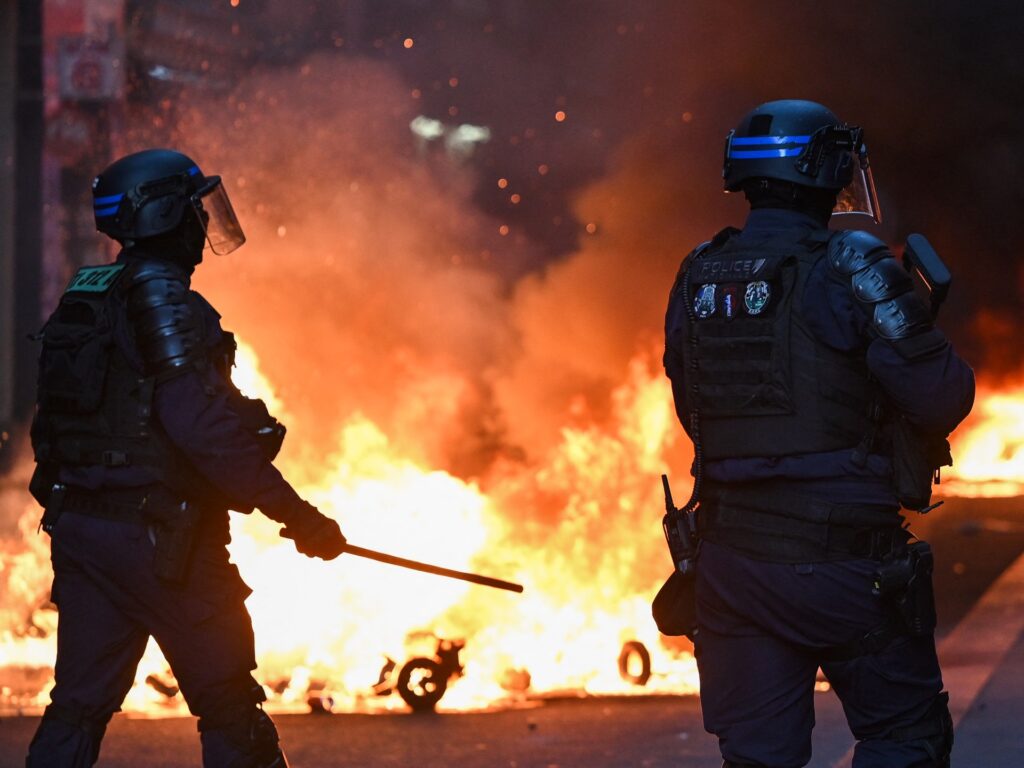
Security forces have been deployed in large numbers to manage the protests, which in some cases have led to clashes between demonstrators and police. Reports indicate incidents of vandalism, property damage, and confrontations that have intensified tensions further.
The government has announced plans to engage in dialogue with education officials, unions, and other stakeholders to seek solutions for the schooling crisis. Efforts to alleviate the cost-of-living pressures are also being explored, although details remain sparse.
Public opinion remains divided, with some citizens supporting the protests as a necessary wake-up call for systemic reforms, while others are concerned that the violence overshadows legitimate grievances.
Several unions and student organizations have called for continued protests until their demands for improved educational conditions and economic relief are met. Meanwhile, opposition parties criticize Macron’s approach, suggesting that harsher law enforcement may only deepen societal divisions.
As France faces this dual challenge of social and economic unrest, the path towards resolution requires careful negotiation and effective policy responses. The president’s pledge to hold rioters accountable underscores the government’s focus on security, but the broader public demands lasting changes to address the root causes of discontent.
Observers highlight that the ongoing protests reflect a complex mix of social issues, economic hardship, and political dissatisfaction that has simmered for years. The outcome of these demonstrations could have lasting implications for Macron’s presidency and the future stability of France.
In summary, France is amid a turbulent period marked by mass protests against deteriorating school conditions and escalating living costs. President Macron has taken a hard stance on rioting, promising legal consequences for offenders, while the government seeks to open talks aimed at addressing the protesters’ core concerns. The situation remains fluid, with the potential for further unrest unless meaningful progress is achieved.