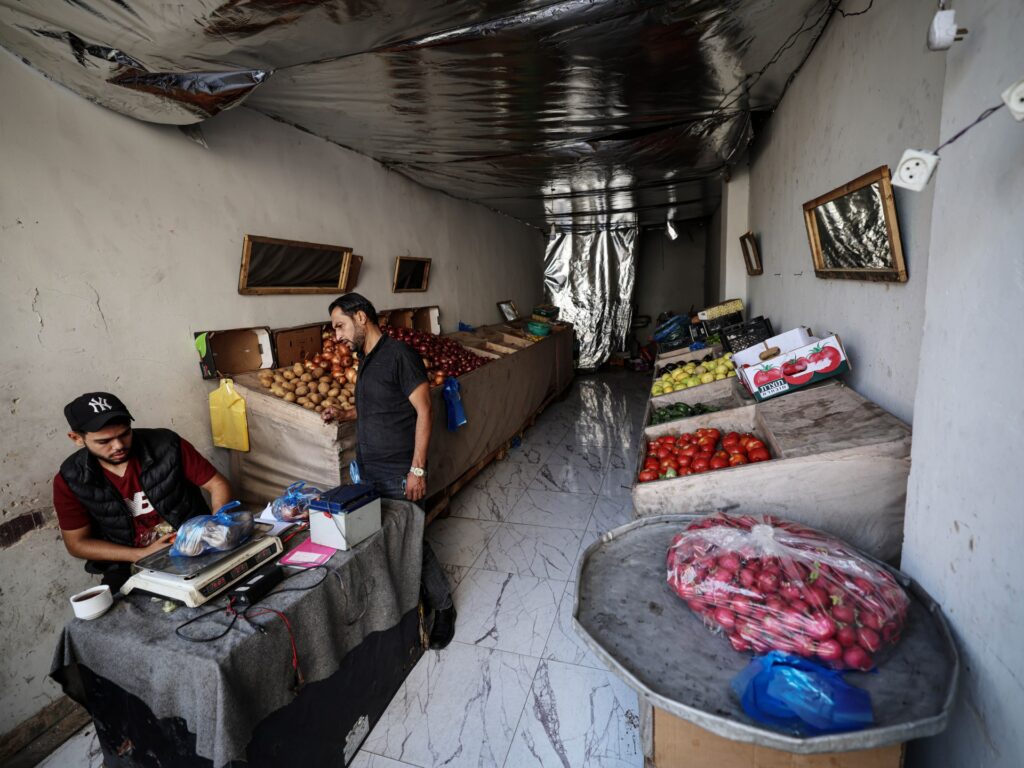
Gaza residents are growing increasingly concerned about potential food shortages as Israel has imposed a halt on commercial shipments into the region. This latest restriction marks a significant escalation in the ongoing tensions, exacerbating an already fragile situation for families living in Gaza. Reports from local residents indicate a sharp rise in prices for everyday goods, stretching the ability of many households to afford even basic supplies. The stoppage of commercial shipments has disrupted the flow of essential food items, leading to fears that shortages could become more severe in the coming weeks. Local markets have seen dwindling stocks of staples such as bread, rice, and cooking oil, with prices rising on the backs of scarcity and rising demand. Families, already grappling with economic hardship, now face the added pressure of securing enough food to sustain their households. Humanitarian organizations have expressed concern about the impact on vulnerable populations, including children and the elderly, who are at the greatest risk of malnutrition. The restrictions come amid heightened security concerns and political tensions, influencing the decision to curb the movement of goods into Gaza. However, the humanitarian implications are dire, as the blockade limits access to critical supplies necessary for daily survival. Food insecurity in Gaza has been an ongoing issue due to various factors including border closures, limited agricultural capacity, and economic constraints. The recent halt on commercial shipments threatens to deepen the crisis, compounding the difficulties faced by families trying to cope with existing shortages. Experts warn that without immediate intervention to restore access to food and essential goods, the situation could deteriorate rapidly, leading to increased hunger and malnutrition in the region. Calls for easing restrictions highlight the urgent need for coordinated efforts to address both security concerns and humanitarian needs. As Gaza families navigate these challenges, the international community watches closely, recognizing that the humanitarian situation demands urgent attention and a sustainable resolution to ensure the wellbeing of those affected.