The Philippines is witnessing a significant surge in the adoption of solar power as soaring energy costs, driven by escalating tensions in the Middle East, compel residents and businesses to seek alternative energy solutions. The country’s electricity bills, already the highest in Southeast Asia, have climbed even further due to the spike in global oil prices following increased conflicts involving Iran, a major oil producer.
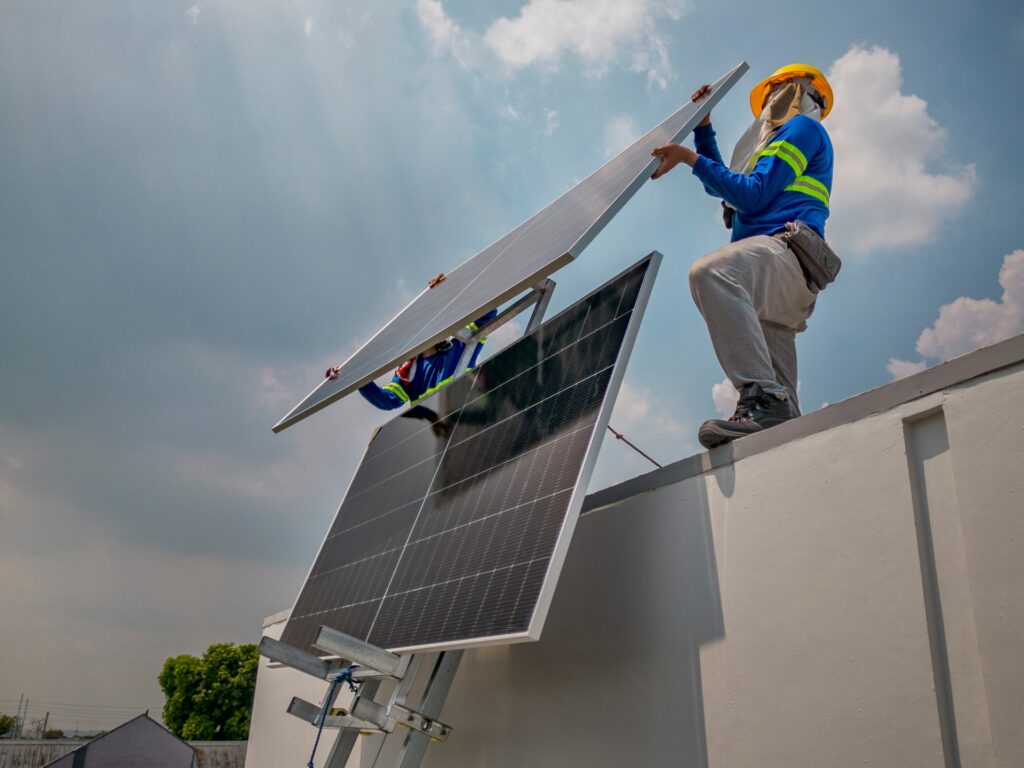
With energy prices becoming increasingly burdensome, many Filipinos are turning to rooftop solar panel installations to mitigate their electricity expenses. These solar systems offer a sustainable and cost-effective alternative, allowing households and commercial establishments to generate their own electricity and reduce reliance on grid power.
Industry experts note that the war on Iran has disrupted oil supplies, sending shockwaves through global energy markets, and the Philippines, heavily dependent on imported oil for power generation, is feeling the brunt of these fluctuations. The surge in oil prices is directly reflected in the power tariffs charged by utilities, aggravating the financial strain on consumers.
Solar power, long touted as a viable renewable energy source in the archipelago’s sunny climate, is now gaining unprecedented traction. Rooftop solar installations are becoming increasingly affordable due to advancements in technology and supportive government policies, including tax incentives and easier access to financing.
Several local companies specializing in solar panel installation report a sharp increase in demand. Licensed installers are expanding operations to meet the growing market, while financing firms are offering innovative loan schemes and lease-to-own programs to lower the barrier for adoption.
Moreover, the trend is not limited to urban centers. Rural areas, often underserved by the traditional electricity grid, are also embracing solar energy to achieve energy independence and reduce monthly costs. This shift aligns with the Philippine government’s broader energy strategy aimed at increasing renewable energy’s share in the national energy mix to enhance sustainability and energy security.
Environmental advocates applaud the shift toward solar power as a positive step to reduce the country’s carbon footprint and promote clean energy. However, they caution that challenges remain, including the need for improved grid infrastructure to manage distributed solar generation and ensuring equitable access across all socioeconomic groups.
Looking ahead, industry analysts predict that the continued volatility in global oil markets will sustain the growth momentum of solar power adoption in the Philippines. The combination of economic necessity and robust natural solar resources positions the country as a potential leader in Southeast Asia’s renewable energy transition.
In conclusion, the confluence of geopolitical unrest, rising fuel prices, and the urgent demand for affordable electricity is driving a solar power boom in the Philippines. This trend reflects a broader global movement toward renewable energy solutions as nations strive for economic resilience and environmental sustainability.