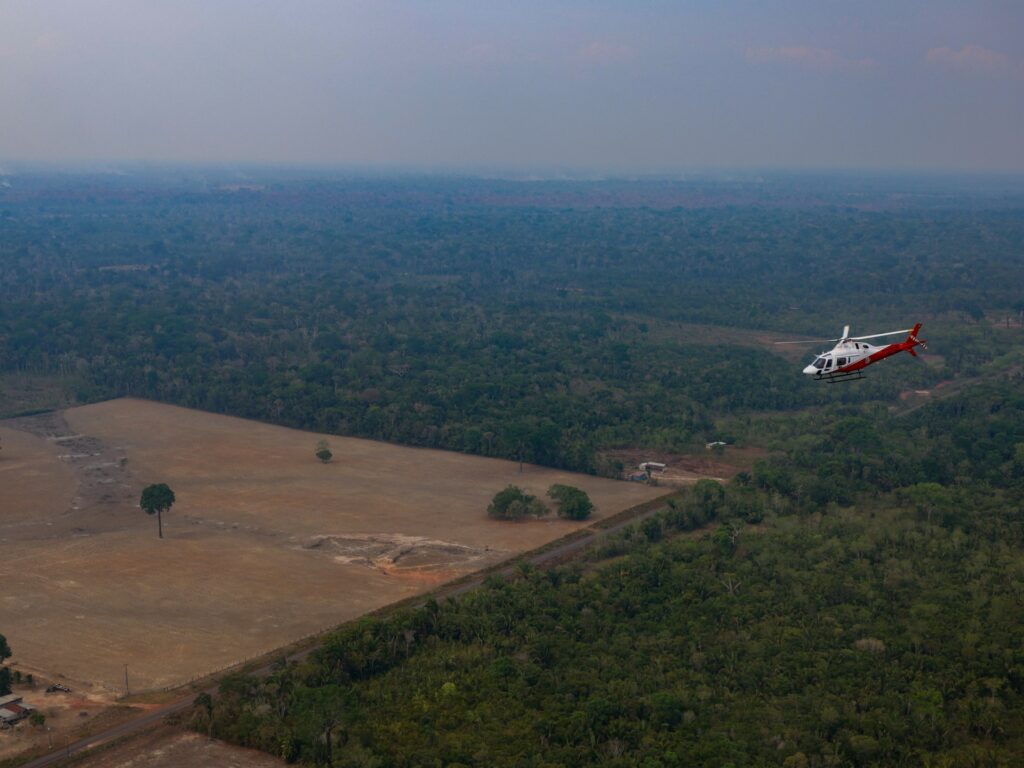
Brazil has recorded its lowest level of Amazon deforestation ever, marking a significant 42 percent decline in forest clearance compared to the previous year. This remarkable reduction offers a positive signal amidst growing global concerns over climate change and environmental degradation. The drop in deforestation is seen as a strong achievement for President Luiz Inácio Lula da Silva, who has been vocal about protecting the Amazon rainforest during his political campaign.
Historically, the Amazon rainforest has faced immense pressure from illegal logging, agriculture expansion, mining, and infrastructure projects, contributing to the rapid loss of biodiversity and impacting global carbon cycles. The rainforest plays a crucial role in absorbing carbon dioxide and maintaining Earth’s climate balance.
Data from Brazil’s National Institute for Space Research (INPE) showed that deforestation rates fell by nearly half within the last year. Analysts attribute this decline to strengthened enforcement of environmental laws, increased monitoring using satellite technology, and Lula’s administration’s emphasis on sustainable development strategies.
The new figures come at a politically sensitive time, just weeks before Brazil’s presidential election run-off, enhancing Lula’s image as a committed environmental steward. Lula’s supporters argue that his policies are essential not only for Brazil’s future but also for the global fight against climate change.
Conservation groups have welcomed the data but caution that the fight against deforestation must continue with vigilance. They warn that economic pressures and political resistance could reverse the progress if efforts to protect the forest are relaxed.
The Amazon spans multiple countries, with Brazil holding the largest portion. The success in Brazil could serve as an example for other Amazonian countries to enhance their conservation efforts.
Protecting the Amazon is vital for biodiversity, indigenous communities, and mitigating global warming. Policies promoting sustainable agriculture, reforestation projects, and community engagement are considered critical components of long-term forest preservation.
Experts emphasize ongoing international support and funding to ensure that Brazil can maintain and build upon this trend. Global cooperation, alongside national commitment, is necessary to safeguard the world’s largest tropical forest.
With deforestation at its lowest level on record, Brazil may be setting a precedent for environmental policy that balances development with conservation. The new data highlights the importance of political will, technological innovation, and community involvement in achieving such milestones.
In summary, Brazil’s record-low Amazon deforestation represents a hopeful development for environmentalists, policymakers, and the planet. The substantial drop in forest clearance underlines the potential impact of dedicated leadership and integrated conservation efforts as the world seeks solutions to the climate crisis.