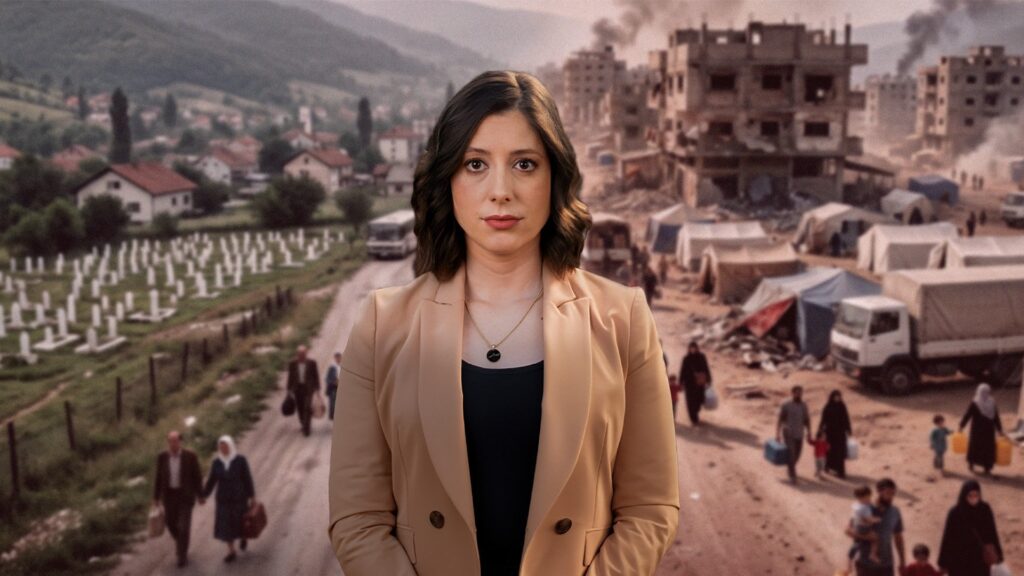
Three years into Israel’s war on Gaza, disturbing parallels are emerging with the harrowing genocide that transpired in Srebrenica, Bosnia and Herzegovina, in 1995. Both conflicts reveal cyclical patterns of ethnic cleansing, indiscriminate violence, and profound human suffering that highlight the enduring challenge of preventing mass atrocities.
The Srebrenica genocide is one of the most notorious crimes committed in Europe since World War II, where over 8,000 Bosniak men and boys were systematically murdered by Bosnian Serb forces. This atrocity was marked by calculated brutality, mass executions, and the expulsion of entire communities. The intent was clear: to destroy a group based on ethnicity.
Similarly, in Gaza, the ongoing Israeli military operations have led to severe humanitarian crises characterized by large-scale destruction, civilian casualties, and suspected collective punishment. Thousands of Palestinians have been killed or displaced, with infrastructure and homes demolished, echoing the strategic decimation seen in Bosnia.
Key patterns tie these tragedies together. First, the targeting of specific ethnic or religious groups as a method of warfare lays the groundwork for genocide. In both cases, political and military goals appear intertwined with an intent to erase identities and remove entire populations.
Second, international response and intervention have historically been slow and insufficient. During Srebrenica, the failure of peacekeepers and global powers to prevent mass killings remains a stain on international diplomacy. Gaza too has seen delayed and often ineffective global responses that have allowed violence to escalate.
Third, propaganda and hate speech were instrumental in inciting fear and hatred, facilitating the genocide. Bosnian Serb leadership used media to dehumanize Bosniaks, while similar narratives of demonization and justification of violence have been witnessed throughout the Gaza conflict.
The humanitarian consequences in both scenarios extend beyond immediate loss of life. Survivors face trauma, displacement, and the struggle to rebuild lives amidst ruins. Genocide leaves scars that ripple through generations, affecting social cohesion and trust within societies.
Legal efforts to address these crimes also reflect parallels. The International Criminal Tribunal for the former Yugoslavia (ICTY) prosecuted those responsible for Srebrenica, establishing precedents for justice. Calls for accountability in Gaza have intensified, with debates around international law, war crimes investigations, and the role of the International Criminal Court.
Understanding the painful echoes between Gaza and Bosnia’s dark past urges the international community to act decisively. Early prevention, sustained diplomatic efforts, protection of civilians, and addressing root causes of conflict are essential to breaking the cycle of genocide.
As Gaza marks three years of conflict, the memories of Srebrenica remind us that failing to recognize and halt such patterns only prolongs human suffering. It is a solemn call for renewed commitment to human rights, justice, and peace, to ensure that history’s darkest chapters do not repeat themselves in new lands.
In reflecting on these similarities, the world must learn from its past failures and take meaningful action to prevent further atrocities. The legacy of both Bosnia and Gaza will depend on how effectively the global community confronts the challenges of genocide and upholds the dignity of all people, regardless of their nationality, ethnicity, or faith.