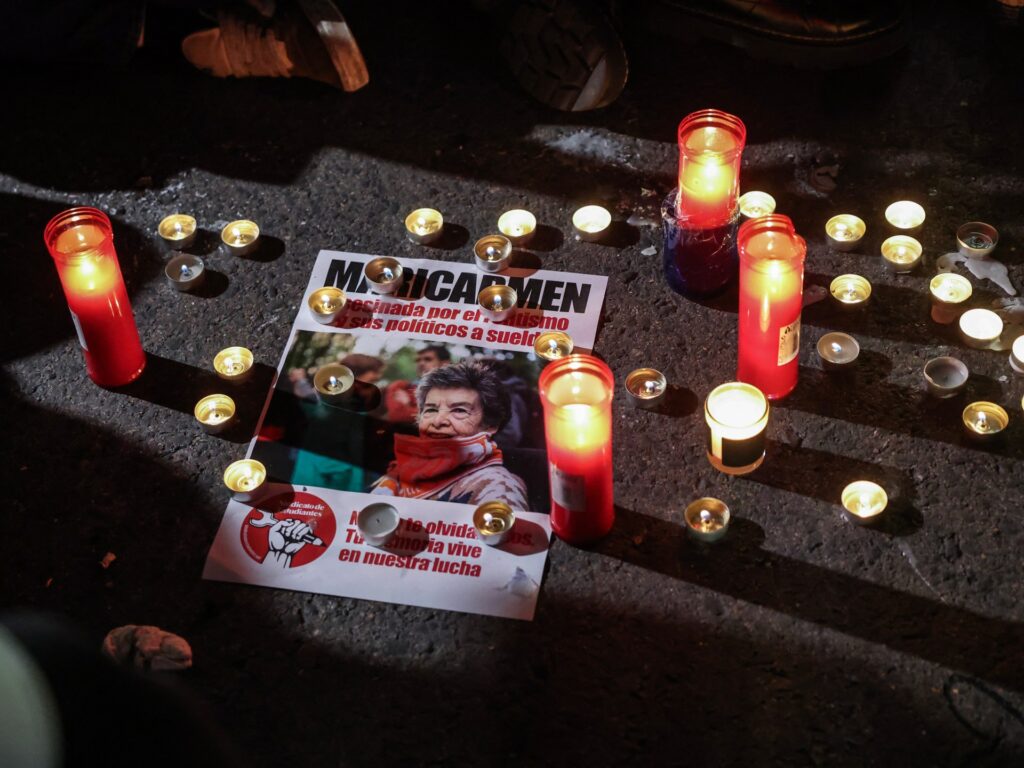
Maricarmen, a poignant symbol of Spain’s ongoing housing crisis, has passed away at the age of 87. Her eviction in Madrid, widely publicized after she was carried out on a stretcher, ignited nationwide protests highlighting the urgent need for housing reform in the country.
Maricarmen’s case brought significant attention to the struggles faced by many elderly and vulnerable residents in Spain, who confront eviction and displacement amid rising housing costs and economic instability. Her eviction was not just a personal tragedy but a stark illustration of the broader systemic issues regarding affordable housing in Spain.
The incident occurred in Madrid, where activists and residents rallied to protest the displacements caused by eviction policies. Maricarmen’s situation resonated deeply with the public, becoming a rallying point for activists calling for policy changes to protect tenants and provide more stable housing solutions.
Her passing marks a somber moment for the community and supporters of housing rights, underscoring the human cost of the crisis. Authorities have faced increasing pressure to implement stronger protections and support systems for at-risk populations, including the elderly like Maricarmen.
In the wake of her death, demonstrations have intensified, with calls for government action to prevent such tragedies in the future. Housing activists emphasize that Maricarmen’s story represents thousands of others facing similar threats to their homes.
Her legacy is expected to influence ongoing debates and policy reforms aimed at addressing Spain’s housing challenges. Advocacy groups continue to mobilize, demanding a more compassionate approach to housing and eviction laws.
Maricarmen’s life and struggle have been a wake-up call to the nation, prompting a closer examination of economic inequalities and the need for comprehensive social welfare programs. Her story underscores the importance of dignity and security in housing for all citizens.
As Spain grapples with rising homelessness and housing insecurity, Maricarmen’s memory serves as a powerful symbol of the fight for justice and the right to a safe home. Her impact remains a poignant reminder of the human stories behind the statistics.
Efforts are underway to honor her memory by creating initiatives aimed at preventing forced evictions and supporting vulnerable communities. These efforts reflect a growing consensus on the necessity of sustainable and equitable housing policies.
The Spanish government, local authorities, and civil society organizations are being called upon to collaborate in crafting effective solutions that balance economic realities with social rights.
Maricarmen’s story will continue to inspire activists and policymakers to work towards a future where nobody has to lose their home under such dire circumstances. Her death, while tragic, has galvanized a renewed commitment to addressing one of Spain’s most pressing social issues.