Türkiye, Pakistan, and Saudi Arabia have reached a significant agreement to deploy military forces jointly under the framework of the Mecca Pact. This pact aims to enhance collective defense and deterrence in response to increased security threats in the region. The three countries have agreed to trigger collective deterrence measures specifically addressing the ‘heinous attacks’ carried out by Yemen’s Houthi rebels, which have escalated tensions and instability in the Arabian Peninsula.
The Mecca Pact, a security alliance originally formed to promote regional stability, now gains a renewed focus amid the persistent conflict in Yemen, where the Houthis have engaged in repeated aggressive actions affecting neighboring states. This trilateral cooperation symbolizes a strengthened commitment to mutual defense and strategic military coordination among the participating states.
Under the agreement, deployment of troops and military resources will be coordinated to provide an effective deterrence against hostile actions, protecting key infrastructure and populations in the region. Türkiye and Pakistan’s involvement demonstrates their continued interest and influence in Middle Eastern security dynamics, aligning closely with Saudi Arabia’s regional security priorities.
The collective measures include joint military exercises, intelligence sharing, and potentially coordinated responses to future threats. This pact serves both as a signal of unity among these Muslim-majority nations and a practical step toward countering destabilizing elements in Yemen.
Experts note that this development could recalibrate power balances in the Middle East and raise the stakes for the ongoing Yemen conflict. The deployment is also expected to reinforce Saudi Arabia’s defense capabilities against missile and drone attacks frequently launched by the Houthis.
Pakistan, which has historically maintained strong ties with Saudi Arabia, is likely to enhance its diplomatic and military cooperation through this pact. Similarly, Türkiye’s role highlights its aspirations to be a key regional actor and a stabilizing force in Middle Eastern geopolitics.
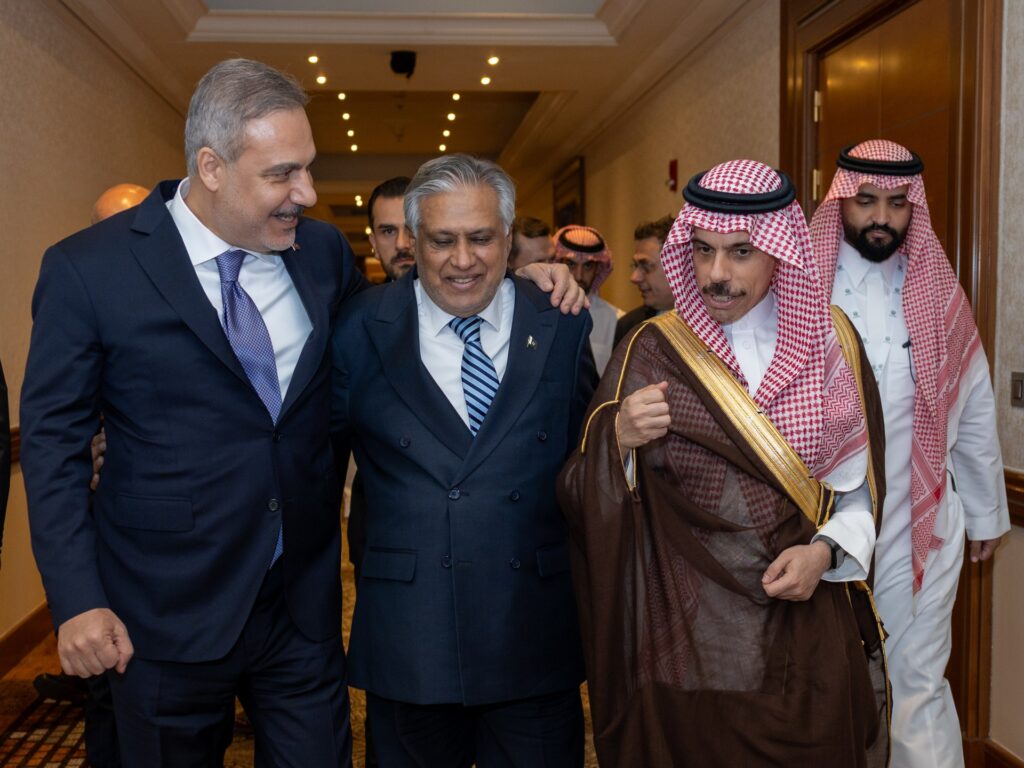
The agreement was announced following high-level meetings among defense officials and representatives of the three nations in Mecca, emphasizing the pact’s strategic importance and operational readiness. It represents a unified stance against non-state actors threatening regional security and marks a step forward in collective security arrangements in the Muslim world.
In summary, the Mecca Pact’s activation for military deployment signifies a robust collective defense initiative. It aims to deter further aggression by the Houthis, promote regional stability, and protect the sovereign interests of Türkiye, Pakistan, and Saudi Arabia amidst ongoing conflicts in Yemen.