In response to a significant resurgence of measles cases, New York State has officially declared a measles disaster, underscoring the severity of the outbreak and the urgent need for public health interventions. The United States had largely eliminated measles by the year 2000 due to widespread vaccination programs; however, recent years have seen a troubling increase in measles outbreaks across several states.
This resurgence has been attributed primarily to declining vaccination rates, fueled by misinformation about vaccine safety, vaccine hesitancy, and gaps in public health outreach and access. The measles virus is highly contagious and can lead to serious health complications, especially in young children and immunocompromised individuals.
Health officials in New York and other affected states have reported clusters of cases linked to unvaccinated populations, triggering localized outbreaks that have overwhelmed some healthcare systems. The declaration of a disaster in New York aims to mobilize additional resources, including funding and emergency response teams, to contain the spread and protect vulnerable communities.
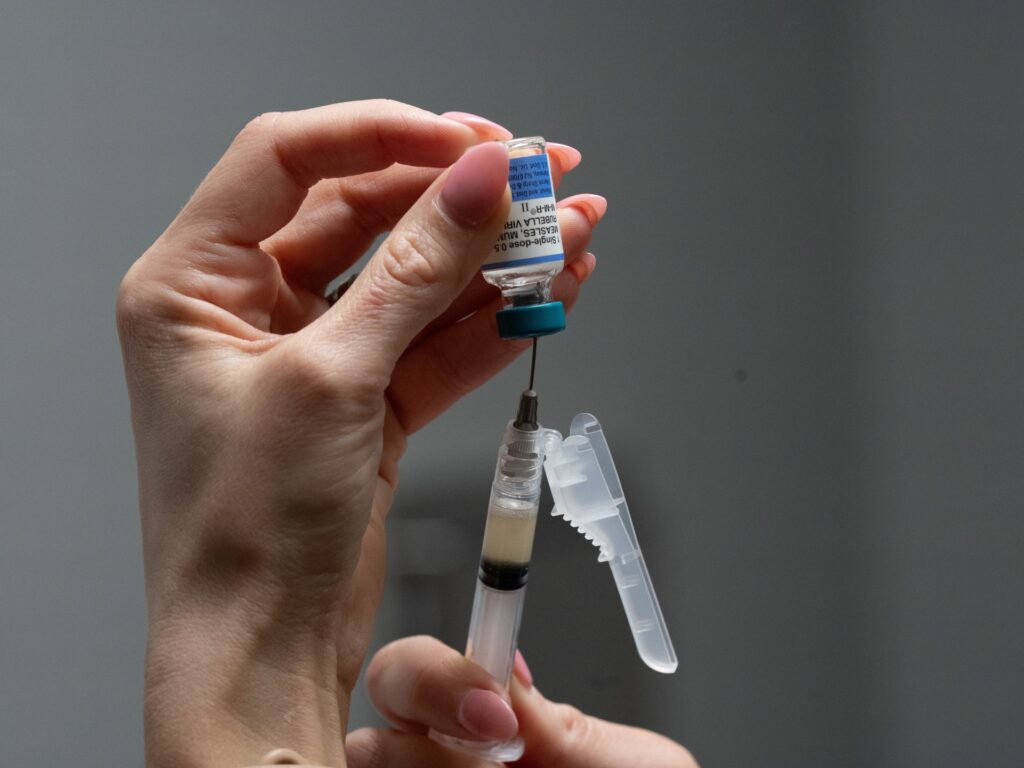
The Centers for Disease Control and Prevention (CDC) has emphasized the importance of vaccination as the most effective way to prevent measles and its complications. The MMR (measles, mumps, and rubella) vaccine is highly effective and has been a cornerstone of public health efforts to control these diseases.
Efforts to respond to the outbreak include increased vaccination campaigns, public education initiatives to combat misinformation, and enhanced surveillance to quickly identify and isolate cases. Schools and childcare facilities in affected areas have also implemented stricter vaccination requirements to prevent further transmission.
The declaration serves as a stark reminder of the consequences of lowered vaccination coverage and highlights the need for sustained commitment to immunization programs to prevent the return of eliminated diseases. Public health experts warn that without renewed efforts, measles and other vaccine-preventable diseases could regain a foothold, reversing decades of progress.
This development has prompted calls for stronger legislative measures to improve vaccination rates and reduce exemptions based on personal beliefs. It has also galvanized healthcare providers, community leaders, and policymakers to work collaboratively to strengthen the nation’s immunization infrastructure.
As New York undertakes this emergency declaration, other states are closely monitoring the situation, prepared to take similar actions if outbreaks continue to escalate. The resurgence of measles underscores the delicate balance between public health and individual choices, and the critical role that widespread vaccination plays in safeguarding communities.
In conclusion, the measles disaster in New York highlights the urgent need to address declining vaccination rates and reinvigorate efforts to eliminate measles once and for all. The health and wellbeing of millions depend on robust immunization coverage, effective public health responses, and a collective commitment to combating misinformation and vaccine hesitancy.