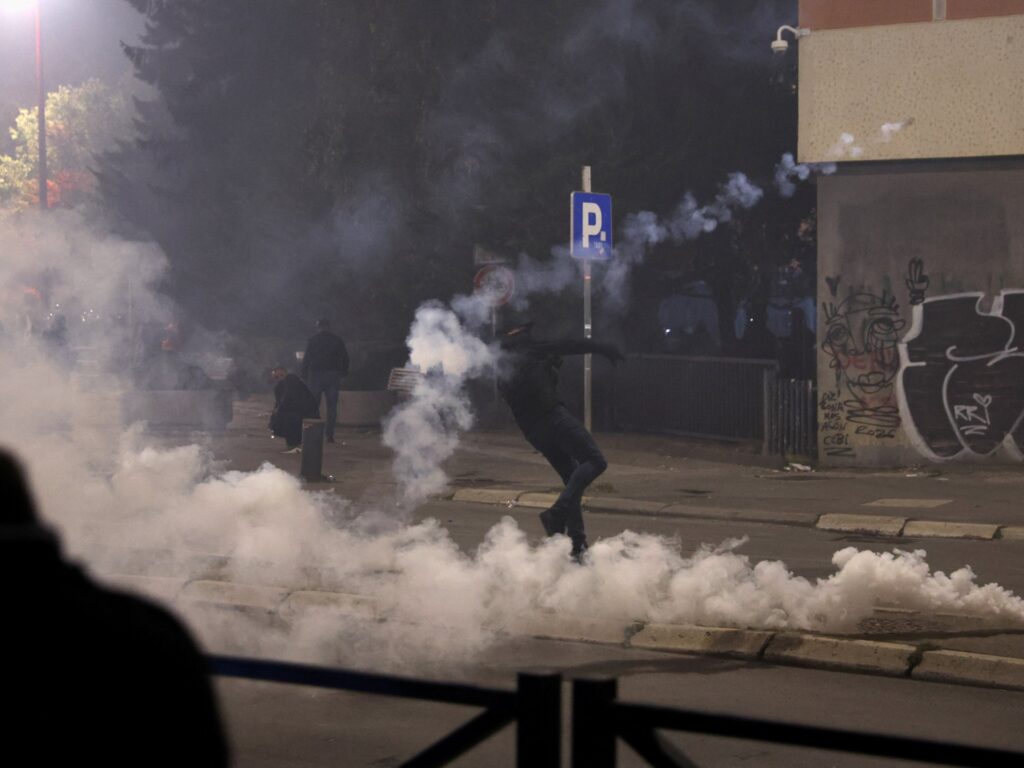
In a tense and escalating situation in Kosovo, police forces clashed with protesters who are demonstrating against government proposals to limit the activities of the Hague-based war crimes court. The court, formally known as the Kosovo Specialist Chambers, was established to prosecute serious crimes against humanity and war crimes committed during and after the Kosovo conflict of the late 1990s.
The protests have grown as the political dispute over the court’s jurisdiction and operation intertwines with the country’s efforts to organize a new presidential election. Many Kosovars view the attempt to curb the court’s authority as an affront to justice and a way to shield certain political and military figures from accountability.
The government argues that reforms are necessary to adjust the court’s scope and ensure national sovereignty, yet this stance has met fierce opposition both domestically and internationally. Protesters accuse officials of undermining the rule of law and diminishing Kosovo’s commitment to human rights and reconciliation.
Police interventions have been reported in several cities, with some demonstrations turning violent. Riot control tactics were employed to disperse crowds, prompting criticism from human rights organizations concerned about excessive force.
This clash occurs against the backdrop of delicate political negotiations aimed at scheduling and conducting a presidential election. The war crimes court issue has become a focal point, complicating talks and contributing to political instability.
The international community has expressed concern over the developments, emphasizing the importance of upholding judicial independence and ensuring a peaceful and democratic electoral process. Dialogue between stakeholders is encouraged to resolve the dispute and maintain progress on Kosovo’s path toward European integration and lasting peace.
As tensions remain high, the situation highlights the challenges Kosovo faces in balancing justice, governance, and political pluralism. The outcome of the current standoff could have significant implications for the country’s legal institutions and political landscape in the months ahead.