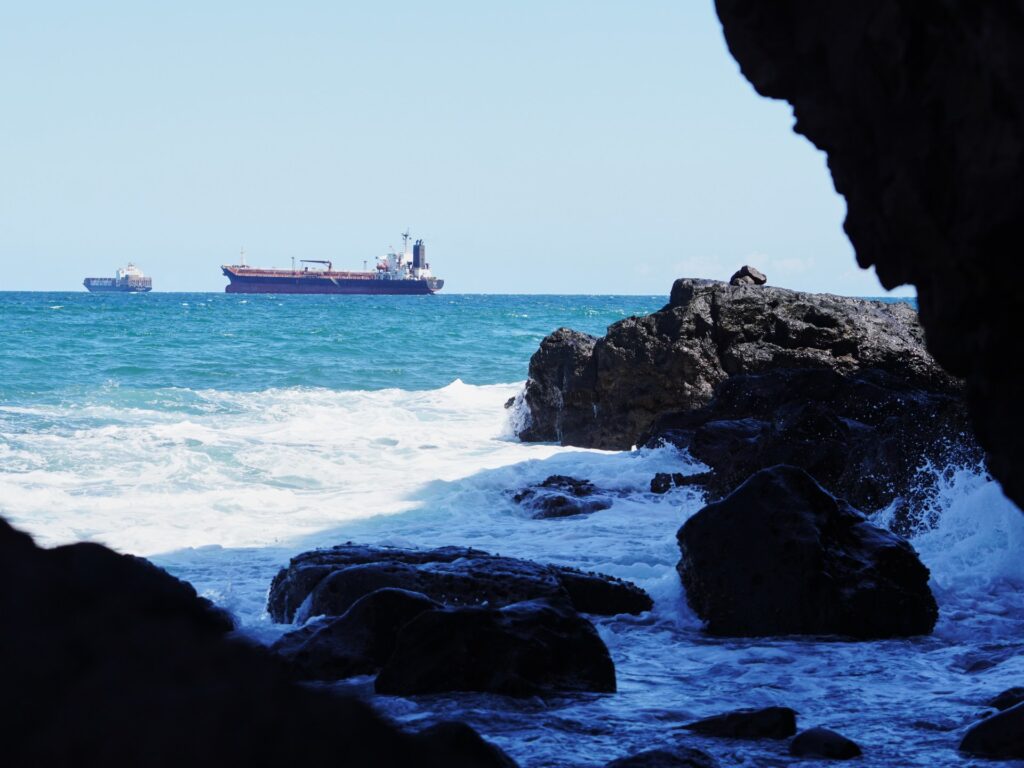
In a significant development in the ongoing Iran-related conflicts, Yemen forces have successfully reclaimed the strategic port city of Mocha from Houthi control. This victory marks a pivotal moment in the struggle over the region, underscoring a shift in control that could affect supply lines and military dynamics in the area.
Mocha, historically known for its critical maritime position along the Red Sea, has been under Houthi control for an extended period. The city’s recapture by Yemen forces disrupts the Houthis’ hold and weakens their strategic advantage, potentially altering the balance of power in the Yemen conflict.
Meanwhile, in a related regional security update, Turkiye and Pakistan have agreed to rapidly deploy their militaries to bolster Saudi Arabia’s security. This move is part of the Mecca defence pact, a collective agreement aimed at enhancing regional stability amid escalating tensions influenced by the Iran conflict.
The Mecca defence pact symbolizes a strengthened cooperation among Muslim-majority countries to counter threats and maintain security in the Gulf and the broader Middle East. Turkiye and Pakistan’s commitment to swiftly support Saudi Arabia demonstrates a unified stance against external and internal aggressions threatening the kingdom.
These developments come at a time of heightened geopolitical tensions involving Iran’s influence across the Middle East. Yemen’s strategic port city Mocha offers a critical foothold for controlling access to the Red Sea, a vital route for international shipping and military operations.
The recapturing of Mocha by Yemeni forces not only stymies Houthi advances but also curtails the reach of their Iranian backers, limiting Iran’s strategic depth in the region. This has implications for the ongoing conflicts in Yemen, where various factions vie for dominance, often reflecting larger regional rivalries.
The Mecca defence pact’s rapid military deployment by Turkiye and Pakistan underscores the urgency felt by allied nations to present a unified defense front. Saudi Arabia, as a central player in the Gulf, benefits from this alliance, which may deter further escalations and promote a collective security framework.
The pact highlights the convergence of interests among Turkiye, Pakistan, and Saudi Arabia, seeking to contain Iranian influence and safeguard key geopolitical and economic interests. These include the protection of oil shipping lanes and the prevention of destabilizing militant activities in the Gulf region.
Experts note that the renewed focus on military cooperation and territorial control reflects the complex nature of Middle Eastern conflicts, where local battles have far-reaching consequences for global stability.
The recapture of Mocha and the military deployments under the Mecca defence pact signal a potential shift towards greater regional coordination and assertiveness among Sunni-majority countries and their allies in response to perceived Iranian expansionism.
In summary, Yemen’s reclamation of Mocha combined with Turkiye and Pakistan’s commitment to Saudi Arabia’s defense marks an intensification of political and military maneuvers in an already volatile region. These actions may influence future diplomatic efforts, security strategies, and power alignments across the Middle East.
Continued monitoring of these developments is essential as they evolve, potentially reshaping the geopolitical landscape and affecting international maritime security, energy markets, and regional peace initiatives.