Vincent Brown, a former Rwandan official, has appeared in a UK court facing serious allegations related to the 1994 Rwandan genocide. Prosecutors accuse Brown of inciting and directing acts of violence during the early days of the brutal conflict that saw mass killings and human rights atrocities.
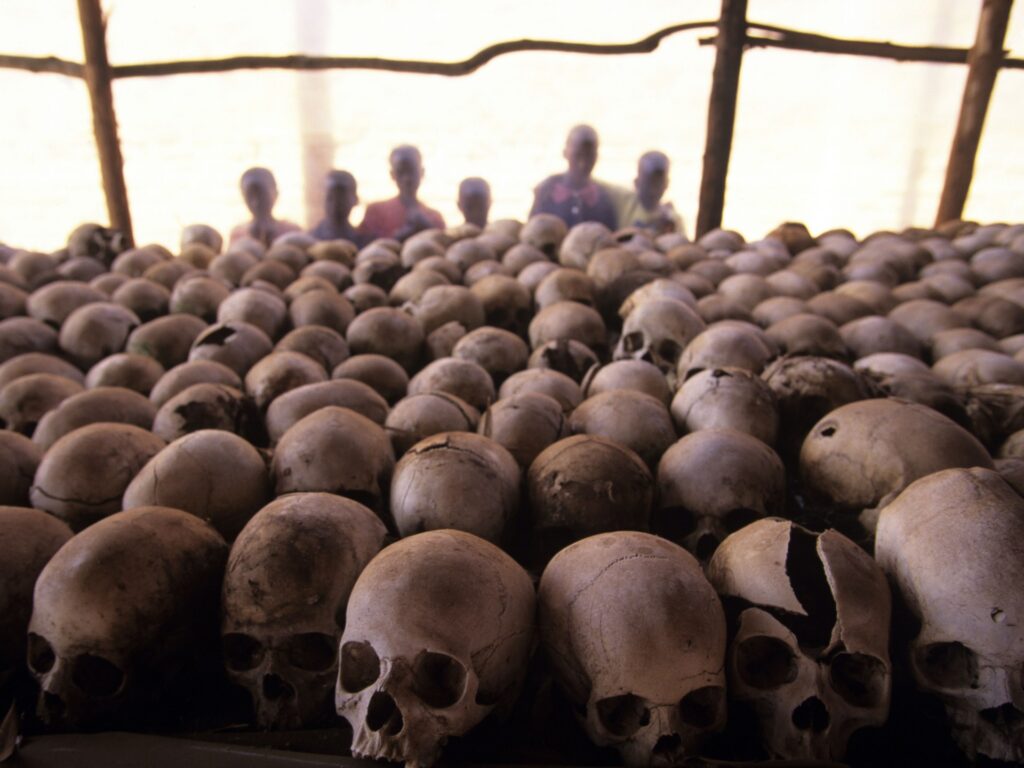
The 1994 Rwandan genocide was a tragic and devastating event marked by widespread ethnic violence primarily targeting the Tutsi minority population. Over approximately 100 days, an estimated 800,000 people were murdered in one of the fastest and most brutal genocides in modern history. The international community has since made ongoing efforts to bring justice to those involved in orchestrating and facilitating the genocide.
The UK trial of Vincent Brown represents an important step in international justice mechanisms aiming to hold individuals accountable for their actions during the genocide. Prosecutors claim that Brown’s role was not passive but active, asserting that he incited violence and gave directions that led to atrocities against civilians. These charges highlight the continuing global commitment to prosecuting crimes against humanity regardless of how much time has passed.
Brown’s trial will review evidence from the time of the genocide, including eyewitness accounts and documented communications suggesting his involvement. The legal process will examine his role in connection to specific violent incidents and whether he had authority or influence over armed groups responsible for the attacks.
This trial in the UK is part of a broader international effort where various courts have been established to try individuals accused of genocide and war crimes in Rwanda. The International Criminal Tribunal for Rwanda (ICTR) and national courts in Rwanda have already prosecuted many high-ranking officials. However, some suspects have remained abroad, making trials outside Rwanda necessary to ensure no impunity.
Human rights organizations and genocide survivors are closely watching the proceedings. Many see the UK trial as a crucial opportunity for justice and acknowledgement of the suffering endured by victims and their families. Ensuring accountability aims to discourage future atrocities and foster reconciliation in Rwanda and beyond.
Legal experts note that prosecuting historical genocide crimes presents challenges, including gathering credible evidence and dealing with decades-old memories. Nevertheless, they emphasize the importance of such trials in upholding the rule of law and international human rights standards.
Vincent Brown’s appearance in court underscores the persistent pursuit of justice for the victims of the Rwandan genocide. The trial’s outcome will likely have significant implications for international criminal law and the global fight against impunity for genocide and crimes against humanity.