Colombia has recently announced a significant shift in its firearm regulations by easing gun restrictions that have been in place for over a decade. This move marks a departure from the stringent policies aimed at curbing gun violence, sparking a range of reactions across the nation.
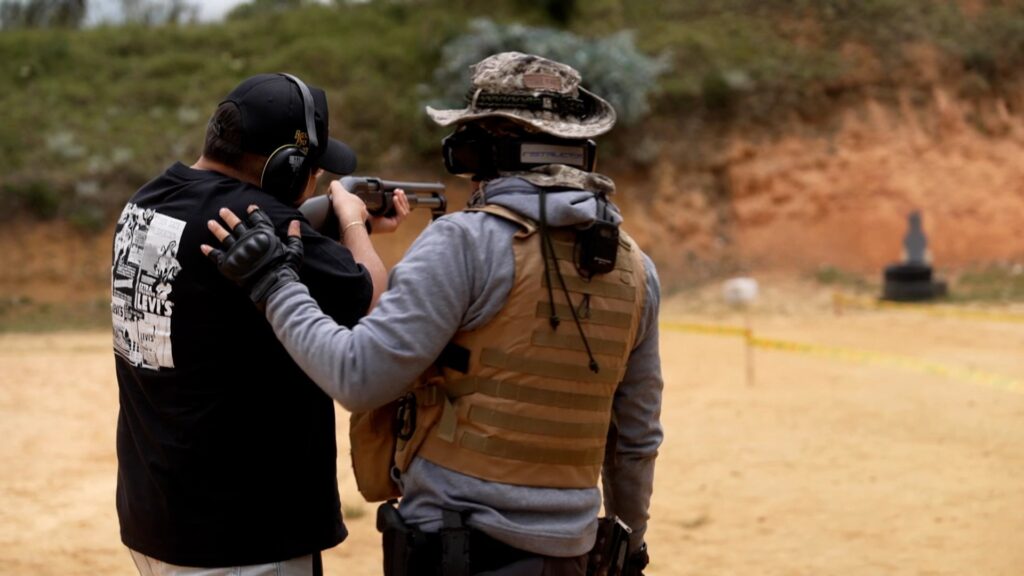
The new measures relax the rules surrounding firearm ownership and possession, making it easier for citizens to acquire and carry guns legally. Authorities argue that the change is designed to empower law-abiding citizens to defend themselves and to combat criminal activities more effectively.
However, this decision has been met with widespread apprehension from various sectors of society, including human rights organizations, security experts, and local communities. Critics warn that easing gun restrictions could exacerbate the existing violence problem rather than alleviate it.
Colombia has struggled with violence linked to drug trafficking, guerrilla warfare, and organized crime for decades. The previous stricter gun laws were implemented as part of broader efforts to control such violence and reduce the number of firearm-related incidents.
Since the relaxation of these laws, there are growing concerns that increased gun availability might lead to a surge in homicides, armed robberies, and confrontations between civilians and criminal groups. Experts highlight that access to guns often escalates conflicts and complicates policing efforts.
Furthermore, some fear that the availability of firearms could deepen social divisions and fuel local disputes, particularly in rural areas where law enforcement presence is limited. Communities previously reliant on negotiation and mediation may now face heightened threats as firearms become more commonplace.
On the other hand, supporters of the policy argue that responsible gun ownership can serve as a deterrent against crime, enabling citizens to protect themselves in high-risk environments. They claim that the previous restrictions left many vulnerable to criminals who did not abide by the law.
The government has emphasized the implementation of stricter background checks and training requirements alongside the easing of restrictions to ensure that only qualified individuals obtain firearms legally. Officials commit to monitoring the social impact of these changes closely.
As Colombia navigates this new phase in its approach to public safety, the impact of easing gun restrictions will be closely watched both nationally and internationally. The challenge remains to balance citizens’ rights to self-defense with the imperative of preventing further violence and promoting peace within communities.
This policy shift underscores the complex dynamics Colombia faces as it strives to secure lasting peace and safety for its population amid longstanding challenges posed by armed conflict and criminal violence.