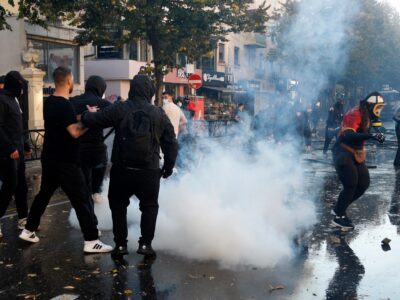
The Palestinian town of Biddu has come under intense military siege by Israeli forces, effectively transforming the town into a militarized zone. Reports indicate that Israeli troops have surrounded the town, restricting movement and enforcing stringent security measures that have severely disrupted the daily lives of its residents.
Biddu, a small Palestinian town located near Jerusalem, has historically been a site of tension due to its strategic location. However, the recent escalation marks a significant intensification, with Israeli forces establishing a persistent presence reminiscent of a military barracks.
Residents of Biddu have reported constant army patrols, checkpoints, and blockades that limit not only their freedom of movement but also access to essential services and supplies. The local population is facing hardships as the siege affects schooling, healthcare, and economic activity.
Human rights organizations have expressed concern over the situation, highlighting that such military measures may violate international laws regarding occupation and the treatment of civilians. The siege is seen as part of a broader policy that affects Palestinian towns around Jerusalem, aimed at controlling the region and limiting Palestinian autonomy.
Israeli authorities defend the military presence as a necessary security measure to prevent attacks and maintain order in a volatile area. However, critics argue that the tactics employed exacerbate tensions and contribute to a cycle of violence and mistrust.
The international community has called for restraint and urged both parties to pursue peaceful dialogue. Meanwhile, the people of Biddu are caught in the middle, struggling to maintain normalcy under the shadow of ongoing military operations.
This development in Biddu underscores the fragile and complex realities of the Israeli-Palestinian conflict, where towns and communities frequently find themselves frontline witnesses to political and military disputes. The siege not only affects the immediate wellbeing of Biddu’s residents but also highlights the enduring challenges in achieving a just and lasting peace in the region.