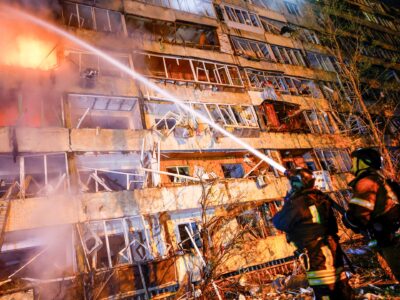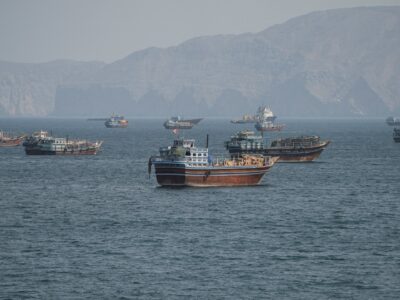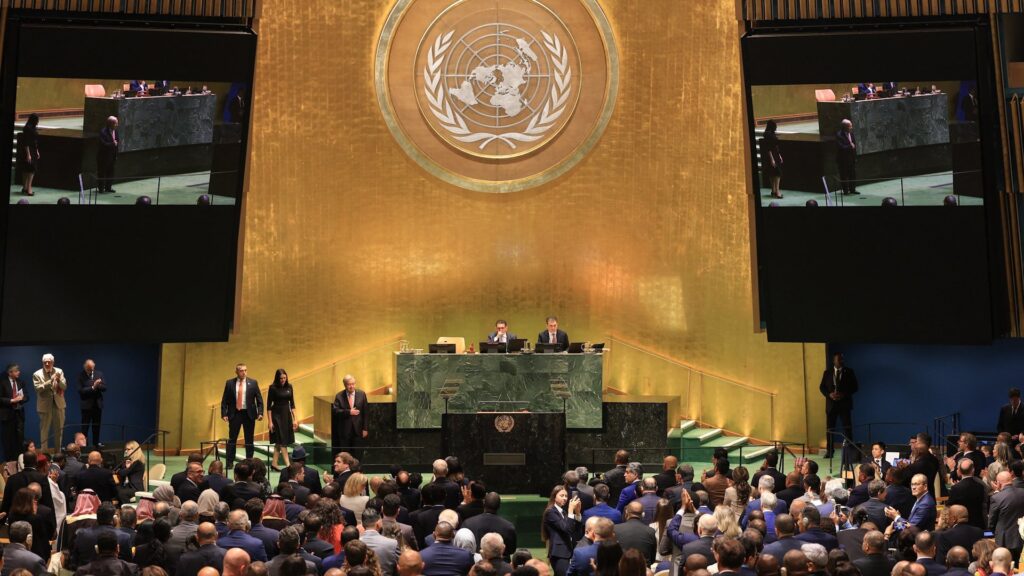
As the United Nations General Assembly (UNGA) prepares for its 2026 session, a pressing question arises: Can the UN stop wars? This question resonates deeply across regions affected by ongoing conflicts and violence. To understand public sentiment, Al Jazeera conducted interviews in Bangladesh, Gaza, and Nigeria, gathering diverse views on the UN’s role in conflict resolution.
In Bangladesh, a country with its own history of struggle for independence and peace, many express cautious hope. Citizens acknowledge the UN’s efforts in peacekeeping missions and humanitarian aid but remain skeptical about its effectiveness in preventing wars outright. One interviewee noted, “The UN tries to help, but sometimes it feels like their hands are tied by powerful countries’ interests.”
Meanwhile, in Gaza, the situation is even more complex. Living amid a protracted conflict, residents face daily uncertainties and violence. Many express frustration with the UN’s inability to enforce resolutions or halt hostilities. A local activist shared, “We see resolutions passed every year, but nothing changes on the ground. The UN seems powerless to protect our people.”
In Nigeria, where multiple conflicts including insurgencies, communal violence, and kidnappings occur frequently, opinions vary. Some appreciate the UN’s humanitarian support and mediation attempts, while others call for stronger intervention and more decisive actions. A community leader commented, “The UN’s presence brings hope, but peace will need commitment from all parties, including our own government.”
Experts suggest that the UN’s capacity to stop wars is constrained by its structure and reliance on member states’ political will. The Security Council’s veto power and competing national interests often limit decisive measures. Nevertheless, the UN remains a crucial platform for dialogue, peacekeeping, and humanitarian assistance.
As UNGA 2026 approaches, there is a shared call from citizens on the ground for reforms that could empower the UN to act more effectively. Strengthening peacekeeping mandates, enhancing conflict prevention mechanisms, and ensuring accountability for violations are among the proposed measures.
While the UN may not be able to stop all wars single-handedly, its role in fostering international cooperation and providing a forum for peaceful conflict resolution remains invaluable. The voices from Bangladesh, Gaza, and Nigeria remind us of the human stakes and the continuing need to strengthen global peace efforts through the United Nations.