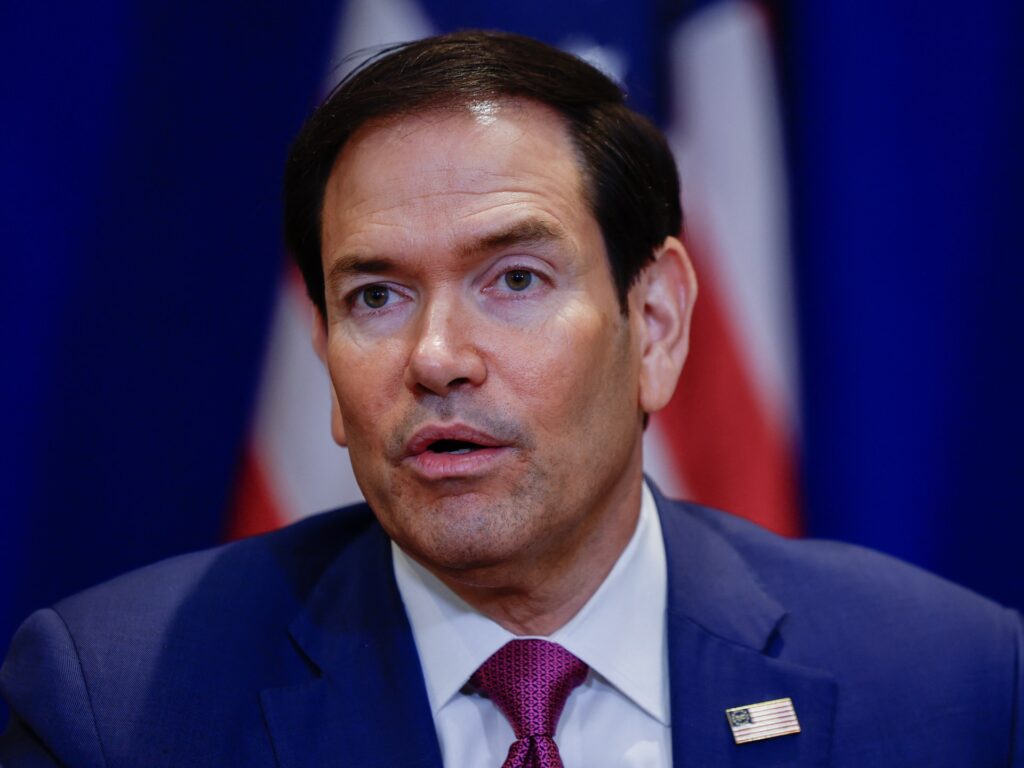
In a recent political controversy, Senator Marco Rubio has come out in defense of the Trump administration’s decision to ban several major news outlets, including CNN, MSNBC, and Politico, from the White House press pool. This move has ignited widespread debate about press freedom and the role of the media in government oversight.
The ban followed tensions between the Trump administration and these media organizations, which the White House accused of biased and unfair coverage. In response, the White House took the unprecedented step of suspending the traditional television pool, which included coverage by these networks.
Instead, the administration launched its own media platform dubbed ‘Trump TV,’ intended to serve as an alternative channel for broadcasting the president’s activities and statements directly to the public without intermediary media filters. This platform aims to offer real-time coverage of the President’s events and policies.
Senator Rubio defended the administration’s decision by stating that the move was necessary to counteract what he described as misinformation and unfair treatment by certain media outlets. He emphasized the importance of having direct communication channels from the president to the American people.
Critics argue that banning major news organizations from press briefings undermines the principles of transparency and accountability that are essential in a democratic society. They express concern that such actions can lead to a controlled narrative that favors the administration’s perspective while marginalizing dissenting voices.
Media experts have pointed out that the launch of ‘Trump TV’ could mark a significant shift in how the presidency interacts with the press, potentially reducing the role of independent journalism in political discourse. They warn that this development may set a precedent for future administrations to selectively engage with media outlets based on their coverage.
Supporters of the ban highlight that the modern media landscape is highly polarized, and that traditional news channels often display bias. They argue that ‘Trump TV’ provides a platform for unfiltered communication and offers viewers an opportunity to hear directly from the president without editorial interference.
The situation has also sparked discussions on the evolving nature of media consumption in the digital age, where streaming services and social media channels have become significant sources of news for many Americans.
The White House’s decision has prompted debates within political circles, with some lawmakers supporting the move as a strategic communication tool, while others caution against alienating established news organizations that play a critical role in the democratic process.
In conclusion, the ban enforced by the Trump administration on CNN, MSNBC, and Politico coupled with the creation of ‘Trump TV’ represents a notable moment in the relationship between the presidency and the press. It raises vital questions about media freedom, government transparency, and the future landscape of political communication in the United States.