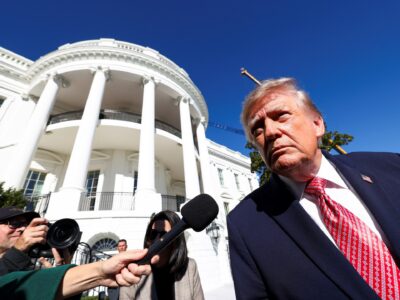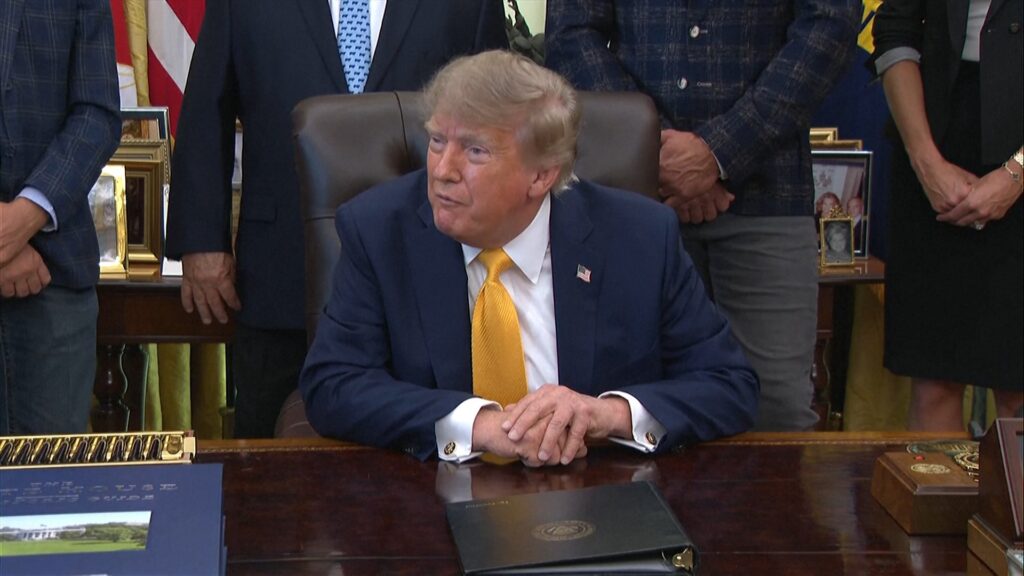
US President Donald Trump recently referred to the Iran conflict casualties as “small potatoes,” highlighting that only 18 American soldiers had lost their lives. During a statement, Trump attempted to draw a comparison between the Iran war and the much more devastating Vietnam War, implying that the losses in Iran paled in comparison.
The Iran war, which has seen ongoing tensions and military actions, unfortunately resulted in the deaths of 18 American servicemen, a figure Trump emphasized to diminish the public perception of the conflict’s impact on US forces.
In drawing parallels with the Vietnam War, which resulted in over 58,000 American deaths, Trump suggested that the current conflict’s toll was relatively minor in comparison. The Vietnam War is often remembered as one of the most significant and tragic military engagements in US history due to its length, intensity, and high casualty rate.
Trump’s remarks have sparked discussions about the way the government communicates wartime losses and the potential political motivations behind downplaying certain conflicts. Critics argue that any loss of American life is significant and should not be trivialized regardless of numerical comparisons.
Supporters of Trump point out that highlighting smaller casualty figures may be part of an effort to maintain public morale and support for ongoing military operations.
The conversation brings attention to the challenges leaders face in managing public perception and the complex realities of modern warfare.
Trump’s comments also raise questions about how historical wars are used as benchmarks in political rhetoric, with comparisons that can sometimes oversimplify the human cost of conflict.
The Iran war, although smaller in scale, remains a delicate issue with geopolitical implications and risks of escalation.
Military analysts note that while casualty numbers are important metrics, they do not fully capture the broader consequences of war, including political instability, humanitarian impacts, and long-term regional effects.
The US administration continues to navigate the complexities of its involvement in the Middle East, balancing military objectives with diplomatic efforts.
Public reaction to Trump’s comments has been mixed, reflecting the polarized nature of opinions on US foreign policy.
Families of fallen soldiers and veterans’ groups often emphasize the personal sacrifice behind every casualty figure, advocating for respectful discourse on such matters.
As the situation in Iran evolves, it is likely that discussions surrounding war casualties and political rhetoric will continue to be central themes in American discourse.
The comparison to Vietnam serves as a reminder of the profound human costs that wars can entail and the importance of acknowledging those losses fully and respectfully.