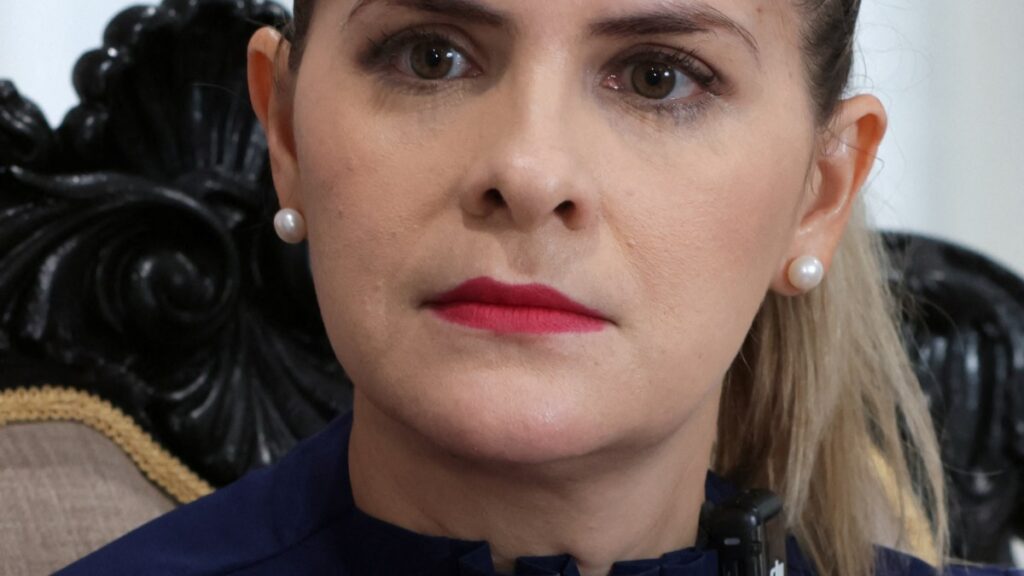
In a significant development regarding Costa Rica’s stance on foreign military presence, President Laura Fernandez has expressed openness to the possibility of allowing United States military operations within Costa Rican territory. This marks a notable shift in policy for the Central American nation traditionally known for its commitment to neutrality and the absence of a standing army.
President Fernandez emphasized, however, that any such military activities conducted by the United States would require prior approval from the Costa Rican Congress. This legislative oversight highlights Costa Rica’s intention to maintain sovereignty and democratic control over military engagements on its soil.
The president’s statement comes amidst growing discussions about regional security and cooperation between the United States and Central American countries in addressing transnational threats such as drug trafficking, organized crime, and humanitarian crises. The willingness to consider US military operations could enhance bilateral relations and increase joint efforts to stabilize the region.
Costa Rica’s historical position has been one of non-militarization and neutrality since abolishing its military forces in 1949, focusing instead on promoting peace and development. The potential shift toward allowing foreign military presence marks a departure from previous policy but also reflects evolving security challenges facing the country and its neighbors.
The requirement that Congress approve any US military involvement ensures that such decisions undergo rigorous democratic scrutiny and debate. It also allows for a transparent process that could address public concerns regarding sovereignty and foreign influence.
Public and political reactions within Costa Rica are likely to vary, with some sectors welcoming enhanced security cooperation and others wary of potential risks or infringements on the nation’s neutrality. The government may need to engage in extensive dialogue with citizens and stakeholders to navigate these complex issues.
This move opens the door for closer military collaboration between Costa Rica and the United States, potentially including joint training exercises, intelligence sharing, and humanitarian assistance missions focused on disaster response or health emergencies.
As regional security dynamics evolve, Costa Rica’s openness could serve as a model for other Central American nations balancing their historical principles with contemporary security exigencies. The dialogue on US military operations will undoubtedly continue within Costa Rica’s political institutions before any concrete agreements are made.
In summary, President Laura Fernandez’s announcement signals a pragmatic approach to national and regional security, emphasizing congressional oversight and democratic participation as essential components. It reflects Costa Rica’s adaptive strategy in facing complex challenges while maintaining core values of sovereignty and peace.