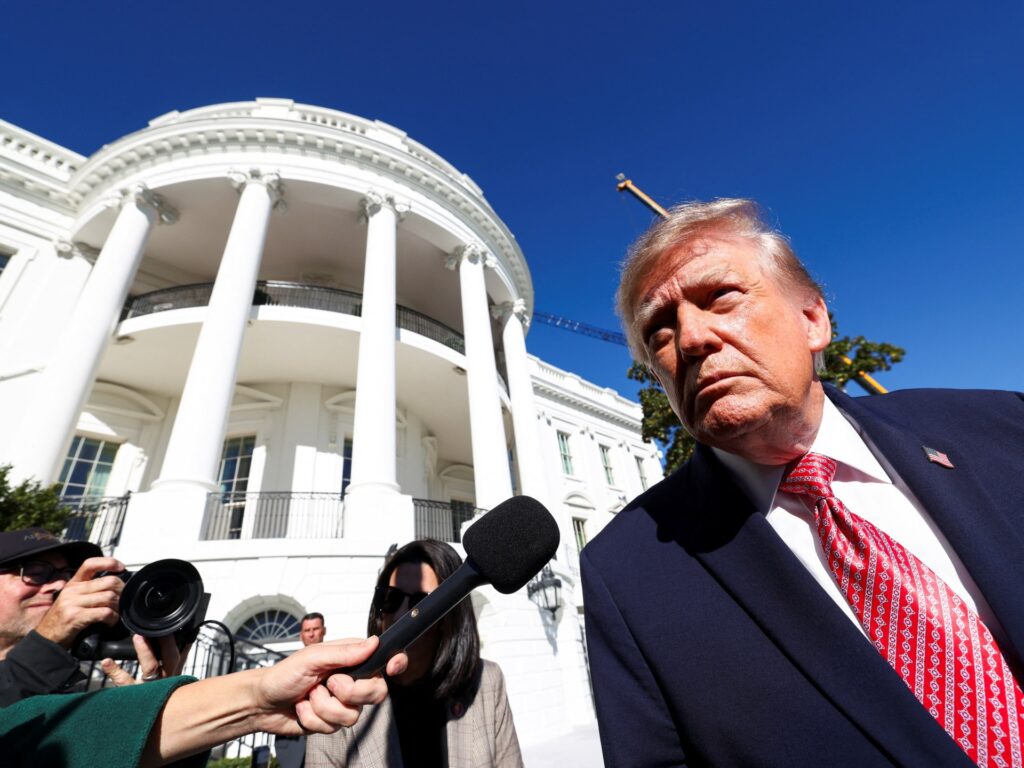
As the US midterm elections approach, former President Donald Trump’s approval ratings have reached a historic low, raising significant questions about the political landscape ahead. Typically, sitting presidents experience a drop in approval ratings before midterms, often due to voter fatigue and scrutiny of ongoing policies. However, Trump’s ratings not only reflect this trend but also suggest deeper divisions and frustrations within the electorate.
Trump’s approval ratings have fluctuated throughout his tenure and post-presidency, but recent polls indicate a steeper decline compared to previous midterm periods. Analysts suggest several factors contributing to this downturn, including controversies surrounding his administration, ongoing legal challenges, and his polarizing rhetoric that continues to divide public opinion.
The impact of low approval ratings on midterm elections is multifaceted. Historically, when a president’s popularity wanes, their party tends to lose congressional seats, as voters often use midterms to express dissatisfaction. For Republicans, Trump’s diminished favorability could translate into challenges in retaining key Senate and House seats, potentially altering the balance of power.
Moreover, Trump’s influence on Republican candidates remains strong, with many aligning themselves with his agenda to secure primary victories. This association, however, is a double-edged sword. While it can energize the party’s base, it may alienate moderate and independent voters crucial for winning general elections.
The drop in approval ratings also signals broader implications for policy and governance. A weakened mandate may hinder the administration and allied lawmakers in advancing legislative priorities. It could also embolden opposition parties, increasing political gridlock and complicating bipartisan cooperation.
In the lead-up to the midterms, campaigns across the country are adapting to the shifting dynamics. Democratic candidates are leveraging Trump’s low ratings to galvanize support, emphasizing themes of change and stability. Conversely, Republicans face the task of distancing themselves from negative perceptions without alienating core supporters.
Public sentiment is further influenced by economic conditions, social issues, and international affairs, all interwoven with perceptions of leadership effectiveness. Trump’s ratings encapsulate a complex interplay of these factors, reflecting not just opinions about him personally but broader concerns about the direction of the country.
As election day draws nearer, the consequences of Trump’s plummeting approval ratings will unfold, shaping voter behavior and party strategies. The midterms will serve as a critical barometer for the state of US democracy, testing resilience in a period marked by polarization and uncertainty.
In summary, while a dip in presidential approval ratings before midterms is common, the extent of Trump’s decline is unprecedented, signaling significant implications for the Republican Party, legislative agendas, and the overall political climate in the United States. Observers and participants alike will be closely watching how these dynamics influence the outcome of the upcoming elections and the future trajectory of American politics.