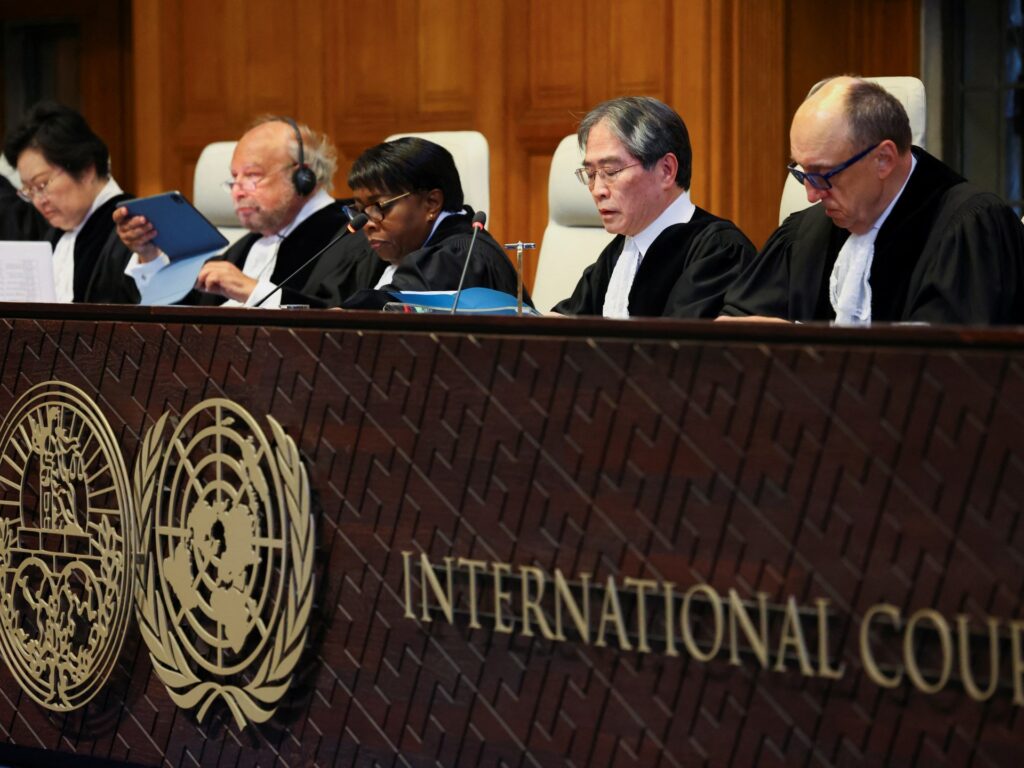
Vanuatu has renewed its call for France to accept the jurisdiction of the International Court of Justice (ICJ) in an escalating dispute over control of islands in the Pacific. The small island nation asserts that France’s continued governance over certain territories in the Pacific represents an outdated relic of colonialism.
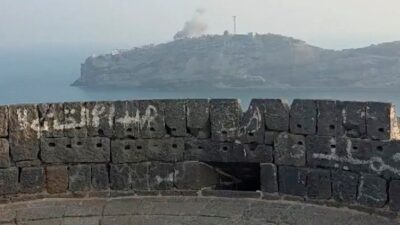
The dispute centers around several islands in the Pacific Ocean, with Vanuatu challenging France’s sovereignty and administration. Vanuatu accuses France of maintaining control through colonial-era policies that do not reflect the will of the island inhabitants. The call to recognize ICJ jurisdiction is seen as an effort by Vanuatu to peacefully resolve the matter through international legal mechanisms.
This conflict is unfolding amid a backdrop of heightened political tensions in France. The French far-right has leveraged the dispute as a political weapon, using nationalistic rhetoric to bolster their stance and influence domestic politics. They emphasize maintaining French territorial claims as a matter of national pride and sovereignty.
Observers note that Vanuatu’s insistence on involving the ICJ highlights its commitment to international law and the peaceful resolution of disputes. This approach contrasts with the more aggressive political use of the dispute within France, particularly by right-wing factions.
The situation has broader implications for Pacific geopolitics, where questions of sovereignty, colonial legacies, and indigenous rights remain sensitive and contested. The islands in question not only have strategic significance but also bear cultural and historical importance to the local populations.
French officials have yet to respond formally to Vanuatu’s latest push for ICJ jurisdiction acceptance. The international community is watching closely, as the outcome may set a precedent for similar disputes involving former colonial powers and their territories.
In the meantime, diplomatic efforts continue behind the scenes as stakeholders seek mechanisms to de-escalate tensions and find a mutually acceptable path forward. The dispute underscores the ongoing complexities and challenges faced by Pacific island nations in asserting their sovereignty against a backdrop of historical colonial influence.
Vanuatu’s stance positions it firmly within a broader movement among Pacific island nations advocating for recognition of their rights and sovereignty on the global stage. The outcome of this dispute could influence regional dynamics and inspire other nations with comparable grievances.
As this legal and political contest unfolds, the international community remains hopeful for a resolution grounded in law, respect for self-determination, and peaceful negotiation rather than confrontation and political posturing.