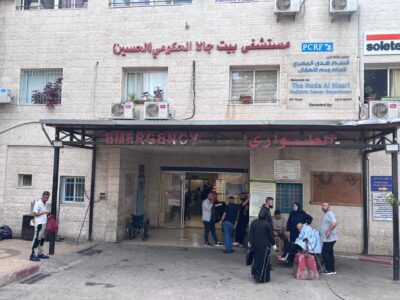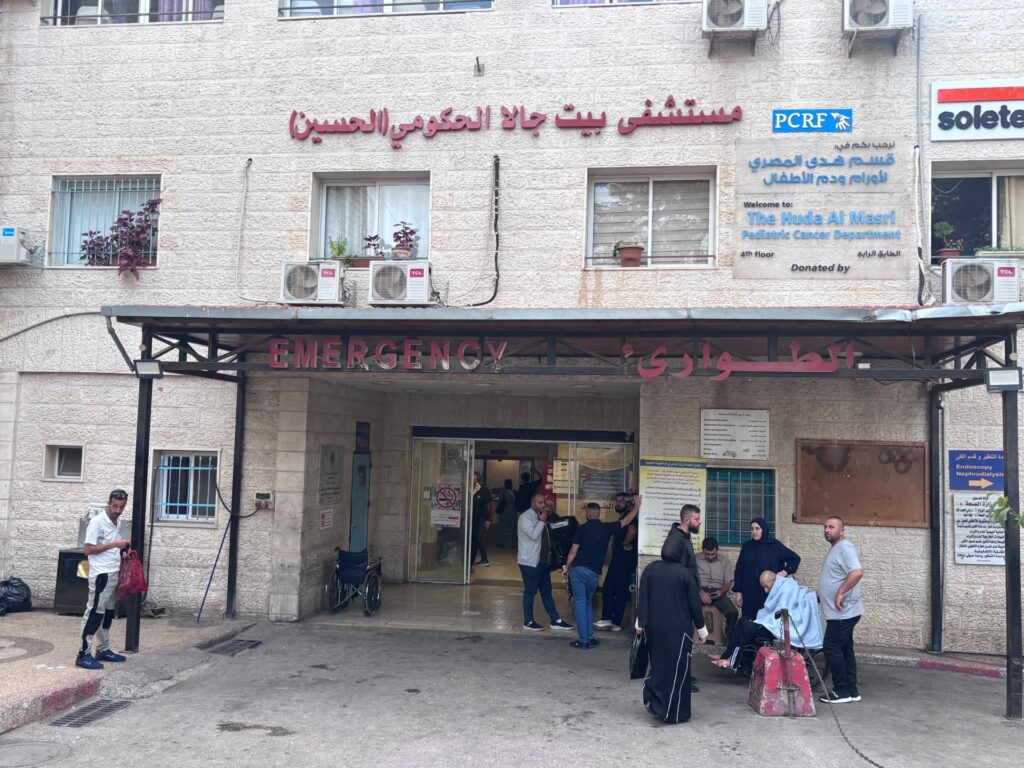
The healthcare system in the occupied West Bank is facing a severe crisis as hospitals suffer from a critical shortage of funds. Israel’s recent blockade on the Palestinian Authority (PA) funding has intensified financial pressures, jeopardizing the delivery of essential medical services across the region.
Hospitals in the West Bank rely heavily on funding from the Palestinian Authority, which in turn depends on various sources, including international aid and tax revenues collected by Israel on behalf of the PA. However, recent policies and political tensions have led to the withholding of these crucial funds, creating an urgent and unprecedented crisis in the healthcare sector.
Medical professionals and hospital administrators report drastic cutbacks in resources, impacting patient care and the ability to maintain adequate medical supplies. Equipment maintenance, staff salaries, and procurement of essential medicines are among the areas most affected by the shortage. Many healthcare facilities are operating on the brink of closure, prompting concerns from both local and international health organizations.
The blockade has come at a time when the demand for medical services in the West Bank is growing, due to an increasing population and the ongoing effects of the COVID-19 pandemic. The shortage threatens to reverse progress made in healthcare infrastructure and public health outcomes in recent years.
International observers and humanitarian groups have called on Israel and the Palestinian Authority to resolve their disputes and ensure uninterrupted funding for healthcare services. They emphasize that the well-being of civilians should not be held hostage to political disagreements.
The Palestinian Ministry of Health has appealed for international support to bridge the funding gap and sustain vital medical operations. There is an urgent need for coordinated efforts to stabilize the healthcare system and prevent further deterioration that could lead to a humanitarian disaster.
Experts warn that if the blockade continues, the repercussions will extend beyond immediate health concerns. Long-term damage to the West Bank’s healthcare infrastructure could undermine resilience against future crises and exacerbate inequality in access to medical care.
This funding crisis highlights the broader challenges faced by the Palestinian territories amid ongoing conflict and political instability. The blockade on medical funding is not only a health issue but also a reflection of the deep-rooted complexities of the Israeli-Palestinian conflict.
Efforts to mediate and facilitate dialogue between the involved parties remain critical. Ensuring sustainable health financing and governance mechanisms is essential to protect the rights and dignity of the West Bank’s population.
In conclusion, the current blockade on PA funding by Israel has precipitated a healthcare emergency in the West Bank, imperiling hospitals and medical services. Immediate and coordinated international action is needed to alleviate the crisis and uphold the health and human rights of the Palestinian people.