The World Health Organization (WHO) has issued a stark warning about an impending health crisis in Gaza as the region approaches the rainy season. The Palestinian enclave, already grappling with poor water quality amidst ongoing conflict, faces exacerbated risks of disease and health complications due to anticipated flooding.
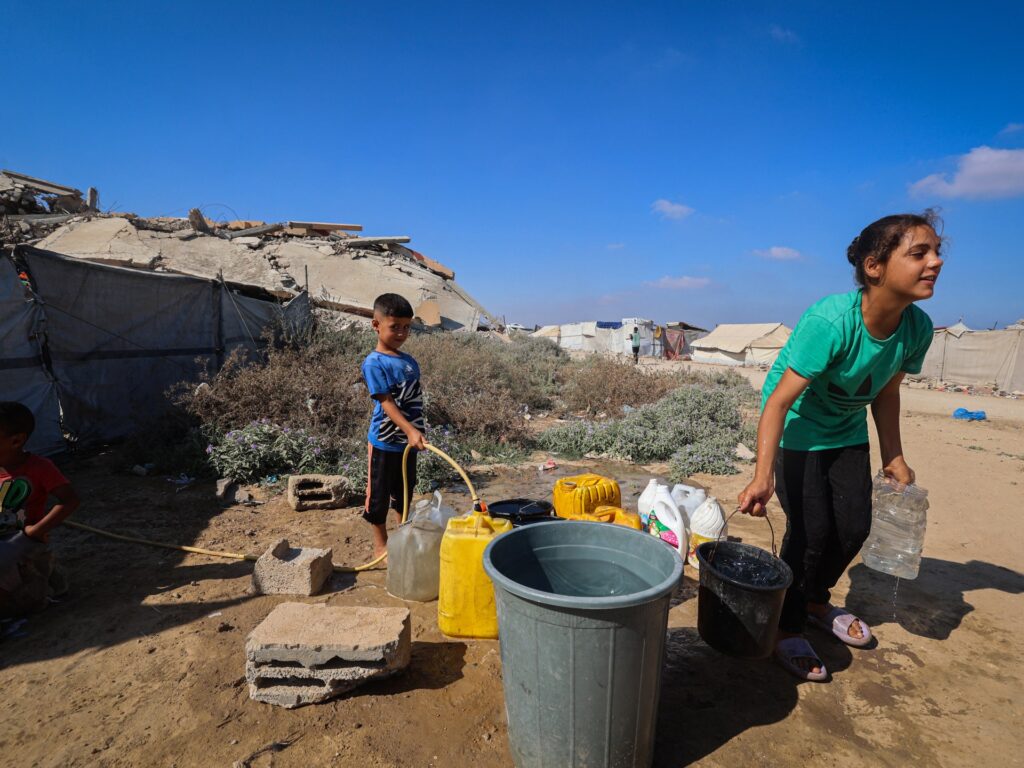
Gaza’s water infrastructure has been severely compromised by years of conflict, leading to widespread contamination and inadequate access to clean water. This has resulted in a precarious health environment where waterborne diseases are already a concern.
With the rainy season imminent, the potential for flooding significantly increases the threat level. Floodwaters can mix with contaminated water sources, spreading pathogens more widely and overwhelming the already fragile healthcare systems.
The United Nations agency highlighted that the poor drainage and sewage systems in Gaza could lead to the stagnation of polluted waters, heightening exposure to harmful bacteria and viruses. This scenario could lead to outbreaks of diseases such as cholera, dysentery, and other gastrointestinal infections.
The agency’s warning comes at a time when Gaza’s medical infrastructure is stretched thin. Hospitals and clinics face shortages of essential supplies and staff, making it challenging to cope with an influx of water-related illnesses.
The combination of heavy rains, infrastructure damage, and limited resources creates a perfect storm for a public health emergency. WHO is urging all parties involved to prioritize measures to mitigate the impact of the rainy season on health.
Preventive measures recommended include improving water sanitation, ensuring access to clean drinking water, proper waste disposal, and public health education to inform residents about the risks and precautions.
Additionally, the international community’s support is critical. Humanitarian aid focused on bolstering Gaza’s health and water infrastructure is vital to prevent a large-scale disaster.
In summary, as Gaza moves into the rainy season, a health crisis is looming. With already compromised water quality and the threat of flooding, there is an urgent need for coordinated efforts to safeguard the health of the population and avoid a catastrophic outbreak of diseases.