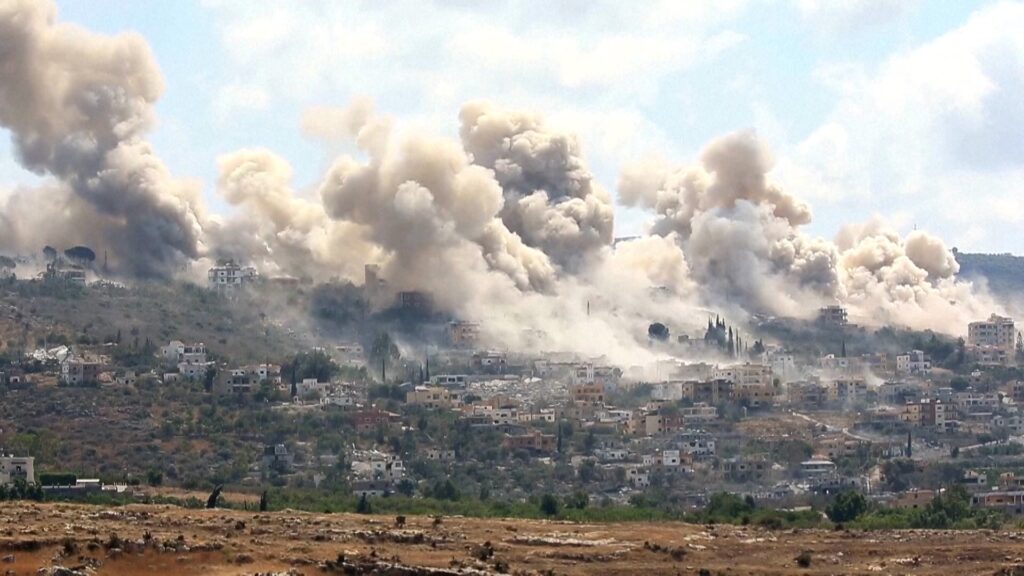
On Tuesday, the village of Mansouri in southern Lebanon was rocked by a large explosion amid renewed Israeli airstrikes, once again forcing residents to flee. The renewed aerial bombardment marks an escalation in the ongoing tension in the region, raising concern among local inhabitants and international observers alike.
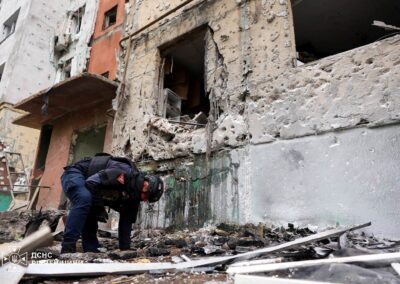
Mansouri, a village that has witnessed conflict spillover in the past, experienced a sudden and powerful explosion due to Israeli airstrikes targeting specific locations in the area. The blast shook the community, damaging infrastructure and further destabilizing an already precarious situation in southern Lebanon.
Residents of Mansouri, many of whom had briefly returned or remained despite prior conflict, were forced to evacuate their homes hurriedly. The disruption of civilian life, destruction of property, and the psychological toll on residents are profound.
The renewed strikes come amid a backdrop of escalating tensions along the Lebanese-Israeli border. Israeli officials have cited security concerns and attempts to target militant groups operating near the border as justifications for the strikes. Conversely, local authorities and humanitarian organizations have condemned the attacks, emphasizing the impact on civilians and calling for restraint.
International agencies have voiced alarm over the increased hostilities and the potential for further escalation. The United Nations and various NGOs have urged all parties to exercise maximum restraint to prevent a broader conflict that could destabilize the region further.
The explosion in Mansouri is emblematic of the fragile security situation in southern Lebanon. Over the years, the area has witnessed intermittent clashes, airstrikes, and occasional ground confrontations as Israel and Lebanese factions remain locked in a complex and volatile dispute.
Residents’ repeated displacement highlights the humanitarian challenges posed by the ongoing conflict. Access to essential services such as healthcare, education, and basic amenities remains precarious in affected areas. Many families face uncertainty about their future and the safety of returning to their homes.
The international community continues to monitor developments closely. Diplomatic efforts have been ongoing to de-escalate the situation and revive ceasefire agreements, but durable peace remains elusive.
As Mansouri recovers from the latest attack, the resilience of its people is tested anew. They hope for stability and peace, yet face the harsh reality of living in a zone frequently subjected to violence.
This recent incident serves as a stark reminder of the human cost of the ongoing conflict and the urgent need for sustainable solutions to prevent further suffering in southern Lebanon and the wider region.