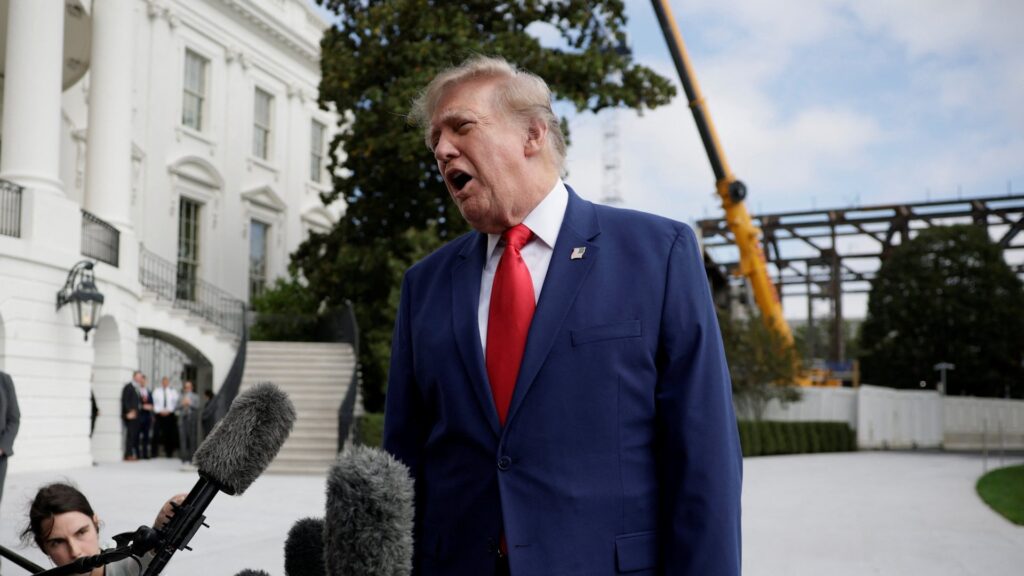
US President Donald Trump has made a significant decision to waive further sanctions on Russia, a move aimed at easing rising energy prices in the United States. This action marks a notable shift in the US’s stance towards Russia amid ongoing geopolitical tensions. The decision comes at a time when relations between Trump and Ukrainian President Volodymyr Zelenskyy have reportedly deteriorated, adding complexity to the US’s foreign policy in Eastern Europe.
The sanctions relief is expected to impact several sectors, particularly energy markets, potentially lowering the costs of fuel and electricity for American consumers. However, this move has drawn criticism from various quarters within the US government and international allies, who see it as undermining efforts to hold Russia accountable for its actions in Ukraine and other contested regions.
Experts suggest that the waiver of sanctions could be interpreted as a strategic maneuver by the Trump administration to stabilize domestic energy prices ahead of upcoming elections, while also recalibrating the US approach towards Russia. This comes amid escalating tensions in the region, where Russia’s activities have been a source of concern for NATO and its allies.
The deterioration in the relationship between Trump and Zelenskyy adds another layer of complexity. The two leaders have had public disagreements over military aid to Ukraine and the handling of the conflict with Russia. The sanctions waiver may be seen as undermining Zelenskyy’s position and efforts to garner international support against Russian aggression.
Analysts are watching closely to see how these developments will influence the broader geopolitical landscape. The move could signal a shift in US foreign policy priorities, balancing between domestic economic concerns and international strategic interests. The ongoing rift between Trump and Zelenskyy raises questions about the consistency and reliability of the US as a partner in dealing with the conflict in Eastern Europe.
As the situation unfolds, stakeholders are calling for careful consideration of the long-term implications of easing sanctions on Russia. The decision highlights the challenging trade-offs faced by policymakers as they navigate between economic pressures at home and the complex dynamics of global diplomacy.