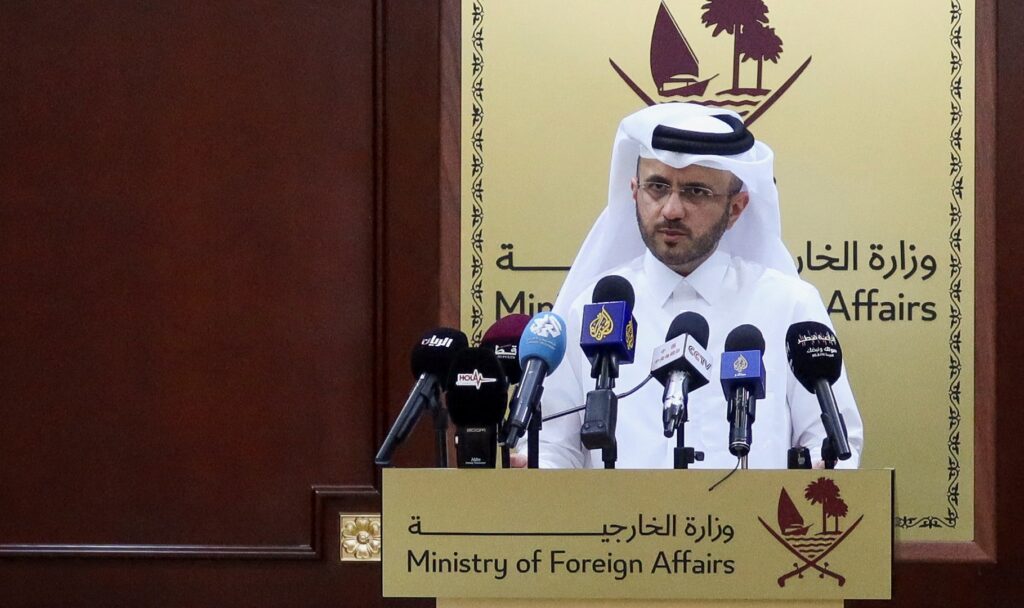
Qatar has announced ongoing efforts aimed at resolving the conflict between Iran and the United States and reopening the strategically vital Strait of Hormuz. This critical waterway remains a focal point for global energy security, and Qatar’s initiatives seek to ease tensions that have led to significant geopolitical instability in the region.
Alongside this, Qatar has issued strong criticisms towards Israel, accusing it of taking advantage of existing regional conflicts to enforce new realities in areas such as Palestine, Lebanon, and Syria. These accusations highlight the complex and intertwined nature of Middle Eastern politics, where multiple conflicts influence each other and impact broader peace efforts.
Qatar’s diplomatic moves underline its role as a mediator striving to foster dialogue and reduce hostilities among key players in the Middle East. By pushing for the reopening of the Strait of Hormuz, Qatar aims to stabilize a critical energy supply route that has been vulnerable due to the ongoing Iran-US tensions.
The accusations against Israel reflect broader concerns shared by various regional actors about the consequences of Israeli policies in neighboring countries, potentially exacerbating instability and undermining prospects for lasting peace.
Collectively, these developments emphasize Qatar’s strategic commitment to promoting peaceful resolutions and addressing multifaceted challenges in a region marked by longstanding mistrust and conflict. Qatar’s efforts could pave the way for de-escalation and constructive engagement among nations involved in these disputes.
As tensions persist, international observers are closely monitoring Qatar’s mediation efforts, hoping that dialogue and diplomacy will prevail over confrontation, ensuring security and stability in one of the world’s most volatile regions.