The United Nations Interim Force in Lebanon (UNIFIL) has reported a significant increase in military activity in the region, highlighting the severe impact on civilians caught in the crossfire. Over the past two weeks, UNIFIL recorded an average of 137 projectiles fired daily, marking a substantial escalation in hostilities between Israeli forces and groups operating in Lebanon.
This surge in conflict has placed immense pressure on local communities, disrupting daily life and endangering civilian lives. UNIFIL’s monitoring activities have revealed that the increased military actions are not confined to strategic targets but have also affected residential areas, amplifying the risks for non-combatants.
The heightened state of violence comes amid ongoing tensions in the region, with both sides engaging in intensified military maneuvers. The Israeli military’s decision to escalate operations in Lebanon has drawn concern from international observers, who emphasize the need for restraint to prevent further deterioration of the humanitarian situation.
UNIFIL, tasked with maintaining peace and security along the Lebanon-Israel border, has reiterated calls for all parties to exercise maximum restraint and adhere strictly to international humanitarian law. The force has also intensified its efforts to provide protection and assistance to civilians affected by the conflict.
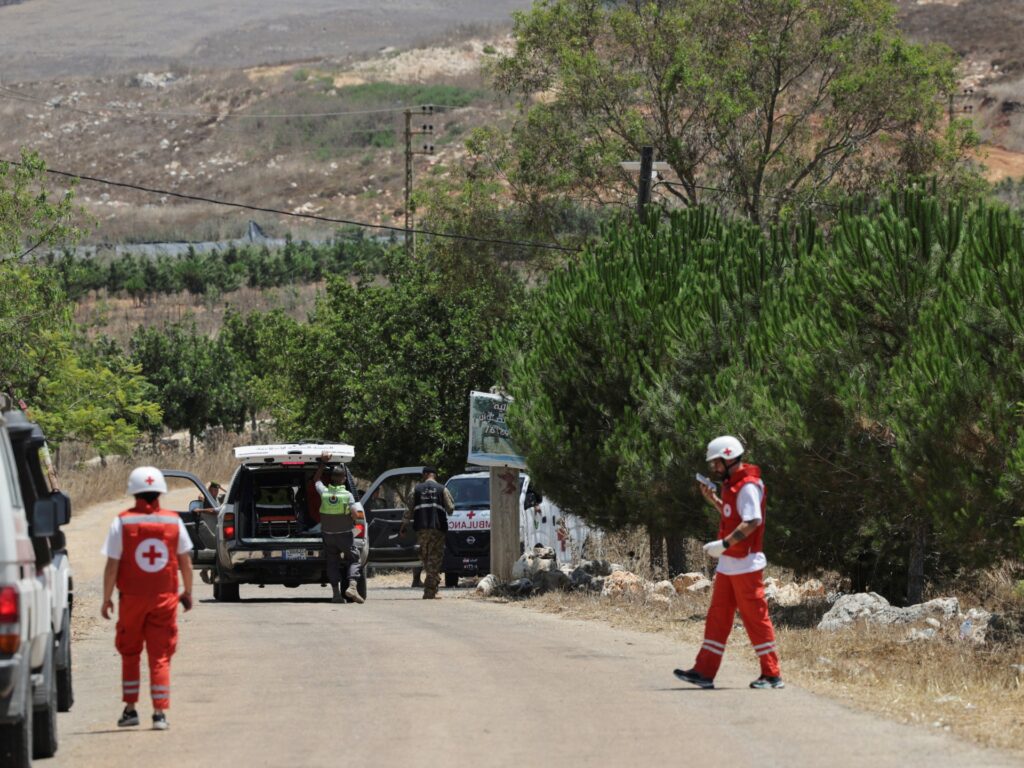
Reports indicate that the increase in projectile fire includes a variety of explosives, ranging from rockets and missiles to artillery shells. The frequency and intensity of these attacks have overwhelmed local emergency services, complicating rescue and medical operations.
Local residents, many of whom live in vulnerable conditions, express growing fears for their safety. The ongoing violence has led to displacement, with families forced to seek refuge away from conflict zones. Humanitarian agencies operating in Lebanon report challenges in delivering aid due to the unstable security situation.
The international community has expressed alarm over the escalation, urging dialogue and a peaceful resolution to the tensions. Diplomatic efforts continue to aim at facilitating negotiations between the conflicting parties to prevent further bloodshed.
UNIFIL’s role remains crucial in monitoring ceasefire agreements and facilitating communication to reduce misunderstandings that could lead to unintended escalations. However, the increased military activity has strained the force’s resources and complicated its mandate.
In summary, the recent weeks have seen a dramatic increase in conflict intensity in the Lebanon-Israel border region, with civilians bearing the brunt of the violence. The UN peacekeeping force’s reports underscore the urgent need for de-escalation and renewed diplomatic engagement to safeguard human lives and restore stability to the area.