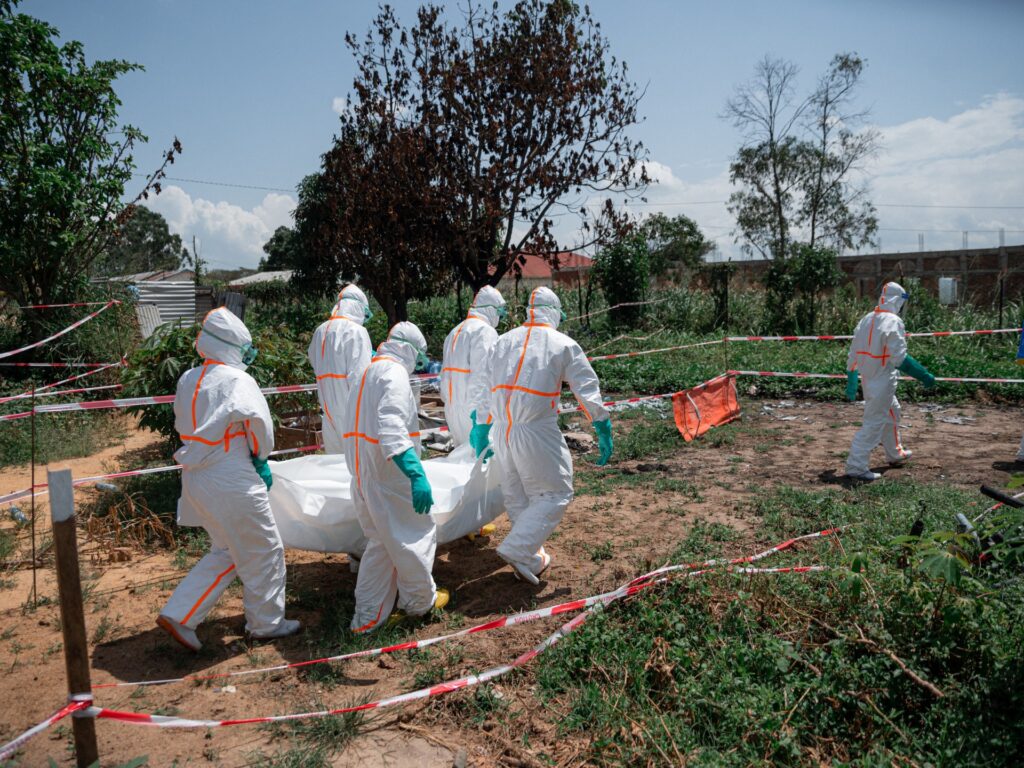
The Democratic Republic of Congo (DR Congo) is currently grappling with its deadliest Ebola outbreak in history, prompting urgent international concern and response. A top United Nations official has emphasized the need for ‘speed, scale, and solidarity’ to counter this escalating health crisis before the virus gains even more ground.
Ebola, a severe and often fatal illness characterized by fever, severe bleeding, and organ failure, has once again devastated communities in DR Congo. This latest outbreak surpasses previous instances in both the number of confirmed cases and fatalities, presenting unprecedented challenges for healthcare workers and authorities.
The complexity of the situation is compounded by the region’s fragile health infrastructure, ongoing conflicts, and community mistrust, all of which hinder efforts to contain the virus quickly. Swift, large-scale interventions are deemed critical to prevent further spread and save lives.
International organizations, including the World Health Organization (WHO) and the United Nations, have mobilized resources and personnel to assist local efforts. These include deploying medical teams, increasing treatment centers, and enhancing surveillance and contact tracing activities.
Vaccination campaigns are a key component of the response strategy. The use of Ebola vaccines has shown effectiveness in previous outbreaks, but challenges such as vaccine hesitancy and logistical barriers persist in the affected regions.
Solidarity among global partners, donor governments, non-governmental organizations, and local communities remains vital. Coordinated efforts can ensure adequate funding, resource distribution, and community engagement required to manage the outbreak effectively.
Health officials warn that without intensified actions, the virus could spread to new areas, further destabilizing fragile zones already facing humanitarian crises.
Efforts are underway to improve public communication and education about Ebola transmission and prevention, aiming to dispel myths and reduce stigma associated with the disease.
The outbreak’s magnitude underscores the critical importance of preparedness and rapid response strategies in combating infectious diseases in vulnerable settings.
In conclusion, the ongoing Ebola outbreak in DR Congo represents the deadliest in the country’s history, with a grave need for enhanced speed, scale, and solidarity in response efforts. Global cooperation and sustained commitment are essential to curb the virus’s spread and protect affected populations from this life-threatening disease.