The ongoing tensions between the United States and Iran have raised concerns about the possibility of military conflict. However, experts warn that a war on Iran may not achieve the U.S. objective of regime change and could instead strengthen Iranian nationalism.
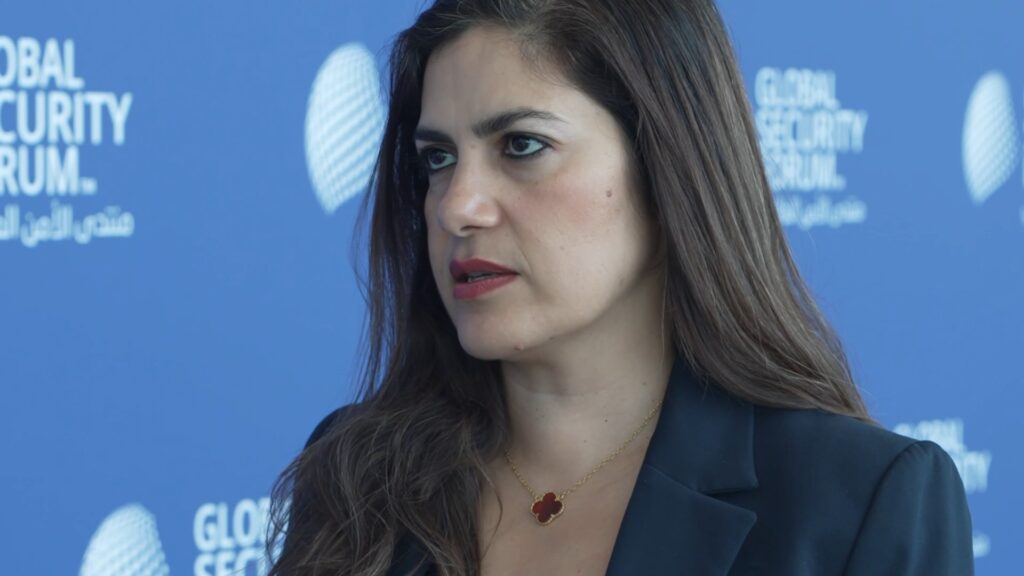
According to Mortazavi, the war on Iran carries significant risks for the U.S. strategy. Rather than weakening the government, military aggression might unify the Iranian population in defense of their nation. Historically, external threats have bolstered Iran’s national identity and resilience, fostering a strong sense of unity among diverse groups within the country.
The concept of regime change has often been a cornerstone of U.S. foreign policy in the Middle East, but Iran presents unique challenges. The country’s complex social fabric, deep-rooted revolutionary ethos, and distrust of foreign intervention are formidable obstacles to external efforts to reshape its leadership.
Mortazavi emphasizes that the Iranian regime utilizes the presence of foreign adversaries to legitimize its rule and rally popular support. War or the threat of war acts as a powerful tool for the authorities to consolidate power by appealing to nationalist sentiments and portraying themselves as defenders of the homeland.
Moreover, the consequences of military action could extend beyond Iran’s borders, further destabilizing the regional balance of power. Neighboring countries could be drawn into the conflict, exacerbating existing conflicts and fostering broader instability.
Additionally, international opinion may turn against the U.S. if it pursues aggressive policies perceived as unjustified or unilateral. Increased hostility could damage America’s global standing and diminish its ability to build coalitions for future diplomatic initiatives.
Economic considerations also play a critical role. Iran’s economy, though impacted by sanctions, is resilient and connected to global markets through various networks. War could disrupt energy supplies and global trade, triggering widespread economic ramifications.
Diplomacy remains the preferred avenue for addressing issues with Iran. Efforts to engage Tehran through dialogue offer the potential for more sustainable solutions that respect international norms and minimize harm to civilians.
History has shown that regime change often comes at a high cost, including prolonged conflict, humanitarian crises, and unintended consequences that undermine original goals. Avoiding direct military conflict may prevent further suffering and allow for strategic alternatives to emerge.
In summary, the war on Iran is likely to strengthen nationalist resolve rather than lead to the collapse of its leadership. Mortazavi’s analysis suggests that U.S. policymakers should carefully consider the risks and benefits of military options while prioritizing diplomatic engagement to achieve long-term regional stability.