The African Union (AU) is at a critical juncture in its mission to bring stability and peace to Sudan, a country torn by conflict and political turmoil. The AU’s efforts to mediate and coordinate peacekeeping operations face significant challenges due to divisions both on the battlefield and within diplomatic circles.
Sudan has been embroiled in violent clashes and civil unrest, leading to widespread humanitarian crises and displacement of millions. The AU, as a regional body tasked with promoting peace, security, and cooperation across the continent, has stepped forward with a mission aimed at resolving the conflict and facilitating dialogue among Sudanese factions.
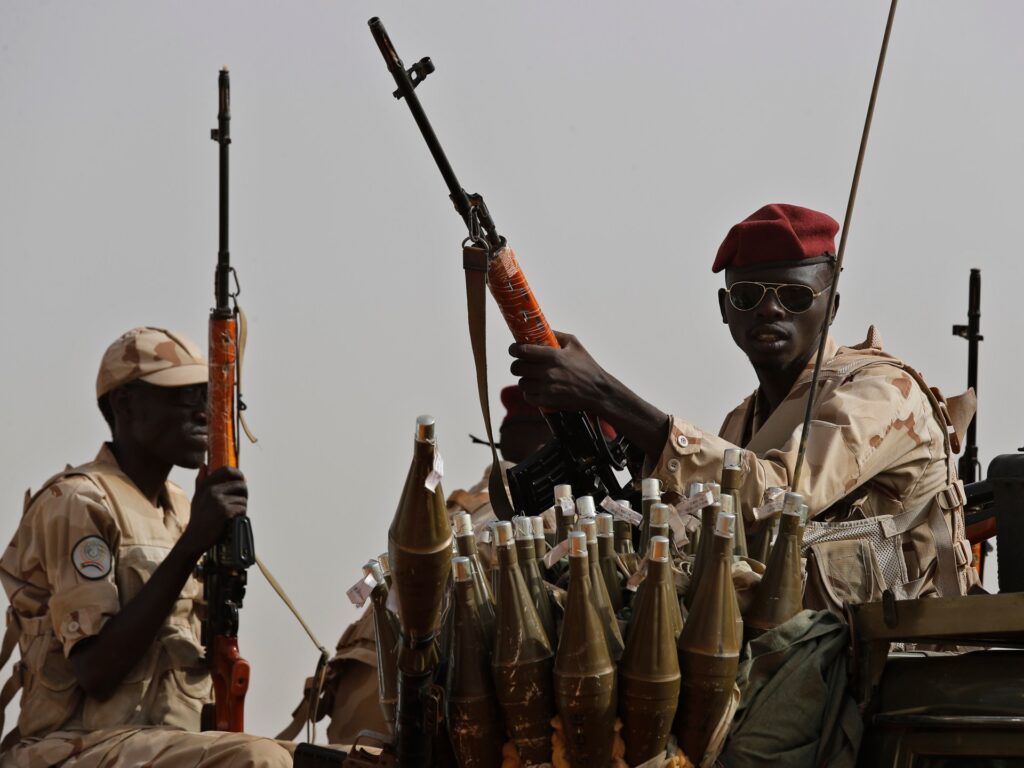
However, the mission faces deep battlefield challenges. Various armed groups control different regions, each with conflicting interests and external backers. This fragmentation complicates ceasefire agreements and the implementation of peace measures. Additionally, the landscape of alliances is fluid, with shifting loyalties that undermine trust and cooperation.
Diplomatic efforts by the AU are also hindered by divergent priorities among member states and powerful international stakeholders. Some countries are pushing for aggressive intervention, while others advocate for more cautious, mediation-focused approaches. These differences have slowed decision-making within the AU and reduced the effectiveness of its coordination with other organizations such as the United Nations and the Arab League.
Furthermore, the AU’s peacekeeping mission suffers from logistical constraints, limited funding, and insufficient troop commitments, which impair its ability to operate effectively on the ground. The organization’s reliance on member state contributions means that its operational capacity is often uneven, leaving critical gaps in deployment and security.
Despite these obstacles, the AU has made some progress in fostering dialogue and has helped broker temporary ceasefires. It continues to work towards a comprehensive political solution that includes all significant stakeholders in Sudan. The AU also collaborates with regional powers and international partners to strengthen humanitarian aid and support reconstruction efforts.
The success of the AU’s mission in Sudan ultimately depends on overcoming the current battlefield divisions and reconciling the diverse diplomatic stances among member states. Strong leadership, enhanced coordination, and increased resources are vital to advancing a peaceful resolution.
In conclusion, while the African Union’s Sudan mission faces daunting challenges, it remains a pivotal actor in the quest for peace in the region. Balancing complex military realities and diplomatic divides will determine whether the AU can fulfill its mandate and make its mission count in Sudan.