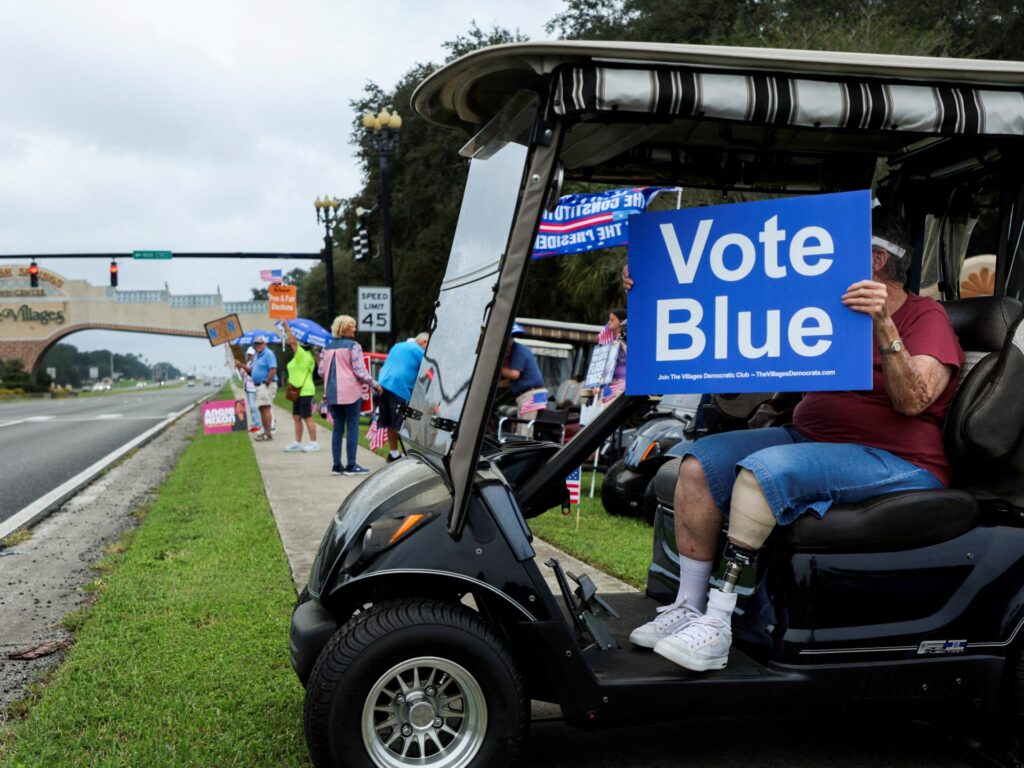
The United States midterm elections are crucial for shaping the political landscape, especially in relation to former President Donald Trump’s influence and the power dynamics in Congress. The midterms determine which party will control the House of Representatives and the Senate for the next two years, directly affecting Trump’s ability to push his agenda or face obstacles in legislation.
For Trump, the stakes are particularly high. A Republican majority in Congress could facilitate his policy goals, protect him from investigations, and bolster his influence within the party. Conversely, a Democratic-controlled Congress could impede his initiatives and increase scrutiny over his actions even after his presidency.
Republicans view the midterms as an opportunity to regain or maintain control of Congress, thereby shaping the nation’s direction on key issues such as immigration, healthcare, and economic policy. Control of Congress also influences appointments to federal courts and oversight of the executive branch.
Democrats, meanwhile, aim to reduce Republican power, preserve President Biden’s agenda, and potentially advance their own legislative priorities. They argue that maintaining control is essential for protecting voting rights, addressing climate change, and supporting social programs.
The midterms also have broader implications for American democracy. They affect how responsive the government is to the public and whether bipartisan cooperation can be achieved on pressing national issues. The outcome may signal public approval or disapproval of Trump’s legacy and current congressional leadership.
In essence, the midterms serve as a referendum on Trump’s tenure and set the tone for legislative action in the country’s final two years under his shadow. The competition between Republicans and Democrats is more than just a battle for seats—it’s a decisive moment that will influence America’s political, social, and economic trajectory for years to come.