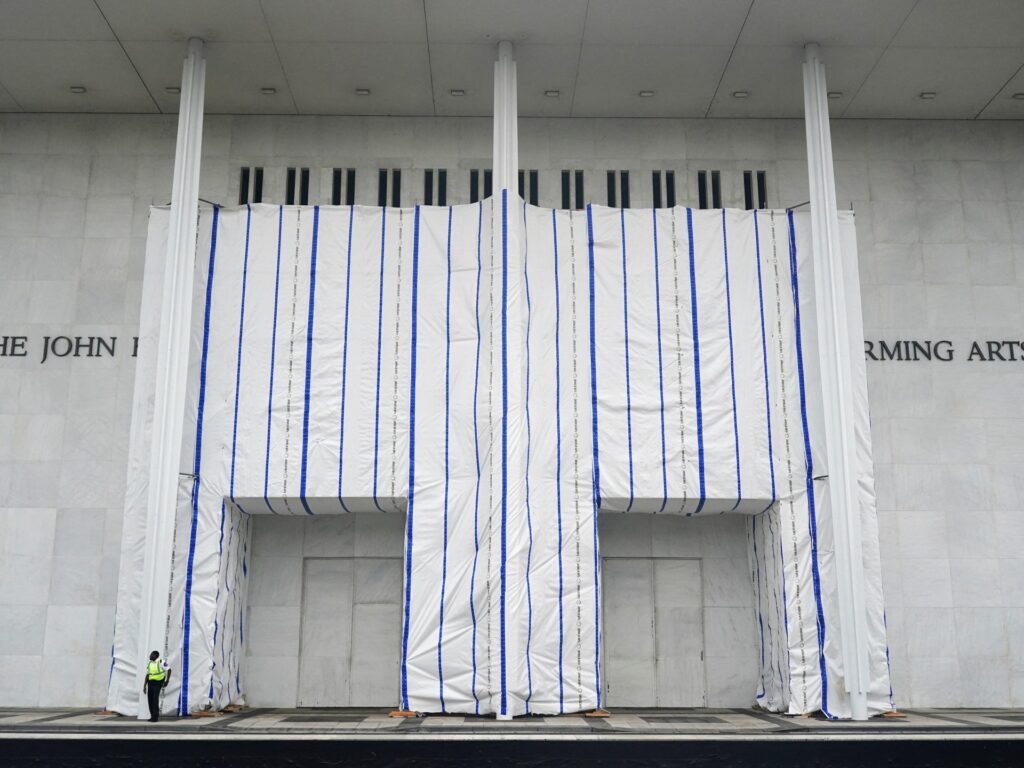
In a controversial and significant decision, the Kennedy Center’s trustees have voted to restore former President Donald Trump’s name to a prominent venue within the center. This move comes amid plans to close the venue for two years to undertake extensive renovations.
The decision has stirred considerable debate among supporters and critics alike, touching on the complex legacy of Trump’s presidency and its impact on public institutions. The Kennedy Center, a hallmark of American culture and the arts, has long been a space for celebration of diverse voices and artistic expressions.
Trustees emphasized that the restoration of Trump’s name is a gesture acknowledging his administration’s role in the center’s history, particularly during its earlier stages. Trump’s name was previously removed from the venue as part of a broader movement to reconsider his influence and legacy due to political controversies.
Alongside the naming decision, the trustees announced plans to close the venue for a lengthy period of renovations. The closure is expected to last two years, during which significant updates and modernizations will be made to improve the infrastructure, accessibility, and overall visitor experience.
The renovation project aims to preserve the historic character of the Kennedy Center while upgrading its facilities to meet contemporary standards. This includes enhanced safety features, technological upgrades, and expanded spaces for performances and community engagement.
Critics of the naming decision have expressed disappointment and concern, suggesting that reinstating Trump’s name might overshadow the Kennedy Center’s mission as a neutral cultural institution. They fear it could alienate patrons and artists who do not support Trump’s political views.
Supporters, however, argue that restoring the name is a matter of historical accuracy and respect for contributions made during Trump’s tenure. They believe the move balances recognition of history with the center’s evolving role in the arts.
The trustees have called for respectful dialogue and encouraged the public to focus on the broader visionary goals of the Kennedy Center’s future. They reassured stakeholders that the renovation project will enhance the venue’s capacity to host a wide variety of events and artistic endeavors.
During the two-year closure, the Kennedy Center plans to hold alternative programming and performances at other locations to continue serving the community and maintaining its cultural offerings.
This development marks a pivotal moment in the Kennedy Center’s history, reflecting broader national conversations about the intersection of politics, culture, and historical memory. As the renovation progresses, all eyes will be on how the center navigates these dynamics while preparing for a renewed chapter in its storied legacy.