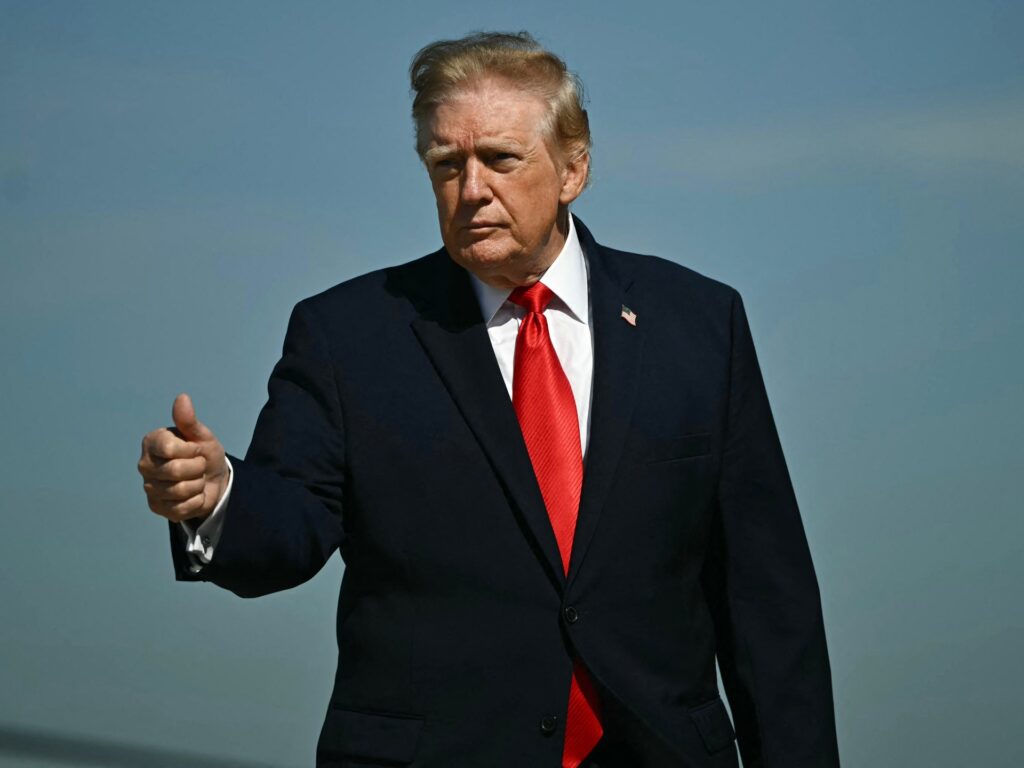
In a recent statement, former US President Donald Trump claimed that the Houthi movement, based in Yemen, is attempting to deliberately increase global oil prices ahead of the upcoming US elections in November. Trump suggested that the timing of these actions is strategic, aiming to influence the political landscape by driving up energy costs in the United States. This accusation comes amid ongoing tensions in the Middle East, where the Houthis have been engaged in conflicts that have disrupted oil supply routes.
Trump’s comments highlight the importance of oil prices as a crucial factor in the American economy and election dynamics. Historically, higher oil prices tend to impact consumer costs and can have political repercussions for incumbents. The US president’s assertion suggests that the Houthis could be leveraging their strategic position to affect global markets and exert pressure on US policymakers during this sensitive period.
The Houthis are a Yemeni Shiite rebel group who have been fighting the internationally recognized government in Yemen since 2014. Their control over significant parts of Yemen, including key ports and oil infrastructure, has allowed them to influence regional oil logistics. Past conflicts involving the Houthis have caused disruptions in oil shipments from the Arabian Peninsula, affecting global oil supplies and prices.
Market analysts are keeping a close eye on developments in Yemen, noting that any extended conflict or strategic disruption could have a ripple effect on oil prices worldwide. The energy market is highly sensitive to geopolitical tensions, especially in the Middle East, which is a critical region for global oil production and export.
Trump’s assertion also reflects broader concerns within US political discourse about foreign interference and geopolitical maneuvering influencing domestic economic conditions. The upcoming elections in November are seen as a pivotal moment in US politics, and the control of economic variables like energy costs is central to electoral success.
While Trump has not provided concrete evidence to support his claim about the Houthis’ intentions, his remarks have sparked discussions among policymakers and the media. Some experts emphasize the complexity of oil markets, which are influenced by a combination of supply-demand factors, OPEC decisions, and global economic conditions, making it difficult for any single group to control prices entirely.
Nonetheless, the humanitarian crisis in Yemen continues to be a backdrop to these discussions, with ongoing conflicts causing significant suffering for civilians and further complicating the geopolitical landscape. The international community has called for peaceful resolutions to the conflict, but ground realities remain challenging.
In conclusion, the claim by former President Trump that the Houthis are aiming to raise oil prices before the US elections adds another layer to the intricate relations between Middle Eastern conflicts and global energy markets. As the November vote approaches, attention will likely remain on how geopolitical tensions might influence the economic environment in the United States and beyond.