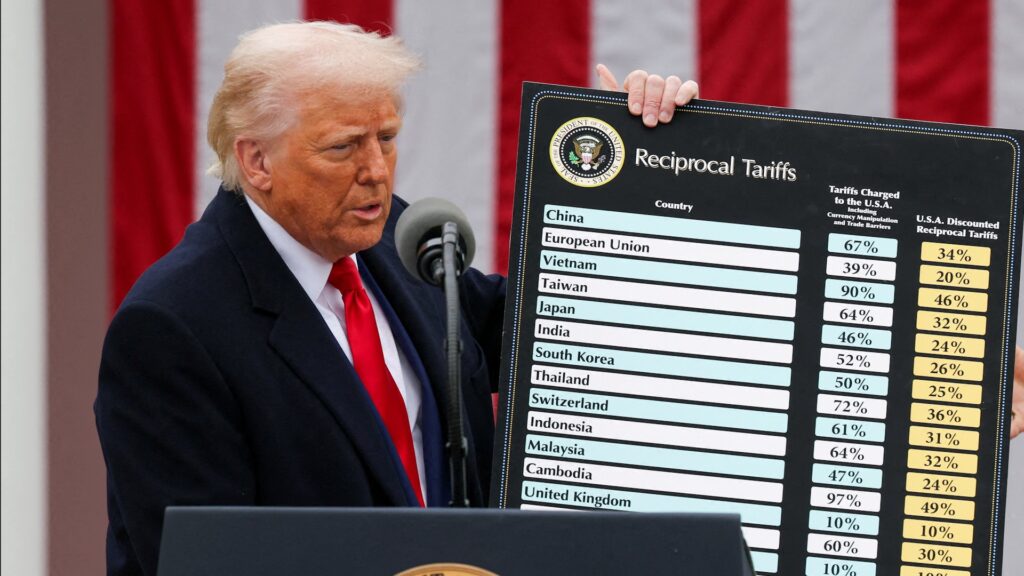
In the ongoing debate about economic policy in the United States, tariffs have taken center stage, especially under Donald Trump’s administration. During his presidency, tariffs were wielded as a primary instrument to protect and bolster domestic production. However, experts are increasingly questioning the effectiveness and long-term consequences of such measures.
Tariffs, in essence, are taxes imposed on imported goods with the aim of making foreign products more expensive and thereby encouraging consumers to buy domestically produced alternatives. On the surface, this seems like a straightforward method to safeguard local jobs and industries. Yet, the reality is far more complex.
One major concern is that tariffs can lead to higher costs for American manufacturers. Many U.S. companies rely on imported raw materials and intermediate goods. When these inputs become more expensive due to tariffs, it increases production costs, which can reduce competitiveness both nationally and globally. This sometimes forces companies to raise prices, possibly leading to decreased sales and job cuts.
Moreover, tariffs risk triggering retaliatory measures from other countries. When the U.S. imposes tariffs, affected countries often respond with their own tariffs on American exports. This tit-for-tat can escalate into trade wars, harming the very industries the tariffs aimed to protect. It disrupts global supply chains and introduces uncertainty into international business relations.
Economists also argue that tariffs can hurt consumers by limiting choices and increasing prices for everyday products. This reduction in consumer purchasing power can slow economic growth and lead to inflationary pressures.
Critics point out that tariffs do not address the underlying reasons for the decline in certain manufacturing sectors, such as automation, technological change, and shifts in comparative advantage. Instead of tariffs, they advocate for policies that focus on innovation, education, infrastructure investment, and workforce development to create sustainable economic growth.
In summary, while tariffs may offer short-term relief to specific industries, the broader economic impact tends to be negative. They can increase costs, provoke retaliation, limit consumer choice, and ultimately fail to revive U.S. manufacturing in a meaningful and lasting way. Experts suggest that focusing on long-term structural reforms rather than protectionist trade policies is a more effective path to economic resilience and growth.