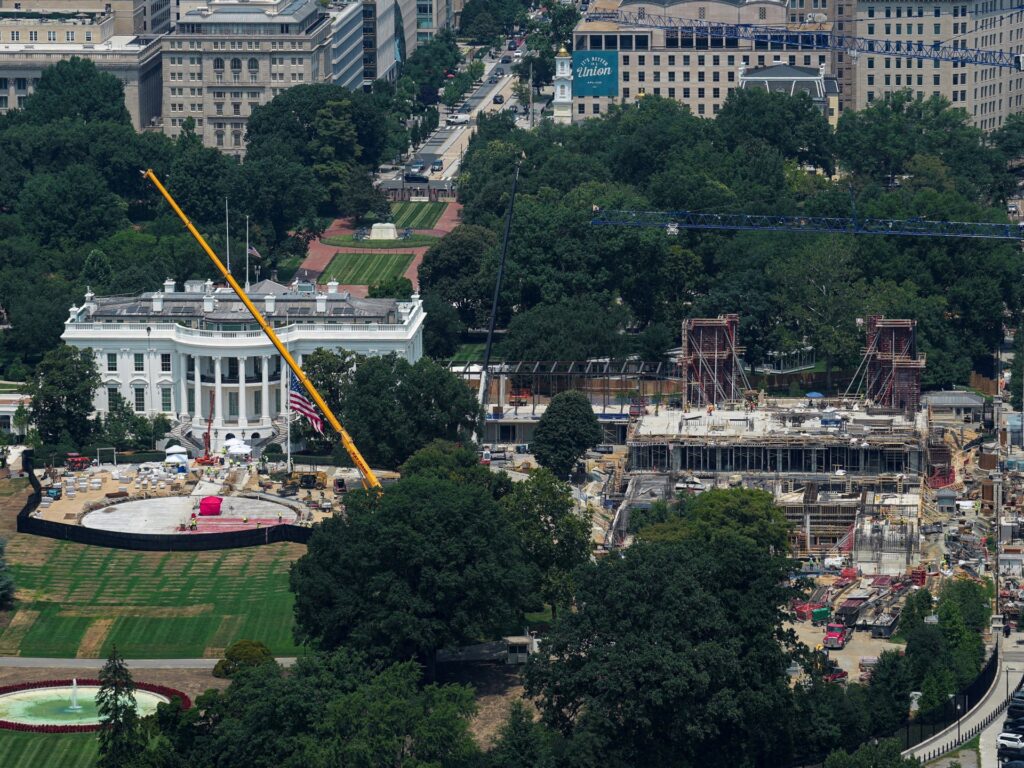
The White House has issued a defense amid reports that it plans to spend close to $1 billion on significant and controversial construction projects. This expenditure highlights a major investment in the infrastructure and maintenance of one of the most iconic buildings in the United States. The scope of the construction involves a variety of upgrades and renovations designed to preserve the historical integrity of the residence while modernizing facilities and improving security measures.
Officials have stressed the importance of the project, citing the aging infrastructure of the White House complex that requires immediate attention to ensure safety and functionality. The high cost is attributed to the complexities involved in working within a landmark that balances historical preservation with contemporary needs.
Critics have voiced concerns over the sizable budget, questioning whether such an investment is justified when there are numerous other pressing economic priorities nationwide. Some detractors argue that the funds could be better allocated to social services, education, or infrastructure improvements in other sectors.
Supporters of the project, however, emphasize the White House’s symbolic and operational significance, asserting that an investment in its upkeep is an investment in the nation’s heritage and governance. The planned construction includes advanced security features designed to protect staff and residents in an increasingly complex security landscape.
The project is expected to unfold in phases over several years, minimizing disruption to the functioning of the White House and its operations. Detailed plans include refurbishing the residence’s electrical and plumbing systems, enhancing climate control, and restoring historical elements that have deteriorated over time.
In addition to physical renovations, the project encompasses technological upgrades aimed at keeping the White House at the forefront of communications and security technology.
The administration has pledged transparency throughout the process, with regular updates to the public and Congressional oversight to ensure accountability and responsible use of public funds.
This ambitious construction initiative represents one of the largest undertakings in the White House’s recent history. It reflects ongoing efforts to balance preservation with modernization, ensuring the structure remains functional, secure, and representative of American history for decades to come.
As discussions continue, the White House remains committed to explaining the necessity and benefits of the project, aiming to resolve public concerns and advance the renovation agenda effectively.