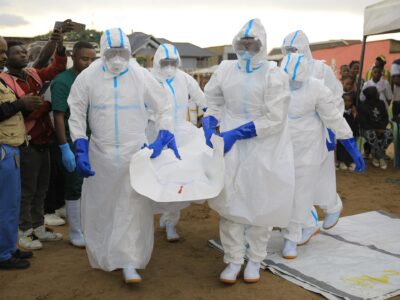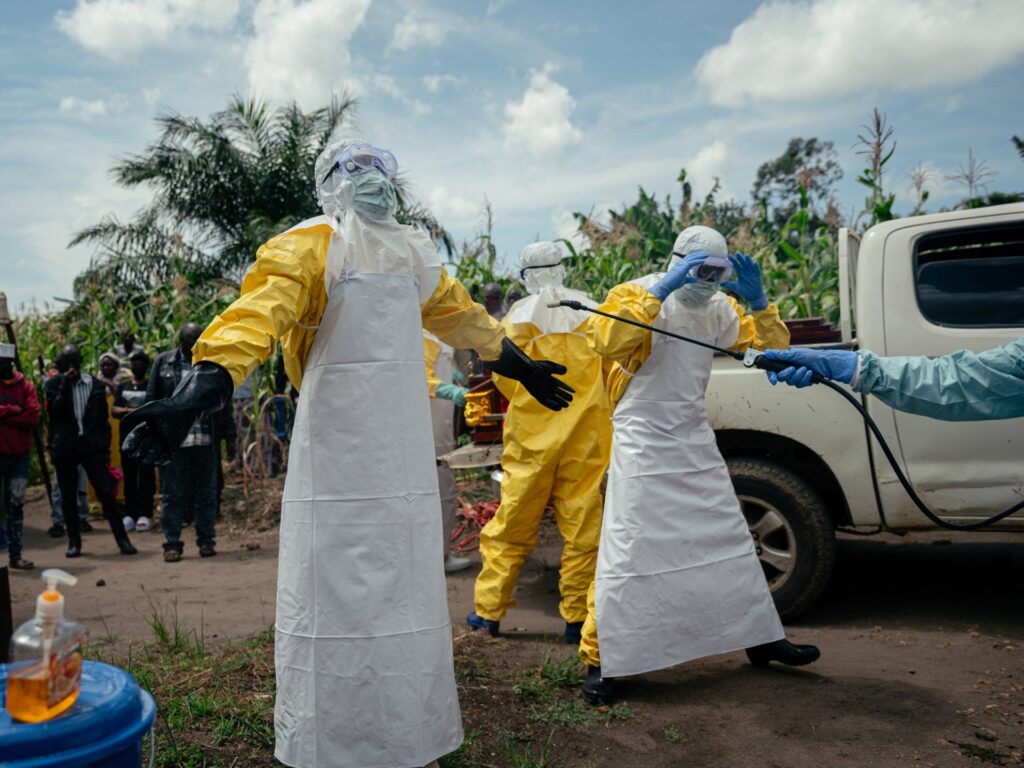
The ongoing Ebola outbreak in the Democratic Republic of Congo (DR Congo) has been declared by the World Health Organization (WHO) as potentially the deadliest on record. WHO officials warn that if the outbreak continues at its current pace, it could surpass the West Africa Ebola epidemic of 2014 to 2016, which claimed over 11,000 lives.
The outbreak in DR Congo began in 2022 and has since escalated rapidly, with confirmed cases and deaths multiplying in affected regions. Despite efforts by health authorities and international organizations to contain the virus, the situation remains critical due to challenges including limited healthcare infrastructure, insecurity in some areas, and the highly contagious nature of the Ebola virus.
The WHO Director-General stated that the outbreak has thus far resulted in a tremendous loss of life, undermining local health systems and affecting communities already struggling with economic and social hardships. Unless urgent measures are taken to curb transmission, the death toll is expected to climb further.
International response efforts include deploying medical teams, providing vaccines, and supporting local health workers in treatment and containment strategies. However, obstacles such as accessibility to remote areas, community mistrust, and ongoing conflicts have hindered progress.
The WHO emphasizes the importance of increased funding and coordinated global action to prevent the outbreak from escalating into a more widespread humanitarian crisis. The international community is urged to prioritize resources for emergency response, research, and long-term health system strengthening in DR Congo.
Past efforts to control Ebola outbreaks have shown that early detection, community engagement, and rapid medical intervention are key to limiting virus spread. Experts hope that with intensified focus and collaboration, the DR Congo outbreak can be brought under control before it eclipses previous epidemic records.
The WHO continues to monitor the situation closely and provide regular updates, urging vigilance and solidarity among affected countries and international partners. The situation serves as a stark reminder of the ongoing risks posed by infectious diseases and the critical need for sustained preparedness and response capabilities worldwide.