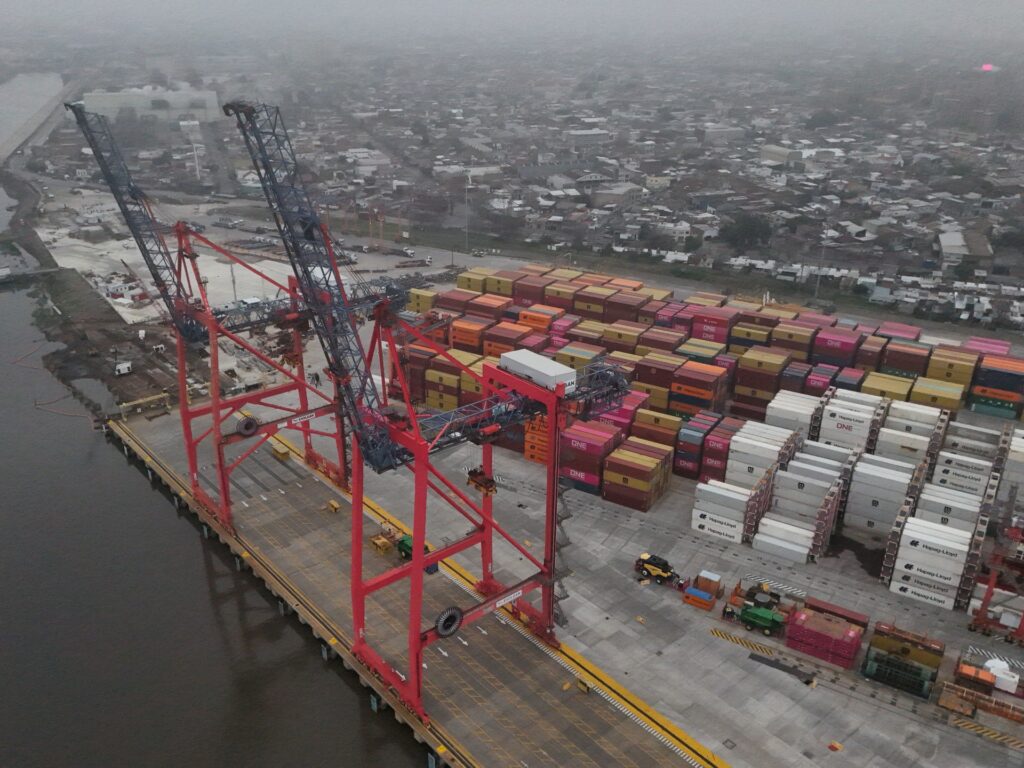
Argentina, a key global grain exporter, is experiencing a significant halt in its grain export operations due to an ongoing strike by maritime pilots at its ports. Over 45 vessels have been impacted by the strike, causing disruptions in the loading and unloading of grain shipments, which is critical given Argentina’s role in the global agricultural market.
The strike was triggered by a recent decree issued by the government of Argentine President Javier Milei. The decree, which has stirred controversy, is the focal point of the maritime pilots’ demands, although the specific grievances linked to the decree have not been fully disclosed. However, the pilots’ union has expressed strong dissatisfaction with the policies implemented, claiming they undermine their working conditions and operational safety.
Maritime pilots are essential for guiding ships safely into and out of ports, especially for large vessels carrying bulk commodities like grains. Their strike has effectively brought maritime operations at key Argentinian ports to a standstill. This disruption has significant ramifications not only for the national economy but also for the international food supply chain, as Argentina is one of the world’s largest exporters of soybeans, corn, and wheat.
Port authorities and government officials are actively seeking to negotiate with the striking pilots to resolve the standoff. The Ministry of Transport has called for dialogue, emphasizing the urgent need to resume port activities to avoid further economic losses. Meanwhile, exporters are facing delays that could jeopardize existing contracts and undermine Argentina’s credibility in global markets.
Analysts note that the strike comes at a sensitive time when global grain supplies are under pressure due to various geopolitical tensions and climatic challenges affecting other major food producers. Argentina’s inability to ship grain could exacerbate price volatility and increase food insecurity risks worldwide.
The government is reportedly reviewing the contentious decree and considering measures to address the pilots’ concerns. However, no immediate resolution has been reached, and the strike continues to disrupt the export flow.
In the short term, shipping companies and grain exporters are exploring alternative routes and logistical solutions, but these measures are limited due to the scale of the strike and Argentina’s geographic position. The situation remains fluid, and stakeholders are closely monitoring developments.
The maritime pilots’ strike underscores the delicate balance between government policy and labor relations in vital export sectors. It also highlights the strategic importance of maritime logistics in global food supply chains. As negotiations proceed, the outcomes will have lasting implications for Argentina’s economy and international grain markets.