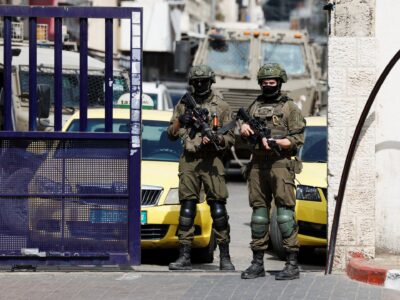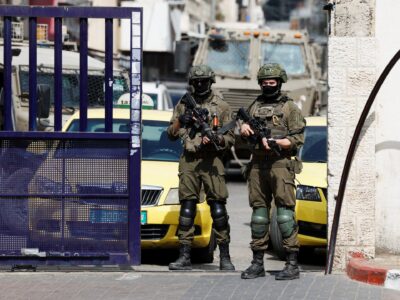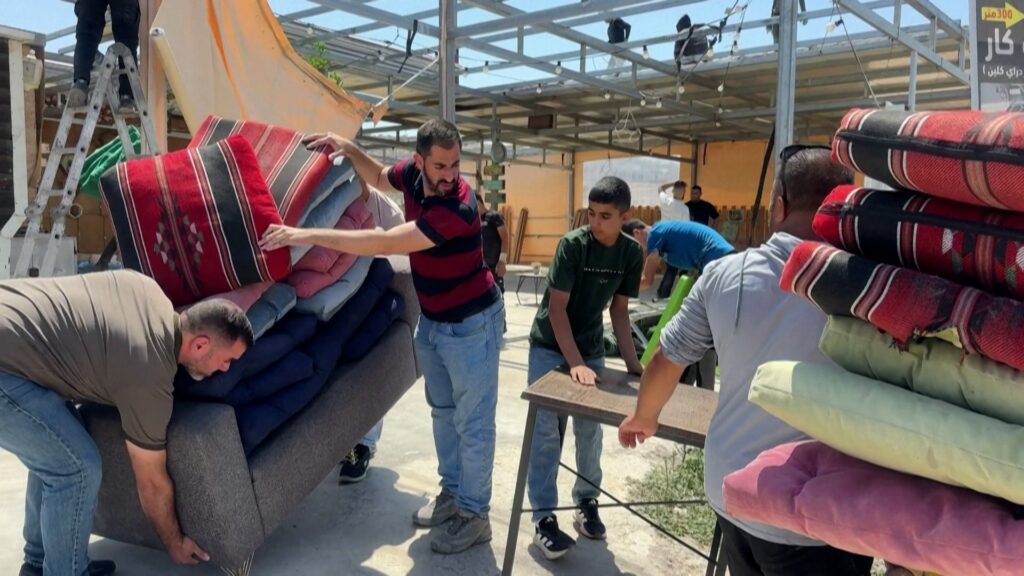
A wave of Israeli demolition orders has prompted numerous shop owners to dismantle their businesses preemptively. These demolition orders, issued by Israeli authorities, have targeted commercial structures in various regions, sparking concern and economic uncertainty among local business communities.
The affected shop owners, facing the threat of losing their properties, have chosen to dismantle their shops rather than wait for enforced demolitions. This strategy aims to salvage valuable equipment and materials, mitigating potential financial losses.
These demolitions are part of a broader Israeli policy that has been criticized by various human rights organizations. Critics argue that the demolition orders disproportionately impact Palestinian business owners and residents, disrupting their livelihoods and contributing to economic instability in the region.
Many shop owners have expressed frustration and despair, citing the repeated demolitions as a major obstacle to economic growth and personal security. Some report that consistent demolition orders have forced them to relocate their businesses multiple times, creating an unstable business environment.
Local authorities and international advocacy groups have called for a reconsideration of these policies, emphasizing the right to economic activity and property. They argue that sustainable solutions should balance security concerns with the need for economic development and community well-being.
The dismantling of shops also affects local consumers, reducing access to services and goods which are vital for daily life. This has broader implications for the local economy, potentially leading to increased unemployment and declining commercial activity.
In response, some shop owners have started organizing collective actions to challenge the demolition orders and seek alternative solutions. These efforts include legal appeals, community mobilizations, and appeals to international bodies for intervention and support.
The situation remains tense, with ongoing negotiations and efforts to find a resolution that protects both safety concerns and the economic rights of the affected populations. Meanwhile, the dismantled shops stand as a stark reminder of the broader conflict and its impact on everyday lives and livelihoods.