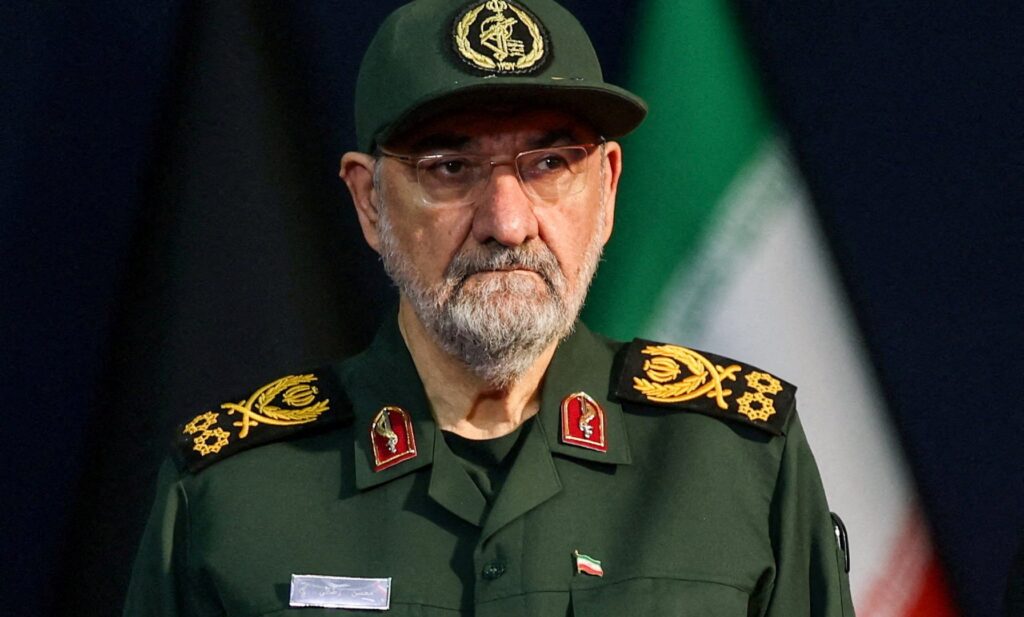
Iran has reportedly sent its conditions to the United States for resuming diplomatic talks and ending ongoing conflict, according to a recent statement by Mohsen Rezaei, secretary of Iran’s Supreme National Security Council. Speaking to Al Jazeera, Rezaei indicated that these conditions were relayed through Qatar, which is acting as an intermediary in the communication process between Tehran and Washington.
The Iranian official emphasized that Tehran is currently awaiting a response from Donald Trump, suggesting that the ball is in the US administration’s court to decide on the future steps. While Rezaei did not disclose the specific details of the conditions, the move signals Iran’s willingness to engage diplomatically despite the heightened tensions and strained relations with the US.
This development marks a significant moment in the strained relationship between the two countries, which have been locked in conflicts over nuclear programs, sanctions, and regional influence. The use of Qatar as a channel points to the complexities involved in direct communications between Tehran and Washington, as diplomatic ties have been severed for years.
Qatar’s role as a mediator is consistent with its history of facilitating dialogue between conflicting parties in the Middle East. The Gulf state’s diplomatic efforts may pave the way for renewed negotiations that could potentially de-escalate hostilities in the region.
Mohsen Rezaei’s announcement reflects a cautious optimism from Iran’s side, signaling that while conditions have been presented, the outcome depends heavily on the US government’s willingness to respond positively. The timing of this communication also raises questions about the strategic calculations behind Iran’s move, possibly aimed at gaining leverage or easing sanctions pressure.
Observers note that the success of any renewed talks will likely hinge on whether both parties can find common ground on critical issues such as nuclear compliance, economic sanctions, and regional security arrangements.
The international community has been closely monitoring the situation, recognizing that a thaw in US-Iran relations could have profound implications for Middle Eastern stability and global geopolitical dynamics.
As Tehran awaits Washington’s reaction, the situation remains fluid. Analysts suggest that forthcoming responses and subsequent diplomatic engagement steps will be pivotal in determining whether this development leads to tangible progress or further stalemate.
This communication via Qatar underscores the ongoing complexities in Iran-US relations, reflecting a combination of caution, strategic diplomacy, and the potential for breakthroughs in a long-standing conflict.
The world watches closely as Iran and the US stand at a potential crossroads, where dialogue might replace confrontation, and peace efforts could gain new momentum.